


Umetniška dela, prikazana na tej strani, so zaščitena z avtorskimi pravicami, kar pomeni, da po zakonu ne moremo ustvarjati ali prodajati identičnih reprodukcij. Ta zaščita se izvaja v skladu z mednarodnimi sporazumi, kot so Bernska konvencija in po nacionalnih zakonih, vključno s tistimi, ki jih določa Zakon o avtorskih pravicah ZDA – naslov 17.
Ta način v celoti upošteva zakonodajo o avtorskih pravicah, saj ne vključuje kopiranja ali podvajanja zaščitenga umetniškega dela. Namesto tega gre za kreativno preinterpretacijo – novo sliko, ki je navdihnjen rezultat originala, vendar ni z njim identična.
Giclée ali platnati odtis muzejske kakovosti z hitro proizvodnjo in prilagodljivimi možnostmi končne obdelave. ( Kupite ročno slikano delo Preklop na digitalno sliko)
Izberite eno od naših vnaprej določenih velikosti, ki ustrezajo prvotnim proporcijam umetničkega dela.

Vnesite širino in višino, ki jih potrebujete za svoj okvir ali steno. Tiskanje se lahko le odreže, vendar ga ni mogoče narediti večjega od slike, zato format z drugačno obliko pomeni izgubo dela slike. Pred tiskanjem vam pošljemo digitalni predogled za potrditev. Slika, prikazana na tej strani, ne prikazuje dejanskega izrezka — le predogled to omogoča.
Globalna dostava () v 2 tednih namesto standardnih 4/5 tednov. (15 november)
Packaging Post for the War
Velikost reprodukcije

Born Hermann Wilhelm Brandt in Hamburg, Germany, the man who would become known to the world as Bill Brandt possessed a lens capable of capturing the profound complexities of the human condition and the stark beauty of the natural world. His journey was one of movement and transformation, shaped by the turbulent winds of early twentieth-century Europe. After spending much of his youth in a sanatorium in Switzerland, Brandt found himself drawn to the artistic pulse of Paris in the late 1920s. It was here, within the legendary studio of Man Ray, that he encountered the surrealist movement—a profound influence that would later manifest in his celebrated, distorted studies of the human form.
Moving to London in 1933, Brandt began a period of intense social documentation. Inspired by the socio-political writings of figures like George Orwell, he turned his camera toward the deep contrasts of the British class system. He traversed the landscapes of the United Kingdom, from the bustling West End and the sprawling suburbs to the gritty, industrial slums. His work for influential magazines such as Lilliput and Picture Post allowed him to capture the raw emotion of the era, documenting everything from the heavy atmosphere of the 1930s depression to the ghostly, blackout-shrouded streets of London during the Second World War.
As his career progressed, Brandt’s focus shifted from the social realism of the streets to more experimental and evocative territories. He became a master of the monochrome landscape, finding a haunting rhythm in the textures of the earth. His photographic studies of places like the Isle of Skye, the Giant's Causeway in Ireland, and the rugged terrain of Connemara showcase an incredible ability to use light and shadow to evoke isolation and timelessness. In these works, the landscape is not merely a setting but a character, imbued with a sense of drama and scale.
Beyond his landscapes and photojournalism, Brandt achieved significant renown for his later explorations of the human figure. His series Perspective of Nudes remains a cornerstone of twentieth-century photography, utilizing unique techniques—such as working with a pinhole aperture set to infinity—to create images that challenge perception and celebrate the sculptural qualities of the body. Through this diverse body of work, Brandt established himself as one of the most important photographers of his century, leaving behind a legacy defined by:

1904 - 1983 , Germany

Explore the profound drama of warfare through fine art. From heroic battle scenes to intimate portraits of valor, discover museum-quality oil reproductions and bespoke commissions curated for the discerning collector by WahooArt.

Explore how military art evolved from imperial propaganda to raw realism. Discover the profound human truth behind every brushstroke.

Explore how masters like Vereshchagin and Bellows captured the visceral truth of war. Discover the profound power of visual history today.
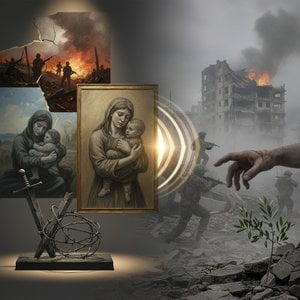
Explore a profound collection of historical war art. From visceral realism to poignant depictions of human resilience, discover museum-quality oil reproductions and expert insights for the discerning collector seeking to preserve history's most powerful echoes.

Explore the visceral visual language of battle art through masters like Rosa and Matejko. Discover the profound truth behind conflict on canvas.
 Predogled v realnem okolju
 Pošlji
 Deli
Deli
 Podrobnosti o delu
 Priročnik

 Prenesi sliko
 Podobni izdelki
 Rentgenski posnetek
 Predvajaj diaporama
 Vprašanja in odgovori
 Statistika
 Preberi več






































 Možnost stekla je na voljo le za velikosti pod 110 cm


