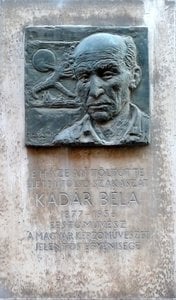
Madinski glas avantgarde: Življenje in umetnost Béle Kádárja
Rodjen v delavski judovski družini v Budimpešti leta 1877, je bila pot Béle Kádárja do vstopne vloge v avantgardno umetnost začetka 20. stoletja utrta skozi težke življenjske izkušnje in neomajno predanost umetniškemu raziskovanje. Njegova formalna izobrazba je bila omejena le na šest let, vendar se zdi, da ga je ta pomanjkljivost tradicionalnega šolanja osvobodila konvencionalnih omejitev, kar mu je omogočilo razvoj edinstvenega, osebnega vizualnega jezika. Kádár ni začel svoje profesionalne poti s čopičem v roki, temveč kot učenci železar – poklic, ki je globoko vplivnal na njegovo umetniško občutljivost in v njega vdel globoko razumevanje forme, strukture ter izvorne lepote, ki jo najdemo v industrijskih materialih. Kljub temu so že v teh zgodnjih letih izžareval svoj ustvarjalni duh; sprva se je osredotočal na slikanje fresk po Budimpešti, s čemer je pokazal prirojno nagnjenost k velikostnim vizualnim izrazom in pripovedovanju zgodb. To temeljno obdobje je postavilo temelje za drzne in dinamične kompozicije, ki bodo kasneje zaznamale njegovo celotno delo.
Pariz, Berlin in sinteza slogov
Pravi katalizator Kádárjevega umetniškega razvoja je prišel z njegovimi potovanji v Pariz in Berlin leta 1910. Ta potovanja so ga izpostavila vzrastajočim avantgardnim gibanjem, ki so preplajala Zahodno Evropo, kar je nepopravljivo spremenilo njegovo umetniško usmeritev. Srečal je se z radikalnimi idejami skupine Der Blaue Reiter, razdrobljenimi oblikami kubizma, dinamiko futurizma in suro energijo neo-primitivizma – vplive, ki jih ni preprosto sprejel v celoti, temveč jih je v svojo edinstveno vizualno leksikon sinteziral. Kádár ni želel pripadati nobeni posamezni "šoli" razmišljanja; namesto tega se je odločil za nenehno raziskovanje forme, barve in kompozicije, pogojen z nezasrpnim željo po osvoboditvi iz oklepa tradicionalne reprezentativne umetnosti. Vpojil je elemente konstruktivizma in celo sanljive lastnosti metafizične slikarstva, ter jih vpletil v kompleksno tapiserijo, ki je odražala njegovo edinstveno perspektivo. To obdobje je predstavljalo ključno prelomnico, ki ga je spremenila iz obetavnega muralista v resnično inovativnega umetnika na pragu mednarodnega priznanja.
Prepoznavnost in mednarodno izpostavljenost
Njegov prelomni trenutek se je zgodil v oktobru 1923 z izstavo v prestižni galeriji Galerie der Sturm Herwartha Waldena v Berlinu. Ta razstava je njegovo delo predstavila v izrazito ekspresionističnem slogu, kar je takoj pritegnilo pozornost in ga uveljavilo kot močno figuro na evropski umetniščni sceni. Galerija, znana po zagovarjanju radikalnih novih umetniških glasov, je Kádárju ponudila idealno platformo za povezovanje s zbiratelji in kolegi umetniki, ki so delili njegovo predanost eksperimentiranju. Njegov mednarodni ugled so še dodatno utrdile dve izstavi, ki ju je v New Yorku organizirala Katherine Dreier v Brooklyn Museum of Art leta 1926 in 1928. Posebno je pomembno, da se je Kádár udeležil druge izstave, s čimer je utrdil svojo prisotnost na ameriški umetniščni sceni in vzpostavil dragocene povezave znotraj vzrastajočega modernističnega gibanja čez Atlantik. Njegove slike v tem obdobju so pogosto prikazovale prizore iz madžarskega folklora, intimne portrete in pogledi na podeželsko življenje – temate, predstavljene z drznimi barvami in dinamičnimi kompozicijami, ki so zajemali tako duh njegove domovine kot energijo moderne dobe.
Dedstvo drzne inovacije
Kádárjev umetniški slog je takoj prepoznaven po svoji živahni in izrazni uporabi barv, pri čemer pogosto uporablja ne-naturalistične odtenke za prenoso čustev in atmosfere. Njegove kompozicije odlikuje občutek gibanja in energije, ki ga dosežemo skozi igra linij, oblik in form, ki se zdijo, kot bi vibrirale na platnu. Pogosto je uporabljal tehniko impasta – nanašanje debelih slojev barve – s čimer je ustvarjal teksturne površine, ki povečujejo vizualni učinek njegovega dela in vabijo k taktilnemu raziskovanju. Toda morda je tisto, kar Kádárja res loči od drugih, njegova izjemna sposobnost sinteze teh raznolikih umetniških vplivov v koheziven in originalen slog. On predstavlja ključno povezavo med madžarsko avantgardo in širšimi evropskimi gibanji svojega časa, saj v svojo umetnost vključuje odraz socialnih in političnih prevrag v začetku 20. stoletja. Čeprav v času svojega življenja ni bil vedno tako široko slavljen kot nekateri njegovi sodobniki, je Kádárjevo del v zadnjih desetletjih doživelo vzpon, saj raziskovalci vse bolj priznajo njegov pomemben prispevek k moderni umetnosti. Umrl je v Budimpešti leta 1956 in za seboj pustil dediščino drznih in inovativnih slik, ki še danes navdihujejo umetnike in očarajo občredstvo – spomen moči umetnika, ki se je upal izoblikovati svojo lastno pot.
Ključne značilnosti Kádárjevega dela
- Drzna barvna paleta: Kádár je bil znan po svoji živahni in izrazni uporabi barv, pogosto z uporabo ne-naturalističnih odtenkov za vzbuditev čustev in atmosfere.
- Dinamična kompozicija: Njegove kompozicije odlikuje občutek gibanja in energije, ki ga dosežemo skozi interakcijo linij, oblik in form.
- Tehnika impasta: Pogosto je uporabljal debele sloje barve (impasto) za ustvarjanje teksturnih površin in povečanje vizualnega učinka dela.
- Edinstvena sinteza: Kádárjeva sposobnost sinteze raznolikih umetniških vplivov v koheziven in originalen slog ga loči kot pomembno figuro v umetnosti začetka 20. stoletja.
- Teme in predmeti: Njegove slike pogosto prikazujejo prizore iz folklora, podeželskega življenja in intimne portrete, predstavljene z drznimi barvami in dinamičnimi kompozicijami. Raziskoval je tudi abstraktne teme in eksperimentiral z razdrobljenimi oblikami.



 Preverite v realnem okolju
 Preklop na tiskanine
 Pošlji kot čestitko
 Deli
Deli
 Podrobnosti
 Priročnik

 Prenesi
 Podobni artefakti
 Rentgenski posnetek
 Predvajaj diaporama
 Statistika
 Preberi več