Biografija umetnika
Andrew Warhol: Od Pittsburgha do Pop Art revolucije
Andrew Warhola Jr., bolj znan kot Andy Warhol, je bil ameriški umetnik, filmski ustvarjalec in pisatelj, ki se je rodil leta 1928 v industrijskem središču Pittsburgha. Njegova zgodnja izkušnja z boleznijo St. Vitusove plesa, ki ga je dolgotrajno zadrževala doma, je bila paradoksalna – omejitev, ki mu je omogočila poglobitve v svet domišljije in ustvarjalnosti. Njegova mati, prizanesljiva in spodbujajoča, mu je nudila barvice in revice z risbami ter filmi, s katerimi je kasneje oblikoval temelj svojega prepoznavnega sloga. Po študiju na Carnegie Institute of Technology, kjer je diplomiral iz grafičnega oblikovanja, se je preselil v New York, da bi si ustvaril kariero komercialnega ilustratorja. Ta prvotna potovanje v svet oglaševanja in revij je bilo ključno – utrdilo je njegove veščine vizualne komunikacije in mu dalo globoko razumevanje množične proizvodnje, elementov, ki so se kasneje izkazali za osrednje načela njegove umetniške filozofije. Njegove značilne linijske risbe hitro pritegnile pozornost, kar mu je odprlo vrata do uspešne kariere v modnih revijah in ustvarilo edinstveno estetsko občutljivost.
Rođenje Pop Arta in Fabrika
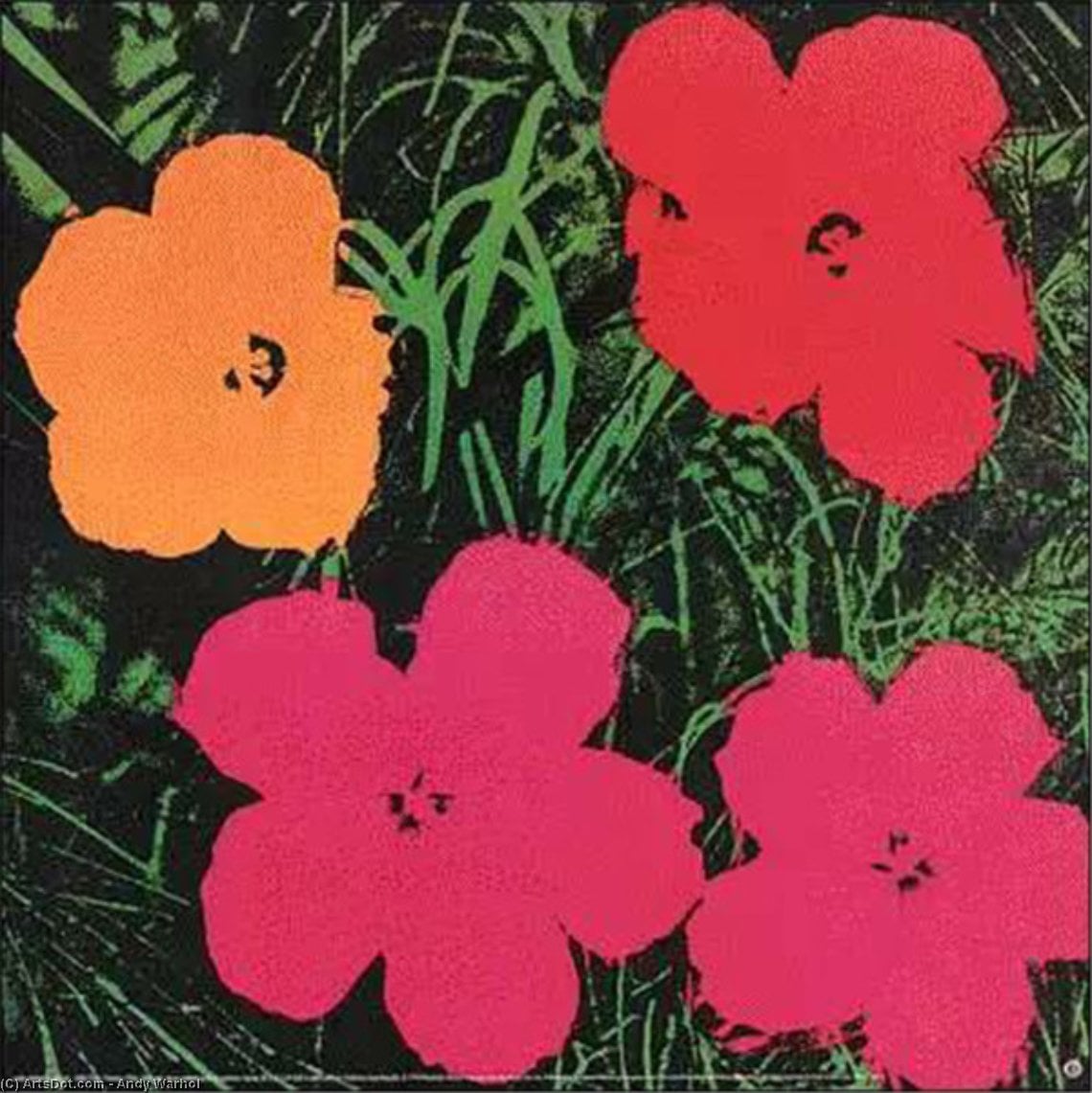
Še pred koncem šestdesetih let se je Warhol začel dvigati iz sveta komercialne umetnosti in postal ključna figura v nastajanju gibanja pop arta. To je bil revolucionaren trenutek v zgodovini umetnosti, saj je izzval tradicionalne poglede na to, kaj šteje za "visoko" umetnost, z odprtim objemom popularne kulture – oglaševalskih sporočil, stripov in množično proizvedenih predmetov kot legitimnih tem za umetniško raziskovanje. Warhol ni le prikazoval teh elementov; jih je povisičil, preobražajoč vsakdanje predmete v ikonične simbole ameriškega potrošništva. Njegova prelomna dela iz tega obdobja, kot so Campbell’s Soup Cans (1962) in Marilyn Diptych (1962), niso bila le slike; bile so izjave o vseprisojnem vplivu množičnih medijev in komodifikaciji podobe. Uporaba tehnike sitotiska je bila ključna pri tem procesu, saj je omogočala mehansko reprodukcijo slik – namenoma odseva potrošniško kulturo, ki jo je tako natančno opazoval. Ta metoda ni bila le tehnična izbira; bila je tudi konceptualna, poudarjala je ponavljanje, standardizacijo in zameglitev meje med umetnostjo in proizvodnjo. Središče Warholovega umetniškega vesolja je bila "Fabrika", njegovo delovno mesto v New Yorku. Več kot le prostor za ustvarjanje, Fabrika je postala živahno središče za umetnike, glasbenike, filmske ustvarjalce in družabnice – kraj eksperimentiranja in sodelovanja, ki je odražal Warholovo prepričanje, da mora biti umetnost dostopna in angažirana s svetom okoli nje.
Slava, Katastrofe in Raziskovanje Ameriške Obsesije
Warholova umetniška vizija se je razširila iz potrošniških dobrin na področja slave, smrti in katastrof – teme, ki so globoko odzvenile v spreminjajoči se kulturni pokrajini šestdesetih in sedemdesetih let. Njegovi portreti ikoničnih osebnosti, kot so Marilyn Monroe, Elvis Presley in Elizabeth Taylor, niso bile le laskave predstavitve; raziskovali so slavo, podobo in pogosto krhko naravo slavnega življenja. Ujel je ne samo njihovo podobnost, ampak tudi auro okoli njih – izdelano lepoto in temeljno ranljivost. Hkrati se je soočil s temnejšimi vidiki ameriške družbe z njegovo serijo "Katastrofe", ki prikazuje slike avtomobilskih nesreč, električnih stolov in nemirov. Ta dela so bila moteča in provokativna, prisiljevala gledalce, da se soočijo s neprijetnimi resnicami o nasilju in smrtnosti. Warhol ni ponujal komentarja v tradicionalnem smislu; namesto tega je predstavljal te slike z odmaknjeno objektivnostjo, kar je omogočalo gledalcu, da si oblikuje svoje lastne sklepe. Ta pristop – pogosto zaznamovan z ponavljanjem in krepko barvo – ustvarjal izjemno vizualne učinke, ki so bili hkrati očarljivi in moteči. Poleg slikanja se je Warhol podal v filmsko produkcijo, ustvaril eksperimentalna dela kot Sleep (1963) in Chelsea Girls (1966), s katerimi je še naprej razširjal meje umetniškega izražanja. Sodeloval je tudi z The Velvet Underground, oblikoval njihovo ikonično pokrov albuma "Banana" – priča njegovemu vplivu, ki se je raztezal onkraj sveta fine umetnosti v glasbo in popularno kulturo.
Trajna Zapuščina: Warholov Vpliv na Umetnost in Kulturo
Warholov vpliv na svet umetnosti je neizmeren. Izpodbijal je konvencionalne definicije umetnosti, zameglil meje med visoko in nizko kulturo ter utiral pot novim umetniškim gibanjem, kot sta konceptualizem in performativna umetnost. Njegovo raziskovanje potrošništva, slave in množičnih medijev še danes odzveneva pri občinstvu, saj so te teme ostale osrednje za sodobno družbo. Warhol ni bil le umetnik; bil je kulturni fenomen – vizionar, ki je razumel moč slike in njene sposobnosti oblikovanja percepcije. Odprto je sprejel svojo identiteto kot gejevskega moža v času, ko je bila taka odprtost redka, postal simbol osvoboditve in izzval družbene norme. Njegov vpliv je mogoče videti na neshlačnih področjih, od sodobne umetnosti in mode do glasbe in filma. Večji muzeji po vsem svetu – vključno z Muzejom Andy Warhol v njegovem rodu Pittsburghu – razstavljajo njegova dela, s čimer zagotavljajo, da bo njegova zapuščina še naprej navdihovala in spodbujala generacije umetnikov in gledalcev. Fundamentano je spremenil način, kako razmišljamo o umetnosti, pretvoril jo iz ekskluzivne discipline v nekaj dostopnega, demokratičnega in globoko povezanega s vsakdanjimi izkušnjami sodobnega življenja. Njegova trditev, da bo "vsakdo znan po svetu za 15 minut", ostaja strašno presenetljiva v naši dobi družbenih medijev in hitre slave – priča njegovega trajnega vpogleda v človeško stanje in nenehno spreminjajočo se naravo slave.


 Preverite v realnem okolju
 Preklop na tiskanine
 Pošlji kot čestitko
 Deli
Deli
 Podrobnosti
 Priročnik

 Prenesi
 Podobni artefakti
 Rentgenski posnetek
 Predvajaj diaporama
 Statistika

 Preberi več


