BREZPLAČNO POSVETOVANJE O UMETNOSTI

x
Naročite reprodukcijo Naročite reprodukcijoKupi digitalno sliko Kupi digitalno sliko PošljiPošlji
Podrobnosti o deluPodrobnosti o delu Dodaj v priljubljene Dodaj v priljubljene PrenesiPrenesi Podobni izdelkiPodobni izdelki Rentgenski posnetekRentgenski posnetek Predvajaj diaporamaPredvajaj diaporama

Étagère

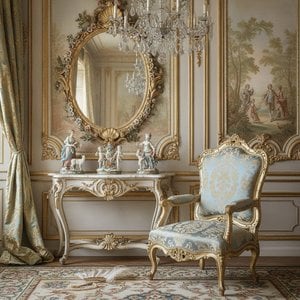
Izjemna francoska konzola Étagère od Alexandre Rouxa iz leta 1850-57, ki prikazuje bogato dekorativno umetnost Rococo Revival sloga. Čudovita izdba z kompleksnimi režami in oglišjem.

Alexandre Roux (1813-1886) was a renowned French cabinetmaker in New York, celebrated for exquisite Rococo Revival furniture. Discover his ornate designs & American Victorian masterpieces. #cabinetmaking #RococoRevival #VictorianFurniture

Giclée tisk / Umetniški tisk

Giclée ali platnati odtis muzejske kakovosti z hitro proizvodnjo in prilagodljivimi možnostmi končne obdelave.

P118B $10
P118H $10
P118W $10
P438Z $10
P508JH $12
P508YH $12
P805H $10
P805Z $10
P919BZ $10
P919G $10
P919XJ $10
P959ZH $10
P968JZ $12
W106C $8
W218G $10
W218JH $8
W218Y $10
W307PJ $10
W316G $10
W316PJ $8
W316Y $10
W398PJ $8
W4111J $10
W500HY $15
W500JH $15
W692G $12
W849H $8
W940BG $15
W953PJ $8

Standard
custom
CM
INCH

Izberite eno od naših vnaprej določenih velikosti, ki ustrezajo prvotnim proporcijam umetničkega dela.

širina
višina

Svoje dimenzije lahko vnesete sami, da bodo ustrezne za določen okvir ali prostor. Če izbrana velikost ne bo skladna z razmerji izvirne slike, bomo umetniško delo orezali ali podaljšali s pomočjo ogledalnega odraza ali barvno polnega roba. Pred začetkom proizvodnje vam bomo poslali digitalni predogled za potrditev.
Upoštevajte, da predogled na zaslonu ne prikazuje dejanskega orezovanja ali podaljševanja. Le digitalni predogled bo natančno prikazal končno kompozicijo.
Čeprav so na voljo prilagojene velikosti, priporočamo izbiro dimenzije s predhodno določenega seznama, da ohranite prvotna razmerja.

Globalna dostava () v 2 tednih namesto standardnih 4/5 tednov. (13 julij)

why_choose_icon
Brezplačna ekspresna dostava po vsem svetu
why_choose_icon
Visokokakovostno laneno platno
why_choose_icon
Popolno zavarovanje pošiljke
why_choose_icon
Garancija povračila carine in uvoznih davkov
why_choose_icon
Garancija popolnega ujemanja barv
why_choose_icon
60-dnevna politika vračanja (le v primeru napak)
why_choose_icon
Garancija 100% povračila denarja
why_choose_icon
Popust pri večjem naročilu

Skupna cena

-

reproduction

Étagère

Giclée tisk / Umetniški tisk

Velikost reprodukcije

-

Skupna končna cena

-

Ključni podatki

  • Notable elements or techniques: Intricate carvings; Glazing techniques
  • Subject or theme: Furniture decoration; Symbol of affluence
  • Artist: alexandre roux
  • Location: The Metropolitan Museum of Art
  • Dimensions: 86 x 79 1/2 x 31 3/4 in.
  • Title: Étagère
  • Influences: French Régence models

Umetniški kviz

Pri vsakem vprašanju je na voljo le eden pravilen odgovor.

Vprašanje 1:
What artistic style is prominently featured in Alexandre Roux’s étagère?
Vprašanje 2:
The étagère at the Metropolitan Museum of Art shares a striking similarity with what other piece of furniture?
Vprašanje 3:
What materials were primarily used in constructing Alexandre Roux’s étagère?
Vprašanje 4:
The photograph depicts the étagère in what type of setting?
Vprašanje 5:
What was a characteristic feature of Rococo Revival style furniture during the mid-nineteenth century?

Opis zbirateljskega predmeta

Étagère: A Reflection of Rococo Elegance

The photograph presents a painting of an ornate antique étagère by Alexandre Roux. It’s displayed in what appears to be a museum setting, evidenced by the lighting and background. The piece is richly detailed with intricate carvings and a decorative mirror. This exquisite example embodies the spirit of the Rococo Revival style—a movement that sought to recapture the grandeur and refinement of eighteenth-century France, specifically the Régence period. Roux’s masterful craftsmanship captures this aesthetic perfectly, transporting viewers back in time to an era defined by opulent interiors and aristocratic taste.
  • Subject Matter: The centerpiece is undeniably the étagère itself—a multi-tiered console table designed for displaying decorative objects. Its form speaks volumes about the values of its time: beauty, status, and meticulous attention to detail were paramount.
  • Style & Medium: Roux’s work adheres to the Rococo Revival style, characterized by curving lines, asymmetrical compositions, and lavish ornamentation. Executed in oil on canvas, it demonstrates a high level of skill in rendering textures and capturing light—essential elements for conveying the desired atmosphere.
  • Composition: The étagère dominates the frame, positioned centrally and taking up most of the visual space. The curved supports guide the eye around the object, emphasizing its height and creating a sense of movement.
  • Color Palette: Dominating hues are deep reds and browns accented by darker shades—colors traditionally associated with nobility and conveying warmth and richness. Subtle glazing techniques contribute to depth and luminosity, enhancing the visual impact.

Historical Context & Influence

Alexandre Roux’s étagère aligns itself with a broader artistic trend following the Napoleonic Wars—a desire to revive classical ideals of beauty and harmony amidst the perceived excesses of the preceding decades. The Musée du Louvre, under Napoleon III, actively championed this style, commissioning numerous artworks that celebrated French heritage and grandeur. Roux's piece exemplifies this commitment to tradition and elevates decorative art to an elevated level of sophistication.
  • Alexander Roux’s Legacy: Roux’s atelier produced furniture pieces that were admired by collectors and influential designers alike. His meticulous attention to detail—particularly in replicating the forms and techniques of the Régence era—established him as a pivotal figure in shaping American Victorian style.
  • Comparison with Musée du Louvre Example: Notably, this étagère is identical to the Alexander Roux étagère at the Metropolitan Museum of Art – a testament to Roux’s unwavering dedication to artistic excellence and his ability to capture the essence of a bygone aesthetic.

Technique & Materials

The artist skillfully employs glazing techniques—applying thin layers of translucent paint over underlying colors—to achieve remarkable depth and luminosity. The use of rosewood, chestnut, poplar, and bird’s-eye maple contributes to the table's visual richness and durability. These materials were chosen not only for their aesthetic qualities but also for their ability to withstand the passage of time—a characteristic that underscores Roux’s enduring artistic vision.
  • Detailed Carving: The intricate carvings on the wood surface demonstrate Roux’s mastery of craftsmanship, reflecting a tradition rooted in centuries of European artistry.
  • Mirror Surface Reflection: The mirror surface enhances the overall effect by capturing and distributing light—creating a dynamic interplay between color and texture that embodies the spirit of Rococo Revival style.

Symbolic Significance & Emotional Impact

Ultimately, Roux’s étagère transcends mere decorative function; it symbolizes aspiration for beauty, refinement, and connection to history—values cherished by those who embraced the Rococo Revival movement. Viewing this piece evokes feelings of elegance, luxury, and nostalgia—reminding us of a time when art served as a conduit for expressing cultural ideals and elevating the human spirit.

Sorodna umetniška dela


Biografija umetnika

Alexandre Roux: The Parisian Cabinetmaker Who Shaped American Style

Born in the heart of Paris in 1813, Alexandre Roux’s journey from a skilled craftsman to a celebrated furniture maker in New York City is a testament to ambition, talent, and an astute understanding of evolving aesthetic tastes. Initially trained within the traditional workshops of his native France, Roux’s career took a pivotal turn when he immigrated to America in 1844, establishing himself as a prominent figure in the burgeoning world of American furniture design. His legacy isn't defined by grand, revolutionary movements but rather by a consistent dedication to exquisite detail and a masterful command of the Rococo Revival style – a style that profoundly influenced the interiors of wealthy homes across the United States during the mid-19th century.

Roux’s early life instilled in him a deep appreciation for craftsmanship. While specific details about his family are scarce, it's clear he was raised within a lineage of artisans, absorbing techniques and an inherent understanding of materials. This foundation proved invaluable as he navigated the challenges of establishing a business in a new country. New York City, with its rapid growth and influx of European immigrants, presented both opportunities and competition. Roux quickly distinguished himself through his commitment to quality, utilizing premium materials like black walnut and incorporating intricate carvings that echoed the elegance of 18th-century France. His workshops became renowned for producing furniture that was not merely functional but also a statement of refined taste – a direct reflection of the Rococo Revival’s emphasis on ornamentation, curves, and luxurious finishes.

Notable Works and Artistic Style

Roux's work is characterized by an almost obsessive attention to detail. He wasn’t simply replicating historical styles; he was interpreting them with a distinctly American sensibility. His pieces often featured elaborate motifs – shells, scrolls, floral patterns – meticulously carved into the wood and finished with lustrous varnish. The “Parlor Cabinet,” perhaps his most celebrated creation, exemplifies this perfectly. This stunning piece showcases Roux's ability to seamlessly blend intricate designs with exquisite materials, creating a work that is both visually arresting and remarkably tactile. The inclusion of a bowl on one side and a mirror on the other adds an element of surprise and sophistication, demonstrating Roux’s understanding of how furniture could function as a sculptural object within a room.

Beyond the Parlor Cabinet, works like “Still Life Fish” offer further insight into Roux's artistic approach. While categorized as an oil painting, this piece reveals his keen eye for texture and light – qualities he undoubtedly translated to his furniture designs. The meticulous rendering of scales and reflections suggests a desire to capture not just the appearance but also the essence of the subject matter. This attention to realism, combined with a subtle impressionistic touch, sets Roux apart from purely academic painters.

Influence and Historical Context

Alexandre Roux’s rise coincided with a significant shift in American interior design. Following the War of 1812, there was a renewed interest in European styles, particularly those of the French monarchy. The Rococo Revival, characterized by its ornate detailing and emphasis on luxury, became immensely popular among wealthy Americans seeking to emulate the elegance of European aristocracy. Roux’s furniture played a crucial role in shaping this trend, providing a tangible link to the past while simultaneously reflecting the aspirations of the burgeoning American elite.

His work was showcased at the 1853 New York Crystal Palace Exhibition, a pivotal event that brought together innovations from across the globe. This exposure undoubtedly solidified Roux’s reputation and contributed to the growing demand for his furniture. The commission from the Astor family—a testament to his skill—further elevated his status within the American design community.

Legacy and Recognition

While Alexandre Roux may not be as widely recognized as some of his contemporaries, his contributions to American furniture design are undeniable. His pieces can be found in prestigious collections such as the Musée Baron Gérard in Bayeux, France, a testament to their enduring quality and artistic merit. The Metropolitan Museum of Art also holds an example of his work – a sideboard that provides valuable insight into his craftsmanship and stylistic choices. His influence extends beyond individual pieces; Roux helped establish a precedent for American furniture makers who sought to blend European tradition with local sensibilities, ultimately shaping the evolution of American design.

Alexandre Roux’s story is one of transatlantic ambition, artistic dedication, and a profound understanding of the power of beauty. His legacy lives on in the exquisite furniture he created – pieces that continue to inspire admiration for their craftsmanship, elegance, and enduring appeal.

alexandre roux

alexandre roux

1813 - 1886 , France

Hitri podatki

  • Artistic Movement Or Style: Rococo Revival, Victorian Furniture
  • Date Of Birth: 1813, Paris, France
  • Date Of Death: 1886
  • Full Name: Alexandre Roux
  • Nationality: French
  • Notable Artworks:
    • Parlor Cabinet
    • Still life fish
  • Place Of Birth: Paris, France
Raziščite umetniška dela, razvrščena po temah, slogih in značilnostih.