Pionir orientalističnih vizij: Življenje in umetnost Alexandra Gabriela Decampsa
Alexandre Gabriel Decamps, ime, ki odmeva z živahnimi barvami eksotičnih pokrajin in dramatičnim žarom romantike, se je pojavil kot ključna figura v francoskem slikarstvu 19. stoletja. Rojstni datum mu je bil 3. marec 1803 v Parizu, njegova umetniška pot pa je bila polna pogumne inovacije, ki je izzivala akademske konvencije in utirala pot temu, kar bi postalo znano kot orientalizem. Medtem ko so bili njegovi sodobniki Delacroix in Ingres prav tako pomembne osebnosti v francoskem umetniškem svetu, se je Decamps razlikoval po intenzivno osebnem stilu – mešanici natančnega opazovanja, dramatične kompozicije in očarljive pripovedne kakovosti, ki je gledalce pritegnila v svetove, tako znane kot popolnoma tuje. Njegovo zgodnje priznanje kot nadarjenega umetnika je napovedalo kariero, zaznamovano s kritičnim pohvalami, ki se je vrhunec dosegla z veliko ali svetovalno medaljo na Pariški razstavi leta 1855, kar je bilo potrditev njegove izjemne spretnosti in edinstvene vizije. Poleg platna je bil Decamps močno povezan z naravo, kjer je našel tolažbo in navdih v podeželju okoli Pariza, kjer se je prepuščal svoji strasti do živali in lovskih športov – naklonjenosti, ki bi subtilno prodrle v velik del njegovega umetniškega izhoda.
Od Svetopisa do Sahare: Razvoj umetniškega sloga
Decampsov umetniški razvoj je bil zaščiten z voljo po raziskovanju različnih predmetov in tehnik. Sprva ga je pritegnila zgodovina in biblični prizori, hitro pa se je izkazal s portretiranjem teh pripovedi z neprimerljivo stopnjo realizma – jih utemeljeval v pristnih lokalnih okoljih namesto da bi se zanašal na idealizirane ali konvencionalne predstavitve. Ta zavzetost za verodostojnost je izvirala iz njegovih potovanj na Vzhod, doživetij, ki so globoko vplivala na njegovo umetniško občutljivost. Ni samo upodobil to, kar je videl; posredoval je občutek atmosfere, svetlobe in samega bistva teh oddaljenih dežel.
Joseph Sold by His Brethren (Jožef prodan svojim bratom), na primer, ni zgolj ilustracija biblične zgodbe, ampak živa upodobitev določenega časa in prostora, prepojena s čustveno globino in psihološkim vpogledom. Ta pristop se je razširil na njegova večja zgodovinska dela, kot je
The Defeat of the Cimbri (Poraz Cimbrjev), kjer je mojstrsko zajel kaos in brutalnost bitke ter pokazal svojo sposobnost obvladovanja velikih kompozicij z dinamično energijo. Vendar so bile prav njegove upodobitve orientalnega življenja tiste, ki so ga resnično ločile od ostalih. Razkrival je vsakdanje prizore – trge, šole, notranjosti domov – z zvestobo, ki je sprva zmedla kritike, navajene na bolj romantične ali stereotipne predstavitve.
Oče orientalizma in njegov trajni vpliv
Decampsa upravičeno štejejo za ustanovitelja orientalizma v francoskem slikarstvu. Pred njim so bile upodobitve Vzhoda pogosto filtrirane skozi prizmo fantazije in ekscentričnosti. Ponudil je drugačno vizijo – zasnovano na neposrednem opazovanju in iskreni radovednosti. Njegova razstava v Salonu leta 1831 je pomenila prelomnico, ki je pariški publiki predstavila nepoprevršeno vpogled v življenje Severne Afrike in Bližnjega vzhoda. Ta pionirski pristop je odmeval med umetniki in pisatelji, navdihnila pa je val orientalističnih del, ki so prevladovali v večjem delu slikarstva 19. stoletja. Njegov slog – za katerega so značilni drzni poškodbe čopiča, izrazne kontrasti svetlobe in sence ter otipljiv občutek atmosfere – je postal referenčna točka za generacije slikarjev, fotografov in avtorjev.
Maxime du Camp ga je slavnospečno poimenoval "Kristofor Kolumb Orient", priznavajoč njegovo pionirsko vlogo pri odpiranju tega novega umetniškega ozemlja.
The Albanian Dancer (Albanska plesalka), z živahnimi barvami in energično kompozicijo, ponazarja njegovo sposobnost zajemanja duha kulture ob ohranjanju izrazito francoske estetske občutljivosti. Tudi satirična dela, kot je
The Monkey Connoisseurs (Opazovalci opice), šaljiva kritika konservne žirije Académie des Beaux-Arts, dokazujejo njegovo pripravljenost izzivati uveljavljene norme in sprejemati neodvisnejšo umetniško vizijo.
Tragičen konec in trajna zapuščina
Žal je bilo Decampsovo življenje skrajšano 22. avgusta 1860 v starosti 57 let po nesreči na lovu blizu Fontainebleaua. Njegova prezgodnja smrt je oropala umetniški svet res inovativnega talenta, a njegova zapuščina še vedno vztraja skozi njegove očarljive slike in njihovo trajno privlačnost. Danes so mojstrovine, kot sta
Incendie d'un village italien (Požar italijanske vasi), z dramatično upodobitvijo konflikta in mojstrsko uporabo impasta, in
A Bedouin and a Camel Resting in a Desert (Beduin in kamela počivata na puščavi), ki prikazujeta teksture in mirno življenje puščave, slavljene zaradi svoje umetniške vrednosti in zgodovinskega pomena. Njegova dela so mogoče najti v prestižnih institucijah, kot je Musée du Louvre v Parizu, kar zagotavlja, da njegova vizija še naprej navdihuje in očara občinstvo po vsem svetu. Platforme, kot je WahooArt.com, igrajo pomembno vlogo pri ohranjanju in širjenju njegove umetnosti ter ponujajo visokokakovostne reprodukcije, ki ljubiteljem omogočajo doživetje lepote in moči Decampsovih slik iz prve roke. Njegov vpliv sega onkraj področja slikarstva in oblikuje dojemanja Vzhoda ter pušča neizbrisen pečat na kulturnem pokrajini Evrope 19. stoletja.
Raziskovanje Decampsovega sveta: Pomembna dela
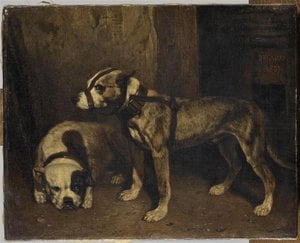
- CHIENS BRIFAUTS: Očarujoč orientalistični prizor, ki prikazuje pse v živahnem okolju.
- LA COUR DE FERME: Čudovita slika iz 19. stoletja, ki združuje francoski romantizem z zgodovinskimi podrobnostmi.
- L’ÉCOLE TURQUE: Živahna upodobitev turške šole, ki ujame energijo in vzdušje vsakdanjega življenja.
- PAYSAGE TURC: Mirna pokrajina, ki raziskuje realizem in romantiko v francoskem okolju.



 Predogled
 Preklop na tiskanine
 Pošlji
 Deli
Deli
 Podrobnosti o delu

 Prenesi
 Podobni izdelki
 Rentgenski posnetek
 Predvajaj diaporama
 Statistika

 Razviljaj več