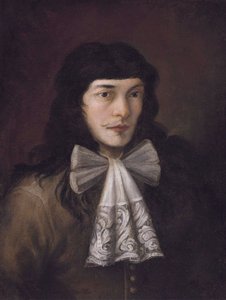
Biografija umetnika
Življenje okroženo v mraku: enigmatični svet Alessandroja Magnascoja
Alessandro Magnasco, ime, ki je morda manj znan kot imena njegovih baroknih konpanjerjev, pa kljub temu zapoveduje edinstveno in privlačno mesto v zgodovini italijanskega umetnistva. Rojen v Genoi leta 1667 je večino svojega delovnega življenja preživel v Milanu, nazaj na svoje bojišče pa le na koncu kariere leta 1735. Ta geografska premik odraža subtilno, vendar pomembno razvitje njegove umetniške vizije – potovanje od sodelovalnih projektov in vzpostavljenih tradicij proti izjemno osebnemu in pogosto nemirnemu stilu. Magnasco ni zgolj slikoval tisto, kar je videl; prenašal je specifičen razpoložje, občutek melankolije in razпада, na platno s odvažnostjo, ki ga je ločila. Period med leti 1703 in 1709 ga je našel v Florenci, kjer je služil Veliknemu vojvodi Cosimu III, izkušnjo, ki je brez dvoma razširila njegove umetniške horizonte, čeprav ostaja njegova neposredna vplivnost na njegovo zrelo stilizacijo odprta za interpretacijo. Na začetku kariere se je pogosto združeval s drugimi umetniki, izjemno vešče je integriral likove v pejzaže Giovanni Battista Tavelleja in uporabil arhitekturne ruine Clemente Spera – sodelovanja, ki so okrepila njegove tehnične sposobnosti, hkrati pa namigovali na vznikujo neodvisnost.
Neobična vizija: Stil in tema
Magnascova umetniška podpis leži v njegovem razliknem pristopu tako k velikosti kot tudi k paleti barv. Preferiral je male platna, pogosto uporabljacej hipokromatski spekter ztonih barv – sivih, kahvih, ohranjnih – ki prispevajo k tamnemu vzdušju, ki premočuje njegovo delo. To niso sliki, ki kričijo po pozornosti; tiho šepetijo skrivnosti iz razsvetljenih kotov. Njegove scene pogosto prikazujejo razpadajoče ruine, čudovnate pejzaže prekrivene z мъlado ali zapuščeni interiore, preobljeni z izdloženimi liki, namaljanimi s nervoznimi, treperljivimi štokusci. To so ti liki – pogosto razvaljeni brezobročci, samostojni monaki ali senčne skupine, zauzeti v misteriozni dejavnosti – ki resnično definirajo njegovo dela. Magnascova izbira teme je bila izjemno nekonvencionalna za svoje čase. Ni se bojal prikazovati scen, ki so bile smatrane za marginalne ali celo tabu: sinagogalne ceremonije, zbori kvakirerjev, zbiranja razbojnikov, preizkušanja inkuizicji ter prikazi katastrof. Namerava umetnika ostaja dvsemansko; so bile te sliki izrazi socialnega komentarja, raziskovanja religijske tolerancije (ali brez nje) ali pa zgolj vaje v ujetju specifičnega razpoložja? Ta dvsemansnost je prav to, kar njegovo delo tako osvajače. Kasneje v karieri, po letu 1710, je postal znan po gotičnih cerkvah, samostojnih ermitih in monakih, šarlatanih zbriranih na trgih in vojaščnikih v karakaterijih – scene, ki so še dodatno utrdile njegovo reputacijo umetnika, privlačenega k robovima družbe.
Vplivi in umetniški razvoj
Izločitev natančnih vplivov na umetniški razvoj Magnascoja je zapleteno podjetje. Očkarje so absorbiral elemente iz različnih virov, vendar jih so sintezirali v nekaj popolnoma originalnega. Svoboden slikovni stil njegove venecijanske konpanjerjev, Sebastiano Ricci, je brez dvoma igralo vlogo, čeprav se delo Riccija naginjalo k večjim razmerjem in bolj očitno mitološki teme. Približje doma so mu genojanski umetniki Domenico Piola in Gregorio de Ferrari ponudili stilistične predloge, vendar je vizija Magnascoja bila veliko tamnejša in introspektivnejša. Emocionalna intenzivnost milanškega umetnika Il Morazzone ga je prav tako zaslišala, zlasti v njegovi sposobnosti prenošenja psihološke globine skozi izrazite štokusce. Njegove morjejske pejzaže razkrivajo afiniteto do romantičnih prikazov bočjev morji in razbojnikov, ki so jih ljubil Salvatore Rosa, medtem ko manjšo velikost njegovih likov v primerjavi z obrovskimi pejzaži odmeva vzdušje kompozicij Claudeja Lorraine. Primerjalci pa so namigovali tudi na žanrne scene Giuseppeja Maria Crespija, ki prikazujejo brezobročce, čeprav so liki Crespija običajno bolj močni in individualni. Nekateri znanstveniki celo sugerirajo, da je morda Magnasco vplival na samega Crespija. Poleg tega je umetnik verjetno bil vplivan od kasnih baroknih italijanskih žanrnih slikarjev, romanskih Bamboccianti ter podrobnih gravur Jacquesa Callota.
Nasledje in zgodovinska pomembnost
Stil Alessandroja Magnascoja je stopal v očitnem kontrastu z prevladujočimi umetniškimi normami Genoe, ki so poudarjale polirane površine in harmonično mešanje barv. Njegov odzven pristop in edinstvena vizija niso bili takoj cenjeni v njegovem matičnem mestu, vendar so našli usmerje med zbiratelji in patronih drugje, zlasti v aristokratskih krogih Milana. Rudolf Wittkower ga je slavnostno opisal kot „samostojnega, napetega, čudnega“ umetnika, odločenega od dominantne venecijanske šole. Čeprav je ta začetna pomanjkanje prepoznavanja bilo prisotno, je delo Magnascoja izvelo subtilen, vendar pomemben vpliv na kasnejše generacije umetnikov, vključno z Marco Riccijem, Giuseppe Bazzanijem, Francesco Maffejjem ter znameniti venecijanski slikarji Gianantonio in Francesco Guardi. Čeprav so ti kasniji rokoko slikarji njegovo svobodno štokusce prilagodili za dekorativne namene, ga je Magnasco sam uporabil za ujetje občutka mraka, realnosti in psihološke nemirja. Njegovi prikazi tortur ter drugih tamnih aspektov človečnosti so celo bili primerjani socialnemu komentarju, ki ga najdemo v gravurah Francisco Goya iz 19. stoletja – dokaz trajne moči in relevantnosti njegove nemirne vizije. Magnasco ostaja enigmatična figura, majstor razpoloženja in atmosfere, čigove sliki nadaljujejo osvajati in sproščati razmišljanje več stoletij po njihovem ustvarjanju. Njegovo umetniško delo je spominski znak, da se lepota lahko najde celo v tujih kotih in da resnično umetniško izrazje pogosto leži za meje konvencije.



 Predogled
 Preklop na tiskanine
 Pošlji
 Deli
Deli
 Podrobnosti o delu

 Prenesi
 Podobni izdelki
 Rentgenski posnetek
 Predvajaj diaporama
 Statistika


 Razviljaj več