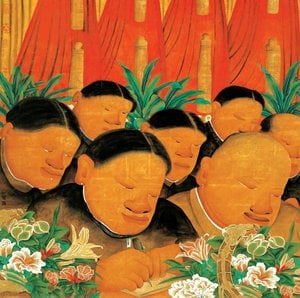
Ink On PaperContemporary Chinese Art
 Contemporary
 265.0 x 196.0 cm
 Today Art Museum
Ručne maľovaný olej na plátne vo vašej zvolenej veľkosti a v ráme, vyrobený na mieru našimi umelcami. ( Kúpiť tlač Kúpiť obrázok)





























Vyberte si z našich preddefinovaných rozmerov, ktoré zodpovedajú pôvodným pomeroḿ diela.

Môžete zadať vlastné rozmery tak, aby sa hodili do konkrétneho rámu alebo priestoru. Ak sa váš zvolený rozmer nezhoduje s pôvodnými proporciami obrazu, dielo buď orezáme, alebo ho doplníme ručne maľovanými prvkami. Pred začiatkom výroby vám zašleme digitálny náhľad na schválenie.
Upozorňujeme, že ukážka na obrazovke neodráža skutočné orezanie alebo doplnenie. Skutočnú finálnu kompozíciu zobrazuje iba digitálny náhľad.
Hoci sú k dispozícii vlastné rozmery, odporúčame vybrať rozmer z preddefinovaného zoznamu, aby sme zachovali pôvodné proporcie.
Celosvetová doprava () za 3 až 4 týždne namiesto štandardných 5 týždňov. (7 september). Bez kompromisov v kvalite.


China Diary, No.52
Veľkosť reprodukcie
Zhu Wei’s China Diary, No.52 transports the viewer directly into the vibrant, bustling artery of daily life in modern China. This painting is far more than a mere depiction of a street scene; it is a richly textured tableau vivant, capturing the confluence of tradition and relentless modernity. The eye is immediately drawn to the foreground where two placid cows stand side-by-side on the dusty road, their gentle presence anchoring the composition amidst the surrounding human activity. They seem to move with an unhurried rhythm, embodying a quiet continuity against the backdrop of passing time.
While the subject matter is deeply rooted in everyday realism—the scattered figures, the occasional horseman, the delicate placement of birds—the execution speaks to Zhu Wei’s profound command over contemporary Chinese painting techniques. His style manages a remarkable duality: it possesses the immediate accessibility of reportage art while retaining the sophisticated depth and subtlety characteristic of ink wash traditions. The brushwork is masterful, allowing details to emerge from washes of tone rather than being sharply delineated. This technique lends an ethereal quality to the scene, suggesting memories or fleeting moments caught just as they are passing.
The composition itself is a meditation on community and passage. The scattering of people—some walking, some mounted—creates a dynamic flow that suggests the ceaseless energy of human endeavor. In art historical terms, such scenes often reflect a society in flux. The cows, perhaps symbolizing enduring pastoral life or simple sustenance, contrast beautifully with the movement of the crowd, inviting contemplation on what endures and what merely passes by. Zhu Wei invites us to observe not just the people, but the underlying rhythm that connects them all.
For collectors and designers alike, this piece offers an unparalleled emotional resonance. It is vibrant without being chaotic; it is narrative without being didactic. Reproducing China Diary, No.52 into a contemporary interior space introduces a layer of cultural depth and storytelling. The warm, earthy tones inherent in the painting ground a room, while the implied energy keeps the spirit lively. It serves as a magnificent focal point, whispering tales of Chinese life to anyone who pauses before its captivating surface.
Zhu Wei, narodený v Pekingu v roku 1966, je významným predstaviteľom súčasného čínskeho umenia, ktorý je uznávaný pre svoj jemne kritický vzťah k politike a spoločnosti v rámci rýchlo sa meniaccej sa krajiny moderného Čína. Stojí ako jeden z najvýraznejších tvorcov umeleckého obdobia po udalostiach na námestí Tiananmen, pričom prejavuje pozoruhodnú vernosť tradičnému čínskemu maliarstvu a zároveň ponúka nuancovaný komentár k jeho historickému kontextu.
Zhu Wei zastáva kľúčovú pozíciu v rámci súčasného čínskeho umenia. Ako umelec, ktorý sa objavil v ére po udalostiach na námestí Tiananmen, jeho tvorba odzrkadľuje komplexné vyjednávanie medzi tradíciou a modernou, medzi štátnou kontrolou a individuálnou expresiou. Jeho jemná kritika politických a sociálnych štruktúr, podaná cez šošovik klasického čínskeho maliarstva, ponúka jedinečný pohľad na rýchlu transformáciu Číny. Dokazuje, že tradičné umelecké formy môžu byť mocno prispôsobené riešeniu súčasných problémov, čím upevňuje svoj odkaz ako vitalného hlasu v globálnom umeleckom diskurze.

1966 - , Čína
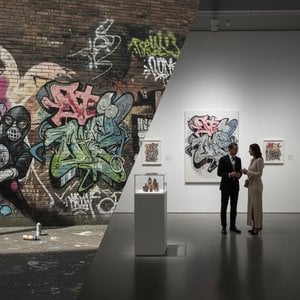
Explore the captivating journey of street art from urban walls to prestigious galleries. Discover how contemporary graffiti has evolved into a high-end collectible movement, redefining modern interior design and global art culture.
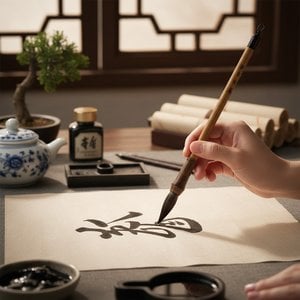
Embark on a profound journey through the soul of Chinese calligraphy. Explore the historical mastery of ink, brush, and script, from ancient Zhuanshu to elegant running script, and discover how this timeless art form reflects the enduring spirit of classical East Asian aesthetics.

Explore the profound mystery of Banksy, from his subversive stencils to his impact on global pop culture. Dive into an art-historical analysis of street art's greatest icon and the power of social commentary in modern urban landscapes.

 Náhľad
 Odoslať
 Zdieľať
 Podrobnosti o dielo

 Stiahnuť
 Podobné diela
 RTG skúška
 Prezentácia
 Zobraziť viac







 Možnosť skla je dostupná len pri rozmeroch pod 110 cm