Biografia umelca
A Life Forged in Abstraction
Willem de Kooning, meno spájajúce sa s divokou energiou a hlbokým emocionálnym zážitkom abstrakcionizmu, sa narodil v Roterdame, Holandsko, v roku 1904. Jeho rané roky boli poznačené rodinným rozpadom – jeho rodičia sa rozviedli, keď mal iba desať rokov – čo možno podnietalo v ňom pocit neustáleho hľadania, ktorý by prejavil prostredníctvom celého umelného diela. Už v trinástich rokoch opustil formálne vzdelanie a začal učiť sa od komerčnej umeleckej spoločnosti, čím položil základy svojho technického zručnosti, zároveň však podnecoval túžbu po prebudovaní konvencií. Večerná práca na Akadémii vizuálneho umenia a technických vied v Roterdame poskytla ďalšie základné vzdelanie, ale to bola túžba po niečo väčšom – po výraznejšej, expresívnejšej jazykov – ktorá ho nakoniec viedla do Ameriky v roku 1926. Jeho príchod nebol jednoduchý; údajne sa ukryol na lodi, čo odráža ducha outsidera hľadajúceho nové obzory. New York City sa stal jeho adoptovaným domovom a jeho pulzujúca, často drsná energia zásadne ovplyvnila vyvíjajúci sa štýl. Navštevoval rôzne práce – malára, tesára – všetky s cieľom neustále usilovať o umelckú vizií, absorboval mesto do svojho diela.
Od Miestnych Scén až po Abstrakčnú Fury
De Kooningove prvé maľby odrážali jeho okolitý svet: mestské krajinky a portréty zachytávajúce dynamiku New Yorku života. Avšak tieto boli len prekážky k hlbšiemu skúmaniu formy a emócie. Klíčový moment nastal s jeho spojenie s Arshile Gorkym, ktorého vplyv bol transformačný. Gorky povzbudil de Kooninga experimentovať s abstrakciou, čo podnietalo ochotu rozobrať tradičné zastúpenie v prospech niečoho hlbšieho. 30. roky boli pre De Kooninga obdobím spájania s realizm a murárske projekty prostredníctvom WPA (Works Progress Administration), obdobia, ktoré zlepšili jeho zručnosti, ale zároveň zdôraznili obmedzenia len reprezentácie. Hľadal cestu k iným formám umenia, vďaka čomu sa postupne odvracajú od doslovného znázornenia a smeroval k stále výraznejšej abstrakčnej slovníku. Nebol to okamžitý prechod, ale pomaly proces – dôsledná demontáž zavedených konvencií poháňaná intelektuálnou zvídavosťou a neustálym úsilím o umeleckú pravdu.
Ženské Série: Miesto Landmark Achievement
Po druhej svetovej vojne prešiel De Kooningovým štýlom ďalšia významná evolúcia. Hoci abstrakcia zostávala stredom jeho diela, krajinárske prvky začali hrať výraznejšiu úlohu, často zobrazované s jasnejšou paletou a voľnejším, plynulejším štetcovaniu. Pokračoval v neustálom experimentovaní počas celého života, skúmal rôzne techniky a materiály, nikdy nespokojný s tým, že by sa usadil na svojich dosiahnutých výsledkoch. Jeho neskoršie diela demonštrujú pozoruhodnú schopnosť reinventovať sám seba zatiaľ čo zostáva verný svojim základným umeleckým princípom. Willem de Kooningovo historické významstvo je nepopiratelná. Pomohol založiť New York City ako globálny center pre umenie, zpochybnil dominanciu európskych tradícií a vybojoval cestu pre budúce generácie umelcov. Jeho dielo dodnes inšpiruje úžas a vyvoláva debatu, pripomínajúc nám moc abstrakcie na to, aby vyjadrovala hlboké emocionálne pravdy. De Kooning zomrel v roku 1997, zanechal za sebou rozsiahle a vplyvné diela, ktoré sú dôkazom jeho neustáleho záväzku k umeleckej inovácii a jeho trvalého dedičstva ako jedného z najvýznamnejších amerických umelcov 20. storočia.
Vplyvy a Inšpirácie
De Kooning bol ovplyvnený mnohými umelcami a pohybmi, vrátane Picassa, ktorý ho v ranom období ovplyvnil svojím zameraním na kompozíciu a štruktúru. Jeho spojenie s Gorkym bolo zásadné pre jeho presun k abstrakcii. Okrem toho sa inšpiroval Stuart Davisom a Johnom Grahamom, ktorí tiež skúmali hranice tradičného umenia. Vplyv Matisseho na farbu a kompozíciu je zjavný v mnohých jeho dielach. Jeho práce boli tiež ovplyvnené expresionistami ako Van Gogh a Edvard Munch, čo sa prejavilo v jeho dynamických štetcovaniach a silných emóciách.
Kľúčové Práce a Dedikácie
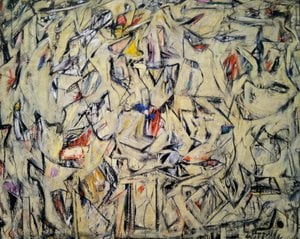
Medzi De Kooningovými najznámejšími prácami patrí séria *Ženy* (1950-1953), ktorá obsahuje ikonické diela ako *Žena I*, *Interchange* a *Reclining Man*. Tieto maľby nie sú len znázornenia ženských postáv; sú hlbokými skúmaniami ženskej sexuality, sexuality a komplexnosti ľudských emócií. Charakterizované agresívnymi štetcovaniami, fragmentovanými formami a chaotickou kombináciou farieb, séria *Ženy* podchytila konvencie krásy a reprezentácie. Bolo to kontroverzný, dokonca šokujúci pre niektorých, ale ich sila spočívala v tom, že sa neplánovali dodržiavať zavedené normy. De Kooning nemal záujem o vytváranie idealizovaných obrazov; hľadal základné, nedotknuté podstaty svojich subjektov. Okrem *Žien* diela ako *Glazier* a *Excavation* demonštrovali jeho dynamický prístup k maľovaniu, ukazovali jeho zručnosť v textúre, farbe a kompozícii.
Dedičstvo a Vplyv
Willem de Kooning bol uznávaný za jedného z najvýznamnejších umelcov 20. storočia. Jeho dielo ovplyvnilo generáciu umelcov a dodnes je zdrojom inšpirácie pre mnohých. Jeho prácu si pamätáme ako významný moment v dejinách umenia, ktorý sa stal základom pre ďalšie vývoj abstraktného expresionizmu.



 Náhľad v interiéri
 Kúpiť ručne maľovaný obraz
 Odoslať ako digitálnu kartu
 Zdieľať
 Podrobnosti o dielo
 Príručka

 Stiahnuť obraz
 Podobné položky
 RTG skúška
 Prehliadanie diapozoje
 Štatistiky


 Zobraziť viac






































 Možnosť skla je dostupná len pri rozmeroch pod 110 cm