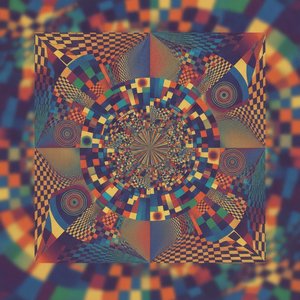
A Life Forged in Geometry: The World of Victor Vasarely
Victor Vasarely, známy aj ako Károly Vaszary a Győző Vásárhelyi, bol fascinujúci umelec, ktorý zásadne ovplyvnil vývoj moderného umenia a dizajnu. Jeho cesta k sebaurčeniu bola nepredvídaná – začal študovať medicínu na univerzite v Budapešti, no čoskoro sa rozhodol pre svet vizuálnej tvorby. Narodil sa v roku 1906 v Pécs, meste vted' súčasťou Rakúska-Uhorska (dnes Chorvátsko), a jeho dielo je silne spojené s geometrickou abstrakciou a optickým umením, známe ako Op Art. Vasarelyho tvorba sa vyznačuje systematickým prístupom k vizuálnej ilúzii, ktorý podnútil diváka aktívne sa zapájať do vnímania diela.
- Ranné obdobie: Jeho rané roky naznačovali cestu ďaleko od plátna; začal ako lekársky študent na univerzite v Budapešti, no čoskoro sa rozhodol pre svet maľby a zaradil sa do akadémie Podolini-Volkmann.
- Vplyv Bauhausu: Klíčovým momentom bolo jeho zaradenie do dielne Sándora Bortnyika – Műhely, školy silne ovplyvnené Bauhausovou filozofiou. Tu získal základy funkčného dizajnu a geometrickej abstrakcie.
- Od reprezentácie k abstrakcii: V neskorých 20. rokoch 20. storočia sa Vasarely postupne odvracajúci od realistického zobrazovania, hlbšie skúmal geometrickú abstrakciu. Práce ako "Modrá štúdia" a "Zelená štúdia" z roku 1929 ilustrujú tento prechod – zámerný odklad naratívneho obsahu v prospech čistých tvarov a farebných vzťahov.
The Dawn of Op Art and Systematic Illusion
Vasarelyho dielo sa rozvíja v 60. rokoch, kedy sa stal vedúcou figúrou nového hnutia Op Art. Na rozdiel od mnohých umelcov, ktorí spoléhali na intuíciu a spontánnu expresiu, Vasarely pristupoval k svojej práci systematicky. Používal siete a matematické princípy na generovanie vzorov, ktoré vytvárali silné optické ilúzie – vizuálne vibrácie, vlnivé efekty a dojmy hĺbky, kde fyzicky neexistovali. Nebol to o triku; išlo o odhalenie dynamiky zabudnutej v samotnom vnímaní. Veril v reprodukovateľnosť a širokú verejnú dostupnosť, snažil sa demokratizovať umenie tým, že ho urobí prístupným mimo galérie a muzej. Jeho dielo vyzývalo divákov, aby spochybňovali svoje vlastné vnímanie a aktívne sa zapojili do vytvárania významu. Tento aktívny prístup k vnímaniu odlišoval Op Art od iných trendov a upevnil jeho postavenie na čele tohto hnutia.
- Matematika a geometria: Vasarelyho diela sú založené na matematických vzoroch, ktoré vytvárajú ilúzie pohybu a perspektívy.
- Reprodukovateľnosť: Dôraz na reprodukciu v sériových dielach umožňoval šírenie jeho myšlienok a dosiahnutie širokého publika.
- Interakcia s divákom: Vasarelyho diela vyzývajú diváka, aby aktívne sa zapojil do procesu vnímania a interpretácie.
Beyond the Canvas: Kinetic Exploration and Lasting Legacy
Vasarelyho umelecké skúmanie nebolo obmedzené na statické ilúzie. Začal experimentovať s kinetickým umením, vytváral diela, ktoré obsahovali skutočný pohyb alebo pôsobili ako pohyb vďaka starostlivo zorganizovaným vizuálnym efektom. "Georges Pompidou" (1976), rozsiahly kinematický objekt nainštalovaný v Centre Pompidou v Paríži, je dôkazom jeho ambícií – integrácia umenia s architektúrou a mestským dizajnom na veľkom pláne. Experimentoval aj s aplikáciami svojich návrhov na komerčné produkty, najmä prostredníctvom spolupráce s Rosenthal porcelain, čo viedlo k ikonickému porcelánovému rade "Suomi". Táto ochota rozmaznávať hranice medzi umením a funkčnými objektmi ďalej zdôrazňovala jeho presvedčenie o potenciáli umenia preprechadnutie do každodenného života.
- Kinematické diela: Vasarelyho kinetické diela spájajú vizuálne ilúzie s fyzickým pohybom.
- Komerčné aplikácie: Jeho návrhy boli použité na rôzne komerčné produkty, ako je porcelán a obalové materiály.
- Fondácia Vasarely: Založenie Fondácie Vasarely v Aix-en-Provence zabezpečilo ochranu a propagáciu rozsiahleho diela.
Historical Significance
Vasarelyho prínos dejinám umenia je mnohostranný. Prešiel od tradičných maľbárskych techník k dielam, ktoré aktívne zapojujú diváka do vnímania. Jeho systematický prístup zmenil konvencie umeleckej tvorby a položil základy pre počítačovo generované umenie a digitálny dizajn. Dôrazom na reprodukovateľnosť a komerčné aplikácie Vasarely rozmazával hranice medzi umením a populárnou kultúrou, zanechal trvalý odkaz v oboch oblastiach.
Nebol to len tvorca esteticky príjemných objektov; bol to vedúci experimentátor, ktorý odhalil základné pravdy o tom, ako vnímame svet. Jeho dielo sa dodnes rezonuje a pripomína nám silu abstrakcie, krásu geometrie a nekonečné možnosti ľudskej kreativity.



 Náhľad
 Prepnúť na tlač
 Odoslať
 Zdieľať
 Podrobnosti o dielo

 Stiahnuť
 Podobné diela
 RTG skúška
 Prezentácia
 Štatistiky

 Zobraziť viac






































 Možnosť skla je dostupná len pri rozmeroch pod 110 cm