

Umelecké dielo zobrazené na tejto stránke je chránené autorským zákonom, čo znamená, že nemôžeme legálne vytvárať ani predávať jeho identickú reprodukciu. Táto ochrana je vymáhaná na základe medzinárodných dohôd, ako napríklad Bernská konvencia a národnými zákonmi, vrátane tých, ktoré sú stanovené v Autorské právo USA – Title 17. Všetky práva vyhradené.
Táto metóda plne dodržiava autorské práva, pretože nezahŕňa kopírovanie ani duplikovanie chráneného diela. Ide skôr o kreatívnu reinterpretáciu – nový obraz, ktorý je ovplybnený originálom, no nie je s ním identický.
Giclée tlač alebo plátno múzeálnej kvality s rýchlou výrobou a rôznymi možnosťami povrchovej úpravy. ( Kúpiť ručne maľovaný obraz Prepnúť na digitálny obraz)





























Vyberte si z našich preddefinovaných rozmerov, ktoré zodpovedajú pôvodným pomeroḿ diela.

Zadajte šírku a výšku, ktoré potrebujete, aby sa reprodukcia hodila k vášmu rámu alebo stene. Print možno len orezávať, nikdy však nemennú veľkosť zvětšiť oproti pôvodnému obrázku, preto pri inom formáte stráca časť obrazu. Pred samotným vytlačiacím procesom vám pošleme digitálny náhľad na schválenie. Obrázok zobrazený na tejto stránke nezobrazuje reálny rez — len digitálny náhľad ukazuje presný výsledok.
Celosvetová doprava () do 2 týždňov namiesto štandardných 4 až 5 týždňov. (11 november)
Abstract 4
Veľkosť reprodukcie
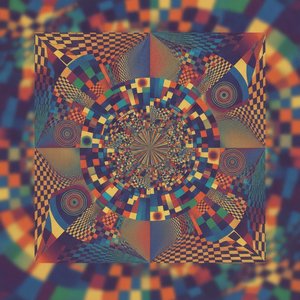
Victor Vasarely's "Abstract 4" is more than just a painting; it’s an invitation to question the very nature of visual reality. This striking artwork, dominated by a vibrant interplay of red and grey, exemplifies the groundbreaking Op Art movement that emerged in the mid-20th century. Born Károly Vaszary in 1906 in Pécs, Croatia – then part of Austria-Hungary – Vasarely’s artistic trajectory began with an unexpected detour into medicine before he ultimately embraced a lifelong pursuit of geometric abstraction, profoundly influenced by the Bauhaus principles and his time within Bortnyik's "Műhely" workshop.
The painting’s power lies in its deceptively simple composition. Close inspection reveals a complex network of overlapping circles, squares, and lines – all rendered with a remarkable precision. The dominant red hues are strategically placed to create areas of visual emphasis, while the grey tones provide a grounding counterpoint, enhancing the sense of depth and movement. Vasarely’s use of color isn't merely decorative; it’s integral to the artwork’s optical effect. The subtle variations in tone and saturation contribute significantly to the illusionary depth and dynamism that characterize Op Art.
"Abstract 4" was created during a period of immense artistic and technological change. Following World War II, artists were increasingly interested in exploring new ways to represent reality, moving away from traditional representational styles. The rise of mass media – particularly film and advertising – also influenced the development of Op Art, as designers sought to create visually arresting images that would capture attention. Vasarely’s work is considered a pivotal contribution to this movement, solidifying his place as one of the most important pioneers of geometric abstraction and kinetic art.
Beyond its technical brilliance, "Abstract 4" evokes a sense of wonder and intrigue. The artwork challenges our assumptions about how we perceive the world, inviting us to engage in a playful dialogue with visual information. A hand-painted reproduction offers an exceptional opportunity to bring this iconic piece into your home or office – a testament to Vasarely’s innovative spirit and a captivating addition to any art collection. Its dynamic composition and bold color palette make it ideal for modern interiors, adding a touch of intellectual stimulation and artistic flair.
„Abstract 4“ od Victor Vasarely je klasifikovaný ako WallArt. Táto kategória určuje druh diela, ktorým je originál.
Medzi ďalšie známe mená umelca Victor Vasarely, autora diela „Abstract 4“, patria aj Károly Vaszary, Győző Vásárhelyi.
Farebná kompozícia diela „Abstract 4“ od Victor Vasarely spája Balanced kontrast s Unified Palette harmóniou.

1906 - 1997 , Kroatia

Discover the profound beauty of abstract art. Our expert guide explores geometric abstraction, Op Art, and Expressionism, offering connoisseurs deep insights into collecting and curating powerful, non-representational masterpieces for sophisticated interiors.
Explore the mesmerizing world of Victor Vasarely. Discover how his Bauhaus-inspired Op Art masters the science of perception through geometric abstraction and vibrant color. A sophisticated guide for discerning art collectors seeking to understand the legacy of optical illusion.

Embark on a visual journey through the mesmerizing world of Op Art. Discover the masters of optical illusion, explore geometric abstraction, and learn how to curate high-impact kinetic works for your private collection with expert guidance from art professionals.

Explore the profound spiritual depth of geometric abstraction. From Malevich's Suprematism to modern masters, our expert guide reveals how pure form and color command presence in fine art collections.
 Náhľad v interiéri
 Odoslať ako digitálnu kartu
 Zdieľať
 Podrobnosti o dielo
 Príručka

 Stiahnuť obraz
 Podobné položky
 RTG skúška
 Prehliadanie diapozoje
 Otázky a odpovede
 Štatistiky

 Zobraziť viac









 Možnosť skla je dostupná len pri rozmeroch pod 110 cm


