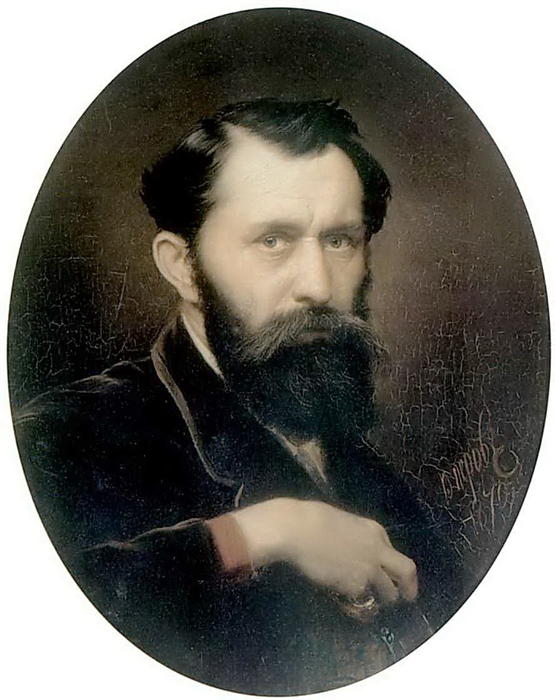
Vasily Grigorievich Perov: A Voice of the Voiceless in Russian Realism
Vasily Grigoryevich Perov, narodený 2. januára 1834 v Tobolske, hlboko zakorennený v srdciach Sibírskej krajiny, bol nesmierne významný ruský maliar, ktorý sa stal symbolom kritického realizmu. Jeho životný príbeh je sám o sebe plný sociálnych komplikácií, ktoré sa odrážajú v jeho dielach. Narodil sa mimo manželstva, ako syn barona Grigória Kridenera a Akulíny Ivanovej, čo ho od útleho veku vystavilo neobvyklému výchove, ktorá mu vložila hlboké citlivosť na nerovnosti spoločnosti. Prijatie priezviska “Perov”, odvodeného z ruského slova “pero” – symbol píšťaly, odkazujúci na jeho ranú zručnosť v kaligrafii, predznamenáva jeho oddanosť detailnému zaznamenávaniu sveta okolo neho – sveta často prehliadaného alebo úmyselne zakrytého. Jeho formálne umelecká cesta začala na Alexander Stupinovej akadémii umenia v Arzáme, kde zdokonalil základné zručnosti pred tým, ako sa v roku 1853 presadil na Moskovskej škole maľby, sochárstva a architektúry. Tento obdoba bol zásadný pre formovanie jeho technických schopností a vystavení sa širšiemu spektru umeleckých vplyvov. Ránna uznanie prichádzalo pod formou strieborných a zlatých medailí od Impérialskej akadémie umenia za diela ako “Komisár vidieckej policie vyšetrujúci” a, najvýznamnejšie, “Homília v dedine” z roku 1861 – obraz, ktorý ho posadil do centra pozornosti národu a otvoril mu príležnosť študovať v zahraničí.
The Voice of the Voiceless: Themes and Techniques
Perovova umelecká videnie bola hlboko zakorenená v záväzku k zobrazovaniu ruského spoločnosti s nekompromisnou uprosťou. Odmietol idealizované zobrazenia, ktoré privilégiovali mnohí jeho súčasníci, namiesto toho sa rozhodol sústrediť sa na životy bežných ľudí – chudobných, robotníkov, marginalizovaných a zabudnutých. Jeho maľby nie sú len reprezentáciami reality; sú silnými sociálnymi komentármi, ktoré odhaľujú ťažkosti, nespravodlivosť a duchovnú prázdnotu, ktoré sa prejavovali v 19. storočí v Rusku. “Homília v dedine” napríklad subtílne kritizuje náboženskú hyckosť tým, že zobrazuje neangažovanú cirkevné zhromaždenie počas božej služby, zatiaľ čo obraz “Troika: Pracovníci prenášajú vodu” odráža každodenné ťažkosti vidieckych obyvateľov. Jeho technika bola charakterizovaná detailom, spravidla smutnými farbami a mistrskou manipuláciou s svetlom a tieňmi na vytvorenie dramatického efektu. Nebol motivovaný romantizovať chudobu alebo utrpenie; namiesto toho sa snažil prezentovať ju s dôstojnosťou a empatiou, nútiac divákov konfrontovať nepríjemné pravdy o ich vlastnej spoločnosti. Jeho diela ako “Posledná cesta” zobrazujúce rituál pohrebného obradu chudobných ľudí, a “Troika: Pracovníky prenášajú vodu” sú príkladmi jeho schopnosti vyvolať hlboké emócie prostredníctvom realistických zobrazení každodenného života. Jeho zručnosť sa rozširila aj za olejomaľbu; vynikol aj v grafitovaní, ako je dokázané silným monokromovým dielom “Naushnitsa. Pred búrkou”, ktorý demonštruje jeho mistrovstvo v chiaroscuro a komplexný detail.
Founding a Movement: The Peredvizhniki
Perovova oddanosť realizmu sa dokonale vzťahovala na burzlivý umelecký rebely, ktorý viedol k vytvoreniu skupiny Peredvizhniki (Wanderers) v roku 1870. Táto skupina ruských realistických maľiarov sa osamostatnila od obmedzení akadémie a založila nezávislú spoločnosť venovanú vystavovaniu umenia po celom Rusku – dosahujúc publika mimo hraníc Petrohradu a Moskvy.
- Peredvizhniki mali za cieľ priniesť umenie priamo ľuďom,
- zamerať sa na riešenie sociálnych problémov prostredníctvom svojich diel,
- a podporiť jedinečnú ruskú umeleckú identitu.
Perov nebol len člen; bol zakladajúcim aktérom, ktorý formoval ideály skupiny a presadzoval jej princípy. Jeho záväzok k zobrazovaniu života bežných Rusov rezonoval hlboko s cieľmi Peredvizhniki, čím posilnil jeho postavenie vedúceho predstaviteľa v skupine. Wanderers’ výstavy sa stali obrovsky populárnymi, priťahujúc veľké množstvo publika a vyvolávajúc dôležité rozhovory o umení, spoločnosti a národnej identite.
Key Works and Artistic Style
Perovova tvorba je charakteristická svojou hlbokou empatiou k osudom chudobných a marginalizovaných. Jeho diela sú plné silných emócií a často zobrazujú ťažkosti, ktoré boli pre bežných ľudí v Rusku v 19. storočí typické. Niektoré z jeho najznámejších diel zahŕňajú: “Sermon in a Village” (1861), ktorý kritizuje náboženskú hyckosť prostredníctvom zobrazovania neangažovanej cirkevnej spoločnosti; “The Hunters at Rest” (1871), ktorý zobrazuje chudobných lovcov, ktorí sa snažia prežiť; a “Portrait of Fyodor Dostoevsky” (1872), ktorý odráža duchovnú prázdnotu ruského spoločnosti. Jeho technika je charakteristická detailným zobrazením, spravidla smutnými farbami a mistrskou manipuláciou s svetlom a tieňmi na vytvorenie dramatického efektu. Perov často používal temné palety farieb a zdôrazňoval ťažkosti a utrpenie svojich subjektov. Jeho diela sú plné silných emócií a často zobrazujú ťažkosti, ktoré boli pre bežných ľudí v Rusku v 19. storočí typické.
Legacy and Historical Significance
Nešťastná smrť od tuberkulózy v roku 1882 vo veku 48 rokov znamenala významnú strate pre ruské umenie. Avšak jeho dedičstvo pokračovalo v inšpirácii generácií umelcov, ktorí nasledovali jeho chod. Jeho vplyv je viditeľný v dielach Ilyu Repina a Vasila Surikova, oboch majstrov realistického maľby, ktorí ďalej rozvíjali tradíciu, ktorú on založil. Perovove diela zostávajú relevantné dnes nielen pre ich umeleckú hodnotu, ale aj pre svoje trvalé sociálne komentáre. Slúžia ako silný pripomienok k ťažkostiam, ktoré čelili bežným ľuďom v priebehu dejín a pokračujú v podnecovaní empatie a porozumenia. Jeho diela sú dnes vystavené v renomovaných zbierkach, vrátane múzea Tropinina a Múzea súčasného umenia Moskvy, čo zabezpečuje, že jeho videnie bude rezonovať s publikom po celom svete. *Perovova prínos presahuje len umelecká zručnosť; bol sociálnym povedomím vyryté do plátna, hlasom ticho držaných a pionierom ruského realizmu.* Zanechal za sebou dielo, ktoré nielenže dokumentuje jeho čas, ale aj ho mení.


 Zobraziť v interiéri
 Objednať ručne maľovanú reprodukciu
 Odoslať
 Zdieľať
 Podrobnosti
 Príručkovo

 Stiahnuť
 Podobné položky
 RTG skúška
 Prehliadanie diapo\]
 Štatistiky


 Prečítať si viac






































 Možnosť skla je dostupná len pri rozmeroch pod 110 cm


