Biografia umelca
A Life Etched in Ink and Wood: The World of Tsukioka Yoshitoshi
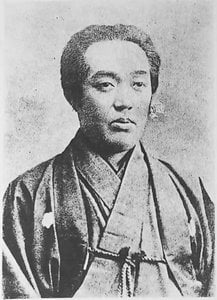
Tsukioka Yoshitoshi, narodil sa Owari Yonejiro v roku 1839 v živajúcom meste EDO (moderný Tokijo), a stojí ako monumentálna postava v dejinách japonského umenia. Je široko oslavovaný ako posledný veľký majster *ukiyo-e*, “obrázkov plávajúceho sveta”, hoci definovať ho len touto titulom je nedostatočné. Yoshitoshi nebol len strážcom tradície; bol inovatívny vizuálny rozprávač, ktorý odvážne zachytával chaotický duch Japonska prechádzajúceho radikálnou transformáciou. Jeho život sa odohrával v pozadí spoločenského búrania – posledných rokov Tokugawa šogúnatu, Meiji Obnovy a rýchleho prívodu západných myšlienok – všetko hlboko ovplyvňujúc jeho umelecké videnie. Narodil sa ako syn obchodníka, ktorý bol povýšený na samuraja, a jeho cesta ho zaviedla do učenia u Utagawy Kuniyoshiho, majstra, ktorého vplyv bude nepochopiteľný. Toto formujúce obdobie mu nielenže poskytlo technické zručnosti, ale aj hlbokú obľubu pre rozprávky a dynamickú kompozíciu.
Od učenia sa po umeleckú nezávislosť
Yoshitoshiho rané roky boli zakorenené v prísnej disciplíne *ukiyo-e* školenia pod vedením Kuniyoshiho. Absolvoval techniky svojho pána, zdokonalil si kreslenie a učil sa prekladať príbehy do pútavých vizuálnych foriem. No Yoshitoshi rýchlo začal tvoriť vlastnú cestu. Hoci na začiatku pracoval v rámci zavedených konvencií, čoskoro ukázal ochotu presiahnuť hranice, najmä v zobrazovaní násilia a smrti. Tieto neboli len bezútalostné prejavy, ale odôvodnené reflexiami éry nepokojov a osobnej tragédie – strata otca a Kuniyoshiho hlboko ovplyvnila jeho umelecký smer. Stred 60-tych rokov 19. storočia bol pre Yoshitoshiho obdobím uznania za to, čo sa stalo známym ako jeho “krvavé obrazy”, séria charakterizovaná grafickým obrazom a dramatickou intenzitou. Séria *Eimei nijûhasshûku* (Dvanásť osôb zabitých v dvadsiatich ôsmich známych vrahoch s veršmi) šokovala a očarila publikum, zobrazujúc brutálne vrahy s úžasnou realitou. Táto ochota konfrontovať temné témy ho odlišovala od mnohých jeho súčasníkov. Experimentoval s rôznymi sériami a témami, vrátane populárnej *Tsūzoku saiyūki* (“Moderná cesta na západ”) a *Wakan hyaku monogatari* (“Storie o Číne a Japone”), čo dokázalo jeho univerzálnosť a upevňovalo jeho reputáciu.
Inovácia v zmieňajúcom sa svete
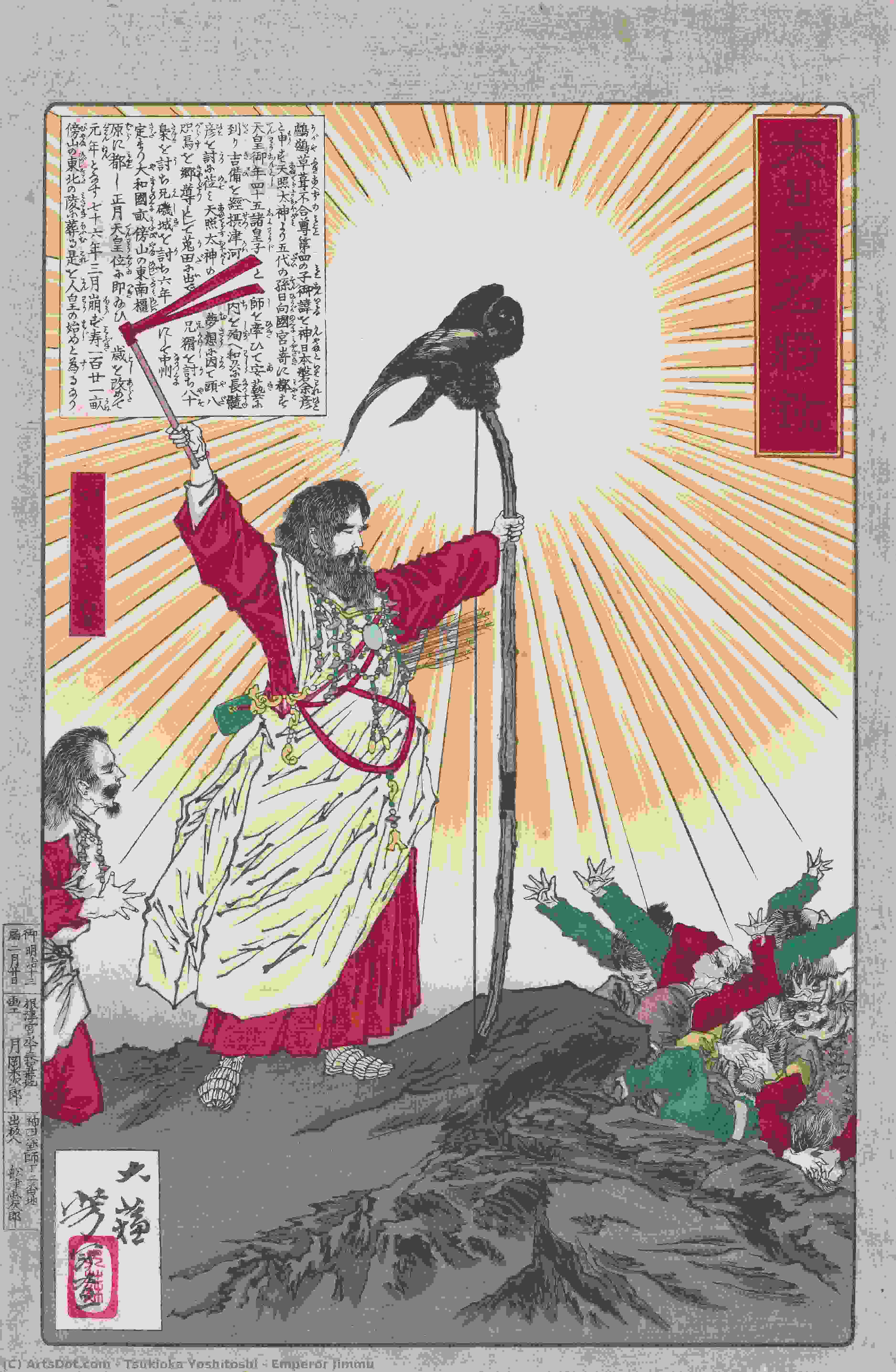
Yoshitoshiho génius nebol len v témach, ale aj v umeleckej technike. Dokonale spájal tradičné japonské estetiku s západnými vplyvmi, pričom prijímal prvky perspektívy a kompozície od importovaných obrazov a gravúr. Táto fúzia vytvorila jedinečnú vizuálnu reč, ktorá bola zároveň jasne japonská a výrazne moderná. Keď sa Japonsko snažilo o modernizáciu, nové technológie ako fotografia a litografia ohrozili samotné existencie *ukiyo-e*. Yoshitoshi si uvedomil túto výzvu a reagoval tým, že zdvihol svoje umenie na nevídanú úroveň umeleckého spracovania. Experimentoval s farebnými paletami, vylepšoval techniky gravírovania a presadzoval hranice rozprávkových príbehov v dreseckom médiu. Séria *Musha Burui* (Vojovnícke obrazy) je toho dôkazom – každý obraz je dynamickým výbuchom akcie a emócií, zobrazujúci hrdinské postavy a dramatické boje. Rozumel tomu, že aby prežil, muselo *ukiyo-e* vyvinúť nové spôsoby, a venoval sa tomu svedomite, aby zabezpečil jeho pokračovanie.
Historický kontext a osobné tragédie
Yoshitoshiho roky boli sprevádzané búrením v Japonsku. Vplyv Západu a západných myšlienok v 50-tych a 60-tych rokoch 19. storočia hlboko narušil feudalné japonské spoločnosť. Hoci bola populárna nálada proti Západu, boli aj tí, ktorí si uvedomili, že jediným obranným mechanizmom proti Západu je prijatie jeho nadriadených vojenských a ekonomických technológií. Táto napätosť medzi odmietnutím západného vplyvu a prijatím západnej technológie, spojená s úrodnými neúspechmi a hospodárskou recesiou a hyperinfláciou, prelomila Tokugawa šogúnatu (ktorý vládne menom cisára, ale vyjadruje prakticky absolútnu moc) a vedla k ozbrojenému konfliktu medzi šógunskej aristokraciou a konkurenčnými šlechticami a samurajmi, ktorí chceli nastoliť modernú vládu pod príkrov obnovy cisára na jeho správne miesto. Tento konflikt viedol k páde Tokugawa šogúnatu v roku 1868 a jeho nahradeniu modernej vládou, ktorá vyhlásila Meiji Obnovu (“Vzoru osvietenia”). John Stevenson, vo svojom rozsiahlych diela *One Hundred Aspects of the Moon* poznamenáva, že dopad Yoshitoshiho sledovania masakru dvetisíc šógunskej armády cisárskymi silami na bojisku na konci občianskeho konfliktu „rezonoval v Yoshitoshiho dielach po mnoho rokov.“
Krvavé obrazy a osobné tragédie
Medzi roky 1866 a 1868 vytvoril Yoshitoshi sériu znepokojivých a sadistických obrazov, známe ako Dvanásť osôb zabitých v dvadsiatich ôsmich známych vrahoch s veršmi. Tieto obrazy zobrazujú vrahy v veľmi grafickej podrobnosti, niektoré ukazujú bodnutia a odsekanie žien s krvavými otlakami na ich šatoch. Iné ukázali obrezávanie a zabíjanie mužov. Yoshitoshiho najznámejšia séria *Eimei nijûhasshûku* (Dvanásť osôb zabitých v dvadsiatich ôsmich známych vrahoch s veršmi) bola veľmi populárna v Japone aj v zahraničí a dobre sa predávala. Jeho ochota konfrontovať temné témy ho odlišovala od mnohých jeho súčasníkov. V roku 1866 vytvoril Yoshitoshi sériu znepokojivých a sadistických obrazov, známu ako *Kinsei kyôgiden* (Biografie moderných mužov). Niektoré z týchto obrazov zobrazujú boj medzi dvoma hazardnými kruhmi. Medzi roky 1866 a 1868 vytvoril Yoshitoshi niekoľko veľmi znepokojivých obrazov. Jeden z jeho najkrvavejších návrhov nájdeme v sérii *Azuma no nishiki ukiyo kôdan*, príbehy plávajúceho sveta na východnej brokátovej látke. V roku 1868, po bitke o Ueno, vytvoril Yoshitoshi sériu obrazov, ktoré zobrazovali boj medzi dvoma hazardnými kruhmi.
Zmena a nový začiatok
Počas Meiji Obnovy sa spoločnosť rýchlo modernizovala a nové technológie, ako fotografia a litografia, hrozili zničiť *ukiyo-e*. Yoshitoshi si uvedomil túto výzvu a reagoval tým, že zdvihol svoje umenie na


 Zobraziť v interiéri
 Objednať ručne maľovanú reprodukciu
 Odoslať
 Zdieľať
 Podrobnosti
 Príručkovo

 Stiahnuť
 Podobné položky
 RTG skúška
 Prehliadanie diapo\]
 Štatistiky
 Prečítať si viac






































 Možnosť skla je dostupná len pri rozmeroch pod 110 cm