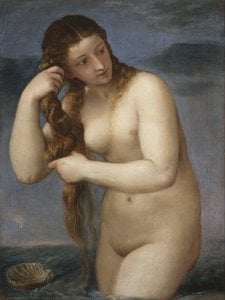
Znovuzrodenie v Novom Svete: Život a dielo Titiana Ramsayho Pealea II
Titian Ramsay Peale II (1799-1885) predstavuje fascinujúcu, často prehliadanú postavu v krajine amerického umenia 19. storočia. Narodený vo Philadelphii, pochádzal z umeleckej rodiny – bol najmladším synom Charlesa Willsona Pealea, kľúčovej osobnosti raného amerického portrétneho maliarstva a zakladateľa prvého múzea v krajine. Hoci dedičstvo otca bolo výrazné, Titian si vydláždil vlastnú cestu, hlboko zakorenenú v estetických ideáloch Vysokého renesančnej umeleckej tradície, najmä tých prichádzajúcich z Benátok. Netvoril len repliky štýlov; kanalizoval hlbokú umeleckú citlivosť, prenášajúc do plátien precízny detail a živú farebnú paletu, ktorá ho odlišovala od mnohých jeho súčasníkov. Jeho život sa odohrával na pozadí rozvíjajúcej sa americkej identity, no jeho umelecké srdce zostalo spojené s klasickými majstrami, vytvárajúc presvedčivé napätie medzi úctou k starému svetu a novým výrazom.
Od prírodovedcovho zápisníka k maliarskemu plátnu
Pealeove rané roky boli poznačené dvojakou fascináciou umením a prírodnou históriou – kombináciou podporovanou mnohostrannými záujmami jeho otca. Zúčastnil sa expedícií, najmä cesty Stephena Harrimana Longa do Skalistých hôr v rokoch 1819-20, kde s narastajúcou umeleckou zručnosťou dokumentoval flóru a faunu. Toto obdobie nešlo len o zaznamenávanie pozorovaní; išlo o *pochopenie* formy, svetla a textúry – zručnosti, ktoré sa ukázali ako neoceniteľné, keď sa plne venoval maliarstvu. Jeho práca prírodovedca obohatila jeho umenie, prenášajúc vedeckú precíznosť do zobrazení prírodného sveta, no zároveň ich napĺňala emocionálnou rezonanciou presahujúcou holé dokumentovanie. Neukazoval nám len to, ako veci vyzerajú; odhaľoval ich vnútornú krásu a duchovný význam. Táto oddanosť obom disciplínám je evidentná v dielach ako „Daň peniazmi“, dramatické stvárnenie s majstrovským využitím svetla a tieňa pripomínajúcim Rubensa, a „Nymfa a pastier“, ktoré spájajú prírodu, mytológiu a zmyselnú krásu.
Benátsky vplyv a posvätné vízie
Vplyv benátskeho kolorizmu – dôrazu na bohaté, žiarivé farby a atmosférické efekty presadzované umelcami ako Titian (po ktorom pomenoval svoje meno) – je nepopierateľný v Pealeovom diele. Nekopíroval len týchto majstrov; internalizoval ich princípy a prispôsoboval ich vlastnej umeleckej vízii. To je obzvlášť zreteľné v jeho náboženských dielach, ako sú „Oltárny svätyňa so štyrmi svätými“ a „Klananie sa pastierov“. Tieto obrazy nie sú len zobrazením biblických scén; sú to pohlcujúce zážitky, ktoré vtiahnu diváka do sveta duchovnej kontemplácie prostredníctvom starostlivo komponovaných kompozícií a majstrovského využitia farieb na vyvolanie emócií. Precízna pozornosť detailom v týchto dielach hovorí nielen o jeho technickej zručnosti, ale aj o hlbokej úcte k predmetu jeho tvorby. „Krása“, pôsobivý portrét, ďalej demonštruje jeho schopnosť zachytiť ľudskú formu a charakter s eleganciou a rafinovanosťou.
Opätovné objavenie a trvalý význam
Počas väčšiny 20. storočia zostal Titian Ramsay Peale II do značnej miery skrytý v art-historických príbehoch. Jeho práca nezapadala hladko do prevládajúcich trendov a jeho oddanosť klasickému štýlu sa zdala anachronistická v rýchlo sa meniacej umeleckej krajine. V posledných rokoch však nastalo rastúce prehodnocovanie jeho prínosu. Vedci a zberatelia uznávajú jedinečnú kombináciu americkej citlivosti a európskych tradícií, ktorá charakterizuje jeho obrazy. Opätovné objavenie jeho diela nie je len o vyplňovaní medzier v dejinách umenia; ide o získanie hlbšieho porozumenia komplexným kultúrnym silám, ktoré formovali 19. storočnú Ameriku. Peale predstavuje most medzi svetmi, svedectvo trvacej sily klasických ideálov a pripomienku toho, že umelecká inovácia často pramení z nečakaných kombinácií vplyvov. Jeho obrazy, ktoré sa teraz nachádzajú v zbierkach ako WahooArt, Uffizi Gallery a Palazzo Pitti, ponúkajú presvedčivý pohľad do zabudnutého kúta amerických dejín umenia – kúta osvetleného žiarivým leskom renesancie.
- Vplyvní umelci: Titian, benátski majstri
- Dátum narodenia: 1799
- Dátum úmrtia: 1885
- Národnosť: Americká
- Pozoruhodné umelecké diela: „Oltárny svätyňa so štyrmi svätými“, „Klananie sa pastierov“, „Krása“, „Daň peniazmi“, „Svätá rodina s pastierom“, „Nymfa a pastier“
Titian Ramsay Peale II bol nielen maliar, ale aj prírodovedec, ktorý sa snažil zachytiť krásu a duchovný význam sveta okolo seba. Jeho dielo je svedectvom trvacej sily klasických ideálov a jedinečnej kombinácie americkej citlivosti a európskych tradícií.



 Náhľad
 Prepnúť na tlač
 Odoslať
 Zdieľať
 Podrobnosti o dielo

 Stiahnuť
 Podobné diela
 RTG skúška
 Prezentácia
 Štatistiky


 Zobraziť viac






































 Možnosť skla je dostupná len pri rozmeroch pod 110 cm