Giclée tlač alebo plátno múzeálnej kvality s rýchlou výrobou a rôznymi možnosťami povrchovej úpravy. ( Kúpiť ručne maľovaný obraz Prepnúť na digitálny obraz)





























Vyberte si z našich preddefinovaných rozmerov, ktoré zodpovedajú pôvodným pomeroḿ diela.

Zadajte šírku a výšku, ktoré potrebujete, aby sa reprodukcia hodila k vášmu rámu alebo stene. Print možno len orezávať, nikdy však nemennú veľkosť zvětšiť oproti pôvodnému obrázku, preto pri inom formáte stráca časť obrazu. Pred samotným vytlačiacím procesom vám pošleme digitálny náhľad na schválenie. Obrázok zobrazený na tejto stránke nezobrazuje reálny rez — len digitálny náhľad ukazuje presný výsledok.
Celosvetová doprava () do 2 týždňov namiesto štandardných 4 až 5 týždňov. (10 november)
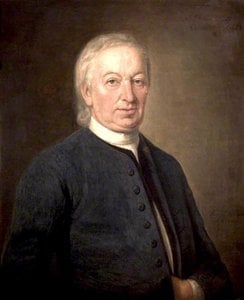
Captain Peter Marriette, Ship's Captain
Veľkosť reprodukcie
In the quiet dignity of Tilly Kettle’s 1769 masterpiece, Captain Peter Marriette, Ship's Captain, we encounter more than just a likeness; we step into the very heart of Enlightenment-era Britain. This striking oil painting serves as a profound window into an age defined by maritime expansion and the burgeoning influence of the East India Company. Through Kettle’s masterful hand, the subject is not merely recorded but elevated, embodying the steadfastness and social ambition that characterized the era. As the viewer engages with the portrait, there is an immediate sense of meeting a man of consequence—a figure whose very presence commands respect through a composed, thoughtful stillness.
The composition is a triumph of Neoclassical restraint. Eschewing the flamboyant distractions of the preceding Rococo period, Kettle employs a focused, one-point perspective that directs all attention toward Marriette’s countenance. Seated in profile against a muted, unobtrusive backdrop, the Captain becomes the singular protagonist of his own story. The artist utilizes the vertical space of the canvas to emphasize the subject's stature, ensuring that the viewer's gaze is drawn upward to the subtle nuances of his expression. It is a deliberate arrangement designed to foster a sense of solemn contemplation, inviting us to wonder about the many voyages and heavy responsibilities etched into the lines of his face.
Technically, the painting is a testament to the precision of 18th-century oil portraiture. Kettle’s brushwork is remarkably smooth, creating a polished surface that allows light to dance across the textures of the subject's attire. There is a palpable sense of volume in the rendering of Marriette’s clothing; the heavy fabric of his coat feels substantial, almost tactile, thanks to the meticulous application of shadow and highlight. This realism extends to the delicate textures of his hair and the fine details of his skin, where the artist captures the grace of aging with profound sensitivity.
The color palette is deeply symbolic, woven with a narrative of status and duty. The dominance of deep blues evokes the vastness of the oceans Marriette navigated, suggesting maritime authority, reliability, and a steadfast spirit. These cool tones are balanced by crisp whites, which lend an air of nobility and purity to the composition. To complete this visual language of prestige, Kettle incorporates subtle accents of gold trim along the Captain's coat. This glint of precious metal serves as a quiet but powerful reminder of his elevated social standing and the wealth brought by the era's global trade. For the discerning collector or interior designer, these colors offer a sophisticated palette that brings a sense of historical weight and classical elegance to any curated space.
Beyond its historical significance, Captain Peter Marriette possesses an emotional resonance that transcends the centuries. It is a piece that speaks of legacy, duty, and the quiet strength found in leadership. The soft, diffused lighting creates an atmosphere of intimacy, making the encounter with the subject feel personal rather than distant. This artwork does not merely decorate a room; it anchors it, providing a focal point of intellectual and aesthetic depth.
For those seeking to incorporate a piece of British art history into their homes or galleries, a high-quality reproduction of this work offers an unparalleled opportunity. It brings the spirit of the 1760s—an era of discovery and refined order—into a contemporary setting. Whether placed in a study, a formal dining room, or a sophisticated lounge, Kettle’s portrait serves as a timeless conversation piece, inspiring admiration for the craftsmanship of the past and the enduring allure of the Neoclassical tradition.
Diela podobné dielu „Captain Peter Marriette, Ship's Captain“ nájdete na stránke Podobné diela daného diela.
Dielo „Captain Peter Marriette, Ship's Captain“ od Tilly Kettle má luminanciu na úrovni Soft Shadow. Luminancia určuje, koľko svetla sa farbám podmieňuje odrážať.
Ručne maľované kópie diela „Captain Peter Marriette, Ship's Captain“ od Tilly Kettle sú dostupné na stránke táto webstránka: ručne maľovaná olejná reprodukcia na ľanovom plátne, pričom objednať ich môžete priamo cez ich podstránku Ručne maľovaná reprodukcia.

Tilly Kettle (1735–1786) predstavuje výnimočnú postać v dejinách britského umenia – bol to prvý významný anglický portrétny maliar, ktorý sa úspešne etabloval v živobudúcom kultúrnom prostredí Indie počas vrcholu nadvlády Britskej východnoindickej kompánie. Narodený v Londýne ako syn maliara kočov, z rodiny hlboko zapustenej do pivovarníckej tradície už celé päťdesiate roky, začal Kettle svoju umeleckú cestu základným výkonom pod vedením Williama Shipleyho v oblasti Strand. Toto skoré učňovstvo ho vložilo do rozkvitajúceho umeleckého prostredia, ktoré túžilo objavovať nové obzory mimo tradičných hraníc anglického vidieka.
Jeho profesionálne kroky do sveta portrétnej maľby sa začali ррastú v 50. rokoch 18. storočia, kedy si rýchlo získal uznanie vďaka schopnosti zachytávať podobu s pozoruhodnou presnosťou a citom. Kettleho rané plátna – predovšetkým autoportréty z roku 1760 – okamžite naznačili jeho ambície a upevnili jeho postavenie ako vychádzajúceho talentu v Spoločnosti umelcov, založenej v roku 1761. Táto prvotná výstavba posilnila jeho pozíciu medzi spolupracovníkmi usilujúcimi o uznanie a pohnala ho k získavaniu väčších zakázok. Jeho raná kariéra bola poznačená vyvinutou schopnosťou dokumentovať dôstojnosť a status svojich subjektov, čo sa najvýraznejšie prejavilo v jeho práci s členmi rodiny Dartmouth.
Mimo hraníc Anglicie je Kettleho odkaz definovaný jeho mimoriadne významnou expedíciou v roku 1768. Cestujúc v sprievode Britskej východnoindickej kompánie, pristál v Madrase – čo bola skúsenosť, ktorá hlboko transformovala jeho umeleckú víziu aj témy jeho tvorby. Toto obdobie mu umožnilo premostiť dva svety a skombinovať európske neklasické techniky s exotikou a veľkoleposťou indického subkontinentu. Jeho dielo z tejto éry slúži ako dôležitý historický záznam, zachytávajúci komplexné pretiekanie britskej koloniálnej prítomnosti a miestneho indického života.
Kettleho technika bola charakteristická pozoruhodným realizmom a schopnosťou vykresliť nielen textúru luxusných tkanín, ale aj jemné nuansy ľudských emócií. Jeho repertoár zahŕňa široké spektrum tém, od aristokratickej elegancie georgskej Anglie až po dominantné postavy spojené s vplyvom východnoindickej kompánie v Indii. Medzi jeho najvýznamnejšie príspevky do sveta umenia patria:
Protrávajúc tieto diela, Kettle robil viac než len prosté zaznamenávanie tvárí; zachytil samotnú podstatu éry definovanej expanziou, obchodom a stretnutím odlišných kultúr. Jeho schopnosť prispôsobiť svoj štýl tak, aby vyhovoval formálnym požiadavkám britskej portrétnej maľby aj živému, často ohromujúcemu zmyslovému prostrediu Indie, mu zabezpečuje trvajúce miesto v kronikách dejín umenia.

1735 - 1786 , United Kingdom

Explore the refined world of Neoclassical portraiture. Discover the mastery of line, light, and order through an expert exploration of academic art history, from Jacques-Louis David to Jean-Antoine Houdon. Immerse yourself in the timeless elegance of classical realism.

Explore the profound elegance of Neoclassical art. Discover the principles of order, symmetry, and virtue through the works of masters like David and Mengs. Immerse yourself in a journey of classical grace and timeless aesthetic perfection.
 Náhľad v interiéri
 Odoslať ako digitálnu kartu
 Zdieľať
 Podrobnosti o dielo
 Príručka

 Stiahnuť obraz
 Podobné položky
 RTG skúška
 Prehliadanie diapozoje
 Otázky a odpovede
 Štatistiky


 Zobraziť viac









 Možnosť skla je dostupná len pri rozmeroch pod 110 cm