Zobraziť v interiéri Náhľad v AR Prepnúť na tlač Prepnúť na digitálnu verziu obrazu Odoslať
Podrobnosti Príručkovo Pridať do obľúbených Stiahnuť Podobné položky RTG skúška Prehliadanie diapo\] Štatistiky

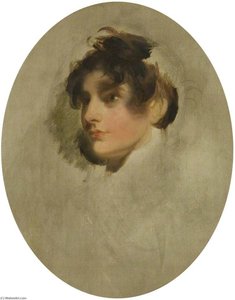
Dr John Richard Farre

Thomas Phillips (1770-1845) created this stunning depiction of Dr John Richard Farre, highlighting his intellect and contribution to ophthalmology. The painting's ornate frame complements the subject’s dignified pose amidst scholarly books.

Thomas Phillips (1770-1845) bol známy britský portrétny maliar, ktorý zachytával eleganciu a charakter významných osobností, vrátane Lorda Byrona. #BritskéUmění #PortrétováMaľba

Ručne maľovaná olejová reprodukcia

Ručne maľovaný olej na plátne vo vašej zvolenej veľkosti a v ráme, vyrobený na mieru našimi umelcami. ( Prepnúť na tlač Prepnúť na digitálnu verziu obrazu)

P118B $10
P118H $10
P118W $10
P438Z $10
P508JH $12
P508YH $12
P805H $10
P805Z $10
P919BZ $10
P919G $10
P919XJ $10
P959ZH $10
P968JZ $12
W106C $8
W218G $10
W218JH $8
W218Y $10
W307PJ $10
W316G $10
W316PJ $8
W316Y $10
W398PJ $8
W4111J $10
W500HY $15
W500JH $15
W692G $12
W849H $8
W940BG $15
W953PJ $8

Štandardné rozmery
na mieru
CM
INCH

Vyberte si z našich preddefinovaných rozmerov, ktoré zodpovedajú pôvodným pomeroḿ diela.

šírka
výška

Môžete zadať vlastné rozmery tak, aby sa hodili do konkrétneho rámu alebo priestoru. Ak sa váš zvolený rozmer nezhoduje s pôvodnými proporciami obrazu, dielo buď orezáme, alebo ho doplníme ručne maľovanými prvkami. Pred začiatkom výroby vám zašleme digitálny náhľad na schválenie.
Upozorňujeme, že ukážka na obrazovke neodráža skutočné orezanie ani doplnenie. Skutočnú finálnu kompozíciu zobrazuje iba digitálny náhľad.
Hoci sú k dispozícii vlastné rozmery, odporúčame vybrať rozmer z preddefinovaného zoznamu, aby sme zachovali pôvodné proporcie.

Príklady možných zmien: nahradiť tvár fotografiou zákazníka; pridať domáce zviera (napr. nahradiť mačku psom); vložiť skryté posolstvo do pozadia; zmeniť krajinu alebo prvky pozadia.
Po odoslaní objednávky vám tím WahooArt.com pošle e-mail s pokynmi a poskytne náhľad na návrh

Celosvetová doprava () za 3 až 4 týždne namiesto štandardných 5 týždňov. (23 september). Bez kompromisov v kvalite.

why_choose_icon
Bezplatná expresná doprava po celom svete
why_choose_icon
Vysokokvalitné lnianske plátno
why_choose_icon
Úplné poistenie prepravy
why_choose_icon
Záruka vrátenia colného poplatku
why_choose_icon
Záruka presného farebného zhodnutia
why_choose_icon
100-dená politika vrátenia tovaru (iba pri vadách)
why_choose_icon
100% záruka vrátenia peňazí
why_choose_icon
Ponuka množstevnej zľavy

Celková cena

$ 272

reproduction

Dr John Richard Farre

Spôsob reprodukcie

Veľkosť reprodukcie

-

Celková cena

$ 272

Rýchle fakty

  • Medium: Oil on canvas (implied)
  • Artistic style: Portraiture
  • Artist: Thomas Phillips
  • Title: Dr John Richard Farre
  • Notable elements or techniques:
    • Ornate frame
    • Books

Kvíz o umení

Pri každej otázke je iba jedna správna odpoveď.

Otázka 1:
What is the primary subject depicted in this portrait?
Otázka 2:
What elements in the painting suggest the subject's intellectual pursuits?
Otázka 3:
Thomas Phillips, the artist, initially trained in what craft before focusing on portraiture?
Otázka 4:
The overall atmosphere of the painting is described as one of:
Otázka 5:
Which historical period does the subject's attire suggest?

A Portrait of Enlightenment and Intellect

This captivating portrait presents Dr John Richard Farre, a figure whose very presence seems steeped in the refined atmosphere of the early nineteenth century. The subject is rendered with an air of distinguished gravity; his white hair catches the light, complementing the crisp formality of his suit and the immaculate white cravat encircling his neck. Thomas Phillips, the masterful hand behind this work, captures not merely a likeness, but an entire persona—that of a man of considerable standing within polite society. The meticulous rendering of his attire speaks volumes about the social codes and expectations governing prominent gentlemen during that era, suggesting a life lived under the careful gaze of societal expectation.

The Symbolism of Scholarship

What elevates this piece beyond a mere portrait is the thoughtful inclusion of scholarly accoutrements. Scattered around Dr Farre are several volumes—books whose presence acts as a silent testament to his intellectual pursuits. These scattered texts are not decorative filler; they are potent symbols, suggesting that knowledge was not just an interest, but a cornerstone of his identity. They invite the viewer to look deeper, to contemplate the depth of thought and the breadth of learning that underpinned his societal stature. The overall composition balances the personal dignity of the sitter with the universal pursuit of wisdom, creating a dialogue between man and mind.

Mastery in Technique and Atmosphere

Thomas Phillips’s technique is evident in every brushstroke. While the subject matter grounds us firmly in portraiture, the execution hints at the broader technical prowess that characterized his career. The handling of fabric, the subtle gradation of skin tones, and the richness implied by the ornate frame surrounding the scene all speak to a high degree of craftsmanship. The atmosphere cultivated is one of profound sophistication and quiet authority. It is an environment where conversation would be measured, ideas debated with passion, and refinement was paramount.

A Touchstone for Contemporary Interiors

For the discerning collector or interior designer, this reproduction offers more than just wall art; it offers a curated piece of historical ambiance. Imagine this portrait gracing a library, a formal drawing-room, or an academic study. It instantly bestows an air of cultivated history and enduring taste upon any space. The combination of formal portraiture and intellectual symbolism makes it incredibly versatile, appealing to those who appreciate both the artistry of the past and the quiet dignity of learned pursuits.


Biografia umelca

Thomas Phillips: A Master of Light and Character in 19th-Century British Portraiture

Thomas Phillips, born in Dudley, Worcestershire, in 1770, represents a fascinating confluence of artistic disciplines – initially trained as a glass painter, he ultimately ascended to become one of the most celebrated portraitists of his era. His journey from the meticulous craft of decorative glass to the grand halls of London’s Royal Academy is a testament to his innate talent and unwavering dedication. Phillips's work isn’t merely about capturing likeness; it’s an exploration of character, imbued with a remarkable sensitivity to light, color, and the subtle nuances of human expression.

His early years were shaped by his apprenticeship under Francis Eginton in Birmingham, where he honed his skills in glass-painting. This foundational experience instilled within him a profound appreciation for detail – a meticulousness that would later become a hallmark of his portraiture. The intricate patterns and vibrant hues of stained glass demanded an acute eye for color mixing and composition, providing a crucial training ground for the artist’s future endeavors. It was in 1790 that Phillips embarked on a pivotal journey to London, armed with a letter of introduction to Benjamin West, a leading figure at the Royal Academy. West's mentorship proved transformative, opening doors to employment on the painted-glass windows of St George’s Chapel at Windsor Castle – a demanding but invaluable opportunity to refine his artistic abilities within a grand architectural setting.

The Rise of a Portraitist: Style and Subject Matter

Phillips’s transition into portraiture was gradual yet deliberate. While initially undertaking landscape and historical scenes, he quickly recognized the burgeoning demand for individual portraits amongst London's elite. His style evolved rapidly, drawing upon both his glass-painting training – particularly his understanding of light and shadow – and the prevailing artistic trends of the late 18th and early 19th centuries. He possessed a rare ability to capture not just physical likeness but also something of the sitter’s inner life—their character, intellect, and even their mood. This wasn't simply replication; it was an attempt to reveal the soul behind the surface.

His early subjects were largely unknown individuals – tradesmen, servants, and members of the lower classes. However, through perseverance and a growing reputation for skill, Phillips steadily ascended the social ladder, attracting increasingly prominent figures to his studio. The portraits he produced during this period—often unsigned in the catalogues—were characterized by their understated elegance and remarkable realism. He skillfully employed subtle gradations of tone and color to create a sense of depth and atmosphere, capturing not just the appearance but also the essence of his subjects.

Royal Patronage and Academic Recognition

The year 1804 marked a turning point in Phillips’s career with his election as an associate of the Royal Academy. This prestigious recognition solidified his position within the established art world, alongside luminaries such as Thomas Lawrence and John Hoppner. Shortly thereafter, he relocated to 8 George Street, Hanover Square – a prestigious address that would serve as his home and studio for the remainder of his life. His clientele expanded dramatically during this period, encompassing members of the royal family, including the Prince of Wales (later George IV), as well as prominent figures from the aristocracy, literary circles, and scientific communities.

Amongst his most celebrated portraits are those of William Blake, a visionary poet and artist; Lord Byron, the flamboyant Romantic hero; and Sir Joseph Banks, the renowned botanist. The portrait of William Blake, now housed in the National Portrait Gallery, is particularly noteworthy for its evocative depiction of the poet’s intense gaze and spiritual depth. Phillips's ability to capture the essence of these extraordinary individuals cemented his reputation as one of the foremost portraitists of his time.

Later Years: Professorship and Legacy

In 1825, Thomas Phillips was appointed Professor of Painting at the Royal Academy, a position he held until 1832. This role afforded him the opportunity to share his artistic knowledge and techniques with aspiring artists, shaping the future of British painting. He published *Lectures on the History and Principles of Painting* in 1833, offering insights into his artistic philosophy and pedagogical approach – a testament to his enduring influence on the art world.

Phillips’s legacy extends beyond his individual works. His meticulous attention to detail, combined with his profound understanding of human psychology, established him as a master of portraiture. His paintings offer a captivating glimpse into the lives and personalities of some of Britain's most influential figures—a testament to his skill, sensitivity, and enduring artistic vision. The portraits he created continue to be admired for their beauty, realism, and the profound sense of character they convey.

Thomas Phillips

Thomas Phillips

1770 - 1845 , Spojené kráľovstvo

Rýchle fakty

  • Artistic Movement Or Style: Romantizmus
  • Artists Or Movements Influenced By This Artist: ['Benjamin West']
  • Artists Who Influenced This Artist: ['Benjamin West']
  • Date Of Birth: 1770
  • Date Of Death: 1845
  • Full Name: Thomas Phillips
  • Nationality: Britský
  • Notable Artworks:
    • Venüs a Adonísa
    • Lord Byron
  • Place Of Birth: Dudley, UK