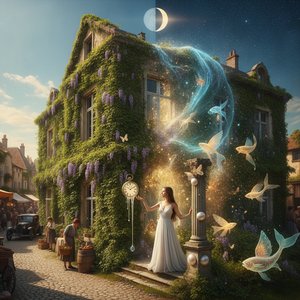
Biografia umelca
Thomas Eakins: Majstrovstvo Realizmu a Hlbokého Pozorovanie
Thomas Cowperthwait Eakins, narodený 25. júla 1844 v Philadelphii, je považovaný za jednu z najvýznamnejších figúr amerického umenia – maľára neúprosného realizmu, ktorý sa zaviazal zachytiť esenciu ľudskej skúsenosti. Jeho cieľom nebolo len *prejavovať* svet; hnal ho záujem o jeho rozloženie, pochopenie jeho anatómie, a či už fyzickej alebo psychologickej, a následne ho rekonstruovať na plátne s úprimnosťou, ktorá často prechádzala do provokácie. Jeho cesta nebola priamomom uznaním, ale pomalým, ale istým rozvojom, kontroverziami a nakoniec trvalým uznaním ako jeden z najhlbších realistov 19. a začiatku 20. storočia v americkom umení. Jeho Philadelphía nebola mestom rozsiahlych krajín alebo romantických ideálov; bola to realita lekárov, veslárskych tímov, lovcov a bežných ľudí – a títo ľudia boli jeho subjekty, zobrazovaní s takmer vedeckou presnosťou.
Rané Vplyvy a Formovanie Umelca
Eakinsova výchova podporovala nielen intelektuálnu zvídavosť, ale aj umeleckú vášeň. Jeho otec, Benjamin Eakins, písanýk a kaligráf, v ňom zakoristil lásku k disciplíne a detailnému pozorovaniu. Táto základňa bola ďalej posilnená jeho štúdiami na Central High School a Pennsylvania Academy of the Fine Arts, kde vynikal v kreslení a anatómia – fascinácia, ktorá sa prepletla celým jeho dielom. Avšak práve čas strávený v Európe, najmä pod vedením Jean-Léona Gérôme v Paríži, zásadne ovplyvnil jeho umelecký prístup. Gérôme dôraz na presné kreslenie a historickú presnosť rezonoval s Eakinsovou vlastnou tendenciou, ale rýchlo sa posunul za jednoduché napodobňovanie. Pobyt v Španielskej štvrti ďalej zlepšil jeho porozumenie svetlu, tieňom a sile priamej pozorovacej činnosti. Nebol spokojný len s kopírovaním starých majstrov; chcel *rozmeniť*, pochopiť *ako* oni dosahovali ich efektov a potom aplikovať toto poznanie na svoj vlastný jedinečný pohľad. Tento čas bol kľúčový pre posilnenie jeho záväzku maľovať priamo z života.
Hľadanie Pravdy: Témata a Techniky
Eakinsovo dielo je charakterizované neochvěným záväzkom k realizmu – odmietnutím idealizácie alebo romantizácie svojich subjektov. Jeho portréty, početnosťou niekoľko stoviek, nie sú lákavé reprezentácie navrhnuté na uspokojenie subjekta; sú to prenikavé štúdie charakteru, odhaľujúce silu a zraniteľnosť. Maľoval jednotlivých ľudí v ich profesionálnych prostrediach – chirurgov pri práci v *The Gross Clinic*, veslárskych tímov bojujúcich proti prúdu v *Max Schmitt in a Single Scull* – zachytávajúc nielen ich fyzické vzhľad, ale aj intenzitu ich zamerania a nároky ich povolania. Tento záväzok k pravde sa prejavil aj v jeho technike. Eakins dôkladne študoval ľudskú anatómia, často dissekoval mŕtvych telies, aby pochopil základnú štruktúru ľudského tela. Experimentoval dokonca s fotografiou, využíval ju ako nástroj na analýzu pohybu a dosiahnutie väčšej presnosti v jeho maľbách. Jeho použitie chiaroscuro – dramatický kontrast medzi svetlom a tmou – ďalej zvýrazňovalo pocit realizmu a psychologickej hĺbky v jeho dielach.
Kontroverzia a Dedikácia
Aj napriek svojmu umeleckému géniu bolo Eakinsova kariéra poznačená kontroverziou. Jeho odmietanie maľovať priamo z života, často s nahými modelmi, koliedoval s konzervatívnymi predstavami Philadelphie v 19. storočí. Jeho výučba na Pennsylvania Academy of the Fine Arts bola rovnako nekonvenčná; zdôrazňoval dôležitosť štúdia ľudského tela z vlastného života a povzbudzoval svojich žiakov, aby sa vyzvali tradičné umelecké konvencie. To viedlo k napätosti s jeho kolegami a nakoniec k jeho násilnému prepusteniu v roku 1886. Osobné skandály ďalej poškodili jeho povesť počas jeho života, zanechávajúce ho takmer odcudzeného od umeleckej elity. Napriek tomu sa Eakins neprestával malovať a vyučovať súkromne až do toho času, kým jeho zdravie nezačalo slabiť. Počas svojho úmrtia v roku 1916 bol jeho dielo postupne uznávané a dnes je oslavovaný ako kľúčová postava amerického umenia. Jeho neochvěný realizmus, záväzok k anatómickej presnosti a hlboké porozumenie ľudskej podstate stále inšpirujú umelcov a fascinujú publikum. Zanechal za sebou nielen maľby, ale aj dedičstvo umeleckej integrity a neustály hľadanie pravdy – dôkazom sily pozorovania a trvalej krásy ľudského tela.
Kľúčové Práce a Trvalý Vplyv
Niekoľko diel stojí za to spomenúť ako majstrovské diela Eakinsovej geniality. Max Schmitt in a Single Scull (1871), s jej mistrčným zobrazovaním pohybu a svetla, je pravdepodobne jeho najikonickejšia maľba. *The Gross Clinic* (1875) – hoci kontroverzná vtedy pre svoju neúprosné reprezentáciu chirurgického zákroku – zostáva silným dôkazom oddanosti a zručnosti lekárskych profesionálov. William Rush and His Model (1908) ukazuje jeho neskorší štýl, ktorý spája portrétovanie s alegorickými prvkami. Okrem týchto konkrétnych maľieb sa Eakinsov vplyv dá nájsť v dielach mnohých umelcov, ktorí nasledovali za ním – tých, ktorí hľadali pravdivé zobrazenie sveta okolo seba s úprimnosťou, presnosťou a hlbokým porozumením ľudskej podstate. Jeho záväzok k realizmu položil základy pre neskoršie trendy ako Ashcan School a stále rezonuje s súčasnými umelcami. Zostáva životne dôležitou postavou amerického umenia, pripomínajúc nám, že skutočná umelecká tvorivosť nespočíva v napodobňovaní alebo zdobení, ale v odvažnom hľadaní pravdy.



 Zobraziť v interiéri
 Prepnúť na tlač
 Odoslať
 Zdieľať
 Podrobnosti
 Príručkovo

 Stiahnuť
 Podobné položky
 RTG skúška
 Prehliadanie diapo\]
 Štatistiky


 Prečítať si viac






































 Možnosť skla je dostupná len pri rozmeroch pod 110 cm