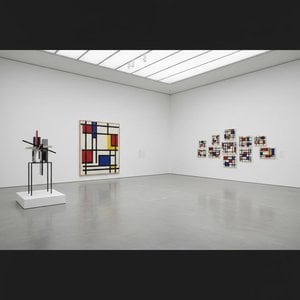
The Architect of Abstraction: A Life in Geometric Harmony
Theo van Doesburg, narodený Christian Emil Marie Küpper v roku 1883 v Utřici, Holandsko, bol viac než len maľiar – stal sa revolučnou silou, ktorá zásadne premenila základy modernej umenia. Jeho cesta začínala medzi dozvukmi impresionizmu a postimpresionizmu, spočiatku odrážajúc štýly podobné Vincentovi van Gogghovi – nielen v témach, ale aj v emocionálnej intenzite. Avšak tento skorý štádium slúžilo ako kľúčová záležitosť, nevyhnutný prechod k radikálnemu zmeneniu, ktoré definovalo jeho trvalé dedičstvo. Kľúčový moment nastal v roku 1913 s stretom s Kandinským a jeho *Rückblicke*. Tento text vyvolal v van Doesburgu hlbokú realizáciu: skutočné umelecké vyjadrenie nespočíva v replikovaní vonkajšieho sveta, ale v prenášaní vnútorného, duchovného priestoru prostredníctvom čistej abstrakcie. Toto presvedčenie prinieslo Neoplasticizmus – hnutie, ktoré založil a s vášňou obhajoval, stáva sa jeho najväčším zástupcom.
Forging a New Visual Language: The Principles of De Stijl
De Stijl nebolo len umelecký štýl; bolo to komplexný filozofický manifest preložený do vizuálnej podoby. Van Doesburg veril v odstraňovanie umenia k jeho najzákladnejším elementom – priamych líniách, pravých uhlov a základným farbám červenej, žltej a modrej, spolu s čiernou, bielou a šedou. Tento skromný farebný rozsah nebol výsledkom obmedzenia, ale túžbou po univerzálnosti – presvedčením, že tieto základné tvary rezonujú s podzákladným kozmickým poriadkom. Videl *celé* umenie, ktoré sa rozširuje za plátno aj do architektúry, dizajnu a dokonca každodenných predmetov. Spolupráca bola kľúčová; van Doesburg úzko spolupracoval s architektmi ako J.J.P. Oudom a Gerritom Rietveldom, navrhoval vitráže, nábytok a celé interiéry, ktoré odôvodňovali princípmi De Stijl. Jeho spolupráce sa rozširovali aj na ďalších umelcov, ako Piet Mondrian, s ktorým vytvoril vplyvný periodik *De Stijl*, platformu pre šírenie ich myšlienok a podporu podobne zmyslenia umelcov. Napriek spoločným začatkom však vznikol medzi van Doesburgom a Mondrianom rozkol ohľadom prísnosti Neoplasticizmu. Van Doesburg v roku 1926 predstavil “Elementarizmus”, ktorý zavádzal diagonálne čiary a dynamickejšiu kompozíciu – odchýlku, ktorá nakoniec viedla k rozkolu v rámci hnutia.
Beyond Painting: A Multifaceted Artistic Vision
Aj keď je oslavovaný ako maľiar, van Doesburgove umelecké úsilie bolo mimoriadne rozmanité. Bol prolificným spisovateľom, poetom a kritikom, používal svoj pióro na vyjadrenie teoretických základech De Stijl a prekonávanie konvenčných vnímania umenia. Jeho zapojenie do Dadaizmu na začiatku 20. rokov sa tiež rozširilo o jeho umelecké obzory, čo viedlo k experimentom s kolážami a typografiou. Táto éra priniesla aj jeho učiteľskú činnosť na Bauhaus, kde zdieľal svoje myšlienky s novou generáciou umelcov a dizajnérov. Nebol spokojný len v rámci tradičných umeleckých foriem; van Doesburg aktívne hľadal integráciu umenia do každodenného života, veril, že má moc transformovať spoločnosť. Jeho návrhy interiérov a nábytku neboli len estetické cvičenia, ale pokusy o vytvorenie harmonických priestorov, ktoré odôvodňovali princípmi De Stijl. Príkladom je jeho spolupráca s Sophie Taeuber-Arp a Georges Vantongerloo na navrhovaní umeleckých rezidencií, čo predstavuje holistický prístup k umeleckému tvoreniu – pokus o postavenie *sveta* v obraze svojich ideálov.
Key Influences and Developments
Van Doesburg bol ovplyvnený mnohými umelcami a hnutiami, vrátane Vincenta van Gogha, ktorý mu poskytol prvotný štýl a emocionálnu intenzitu, a Wassilyho Kandinského, ktorý ho navždy zmenil v abstrakciu. Jeho presvedčenie o univerzálnosti geometrických tvarov a základných farieb bolo ovplyvnené filozofiou a architektonickou praxou. Počas svojho pobytu v Berlíne a Viedni v 20. rokoch sa stretol s najvýznamnejšími predstaviteľmi avantgardy, ako boli Pablo Picasso, Franz Marc a Max Beckmann. Jeho štúdium Bauhaus v roku 1923 ho ovplyvnilo jeho chápaním moderného dizajnu a architektúry.
Major Achievements and Lasting Impact
Van Doesburg zanechal po sebe rozsiahle dielo, ktoré sa vyznačuje jasnými geometrickými tvarmi, základnými farbami a minimalistickým prístupom. Jeho najvýznamnejšie diela zahŕňajú:
- Study for Simultaneous Compositions XXII (1922): Ikona Neoplasticizmu, ktorá ukazuje hnutie’s signature geometrické tvary a obmedzenú farebnú paletu.
- Composition with half values (1928): Demonštruje van Doesburgov experiment s tónovými variáciami v rámci estetiky De Stijl.
- Dancers (1917-1918): Prechodný štádium jeho tvorby, ktorý spája figuratívne prvky s nástupom abstrakcie.
- Collaboration on *De Stijl* journal: Kľúčová platforma pre šírenie myšlienok hnutia a podporu dialógu medzi umelcami a intelektuálmi.
- Elementarism (1926): Van Doesburgov pokus o vniesenie dynamiky do Neoplasticizmu, ktorý zavádza diagonálne čiary a dynamickejšiu kompozíciu.
Van Doesburgova inštancia má nespočetný vplyv na moderný dizajn – od architektúry a nábytku po grafický dizajn a typografiu. Zostáva kľúčovou postavou v dejinách umenia, pravým pionierom, ktorý sa odvážil zpochybniť konvencie a predstaviť nový vizuálny jazyk pre 20. storočie a ďalej. Jeho dedičstvo žije v priamych líniách a základných farbách.



 Náhľad v interiéri
 Kúpiť ručne maľovaný obraz
 Odoslať ako digitálnu kartu
 Zdieľať
 Podrobnosti o dielo
 Príručka

 Stiahnuť obraz
 Podobné položky
 RTG skúška
 Prehliadanie diapozoje
 Q&A
Q&A Štatistiky


 Zobraziť viac






































 Možnosť skla je dostupná len pri rozmeroch pod 110 cm