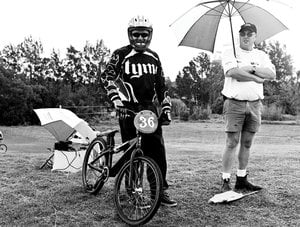
Ručne maľovaný olej na plátne vo vašej zvolenej veľkosti a v ráme, vyrobený na mieru našimi umelcami. ( Kúpiť tlač Kúpiť obrázok)
Vyberte si z našich preddefinovaných rozmerov, ktoré zodpovedajú pôvodným pomeroḿ diela.

Môžete zadať vlastné rozmery tak, aby sa hodili do konkrétneho rámu alebo priestoru. Ak sa váš zvolený rozmer nezhoduje s pôvodnými proporciami obrazu, dielo buď orezáme, alebo ho doplníme ručne maľovanými prvkami. Pred začiatkom výroby vám zašleme digitálny náhľad na schválenie.
Upozorňujeme, že ukážka na obrazovke neodráža skutočné orezanie alebo doplnenie. Skutočnú finálnu kompozíciu zobrazuje iba digitálny náhľad.
Hoci sú k dispozícii vlastné rozmery, odporúčame vybrať rozmer z preddefinovaného zoznamu, aby sme zachovali pôvodné proporcie.
Celosvetová doprava () za 3 až 4 týždne namiesto štandardných 5 týždňov. (7 september). Bez kompromisov v kvalite.


USA
Veľkosť reprodukcie

The story of the Richmond Times-Dispatch is far more than a chronicle of journalistic endeavor; it’s a vibrant tapestry woven into the very fabric of Virginia's history. Emerging from the complex social and political landscape of the 19th century, the paper has evolved from a staunchly partisan voice to become the state’s primary newspaper of record. Its journey reflects not only the changing face of journalism but also the tumultuous shifts in American society itself.
The roots trace back to 1850 with the establishment of the Richmond Dispatch, founded by James A. Cowardin and William H. Davis as a rival publication to the Richmond Compiler, which had previously merged with The Times but ultimately failed in 1853. Quickly gaining prominence, the Dispatch boasted a circulation that tripled its competitors by 1852, fueled by aggressive advertising and a clear editorial stance. Cowardin’s brief foray into Virginia politics as a Whig delegate underscored the paper's growing influence, though it was overshadowed by the looming shadow of the Civil War.
As the nation fractured, the Dispatch became an unwavering voice for the Confederacy. Its pages throbbed with pro-slavery rhetoric, denouncing Union soldiers in fiery terms and documenting the war’s progress—or lack thereof—with a passionate intensity. The paper's survival through the conflict was a testament to its dedication, even as it faced immense challenges, including running the Union blockade to secure new presses from England in 1864. The April 1, 1865 issue marked a poignant end to wartime reporting, followed by the devastating fire that consumed Richmond and the paper’s offices alongside much of the city.
The resilience of the Dispatch was remarkable; it rose from the ashes in December 1865, establishing a new headquarters on 12th and Main Streets. This rebirth coincided with the tumultuous era of Reconstruction. Initially opposing the Ku Klux Klan, the paper later accepted its advertising—a reflection of its complex relationship with the changing political climate and its resistance to Congressional policies. The eventual acceptance of the revised state constitution, even after anti-Confederate provisions were removed, signaled a gradual shift in perspective.
The late 19th and early 20th centuries witnessed a period of consolidation. The merger with The Times, forming the Richmond Times-Dispatch, solidified its position as the dominant newspaper in Richmond. Under the leadership of figures like Henry K. Ellyson, who briefly served as mayor during a period of intense political strife known as the “Municipal War,” the paper navigated complex local issues and continued to expand its reach throughout Virginia.
By the mid-20th century, the Richmond Times-Dispatch had firmly established itself as "Virginia’s News Leader," serving not only the capital city but also rural regions lacking robust local news coverage. Its circulation steadily grew, becoming second only to Norfolk's The Virginian-Pilot. The paper’s commitment to comprehensive reporting and its role as a newspaper of record cemented its historical significance.
Today, the Richmond Times-Dispatch continues to adapt to the evolving media landscape. While embracing digital platforms with a growing subscriber base, it remains dedicated to its core mission: providing Virginians with accurate, insightful news coverage. The paper’s archives—a rich repository of historical photographs and articles—offer a unique window into the state's past, preserving moments of triumph, tragedy, and transformation.
The Richmond Times-Dispatch is not merely a newspaper; it's a living chronicle, a testament to the enduring power of journalism in shaping public discourse and preserving the collective memory of a state—and a nation.

Explore the profound artistry of black and white photography. From historical mastery to the interplay of light and shadow, discover how monochrome captures timeless emotion and form through a sophisticated lens of art history.

Explore the profound emotional depth of documentary photography art. Discover how collectors curate powerful historical narratives through museum-quality black and white prints and fine art reproductions that preserve humanity's most resilient moments.

Elevate your most cherished memories with WahooArt’s bespoke service. We transform your personal photos into breathtaking, hand-painted black & white oil masterpieces. Experience museum-quality craftsmanship and timeless elegance for your private collection. Discover the art of legacy.

Explore the profound evolution of contemporary photography through a connoisseur's lens. From monochrome mastery to digital innovation, discover how modern photographic works shape fine art collections and define our cultural legacy.

Explore the profound evolution of documentary photography through a cultural lens. From early social realism to modern visual narratives, discover how photographers have captured history, labor, and the human condition to redefine fine art.

 Náhľad
 Odoslať
 Zdieľať
 Podrobnosti o dielo

 Stiahnuť
 Podobné diela
 RTG skúška
 Prezentácia


 Zobraziť viac




































 Možnosť skla je dostupná len pri rozmeroch pod 110 cm