

Umelecké dielo zobrazené na tejto stránke je chránené autorským zákonom, čo znamená, že nemôžeme legálne vytvárať ani predávať jeho identickú reprodukciu. Táto ochrana je vymáhaná na základe medzinárodných dohôd, ako napríklad Bernská konvencia a národnými zákonmi, vrátane tých, ktoré sú stanovené v Autorské právo USA – Title 17. Všetky práva vyhradené.
Táto metóda plne dodržiava autorské práva, pretože nezahŕňa kopírovanie ani duplikovanie chráneného diela. Ide skôr o kreatívnu reinterpretáciu – nový obraz, ktorý je ovplybnený originálom, no nie je s ním identický.
Giclée tlač alebo plátno múzeálnej kvality s rýchlou výrobou a rôznymi možnosťami povrchovej úpravy. ( Kúpiť ručne maľovaný obraz Prepnúť na digitálny obraz)
Vyberte si z našich preddefinovaných rozmerov, ktoré zodpovedajú pôvodným pomeroḿ diela.

Zadajte šírku a výšku, ktoré potrebujete, aby sa reprodukcia hodila k vášmu rámu alebo stene. Print možno len orezávať, nikdy však nemennú veľkosť zvětšiť oproti pôvodnému obrázku, preto pri inom formáte stráca časť obrazu. Pred samotným vytlačiacím procesom vám pošleme digitálny náhľad na schválenie. Obrázok zobrazený na tejto stránke nezobrazuje reálny rez — len digitálny náhľad ukazuje presný výsledok.
Celosvetová doprava () do 2 týždňov namiesto štandardných 4 až 5 týždňov. (9 november)
Martial Attire
Veľkosť reprodukcie
Uvedený umelecký smer spojený s dielom „Martial Attire“ od Sun Pengzu je Contemporary Realism. Táto klasifikácia umiestňuje toto dielo medzi súvisiace umelcov a umelecké diela.
„Martial Attire“ od Sun Pengzu je zachytené s Muted saturáciou.
V rámci tvorby umelca Sun Pengzu sa dielo „Martial Attire“ radí do štýlu Contemporary Realism, pričom sprevádzajú ho témy ako classical & equestrian, chinese mythology echoes, darkness and brightness, gandhara's blended forms, qi dynasty stone study, heroic spirit imagery, pengzu's signature style, exploring material depth.

Initially named Sun Pengzu (彭祖), he was born into a family with imperial connections, the son of Sun He, a prince who had been sidelined by court politics. This early experience of marginalization profoundly shaped his worldview. Following the death of Emperor Jing in 264, driven by popular sentiment and a perceived need for an older ruler to guide Wu through turbulent times, he was thrust onto the throne. However, this elevation proved disastrous. Sun Hao lacked the strategic acumen, political finesse, and administrative skills necessary to govern effectively. He indulged in extravagant displays of wealth, prioritized personal pleasures over state affairs, and surrounded himself with sycophants who shielded him from reality.
Sun Hao’s artistic talent was evident early on. He received a thorough education, mastering the traditional arts of calligraphy, painting, and poetry. His most famous works are believed to be “Hero Song” (英雄歌) and “Martial Attire” (武衣), both rendered in meticulous pencil shading and hatching—a technique that emphasized texture and detail. "Martial Attire," depicting a horse with remarkable realism and symbolic weight, is particularly noteworthy for its use of grayscale tones to evoke a sense of mythic grandeur and the power of nature. The painting’s composition suggests a connection to Daoist philosophy, emphasizing harmony and balance—a stark contrast to the chaos that characterized his reign.
Sun Hao’s story serves as a cautionary tale about the dangers of incompetence, vanity, and a disconnect from reality. While he is remembered primarily for his disastrous reign, his artistic legacy offers a glimpse into the man behind the emperor—a skilled artist who, despite his flaws, possessed a keen eye for detail and an appreciation for beauty. His “Martial Attire” remains a testament to his talent, a poignant reminder of a lost empire, and a window into the complex world of Three Kingdoms art.

China

Immerse yourself in the timeless elegance of horse-drawn carriage masterpieces. Discover premium, hand-painted oil reproductions and expert art curation designed for the sophisticated collector. Elevate your space with the grandeur of equestrian history and fine craftsmanship.
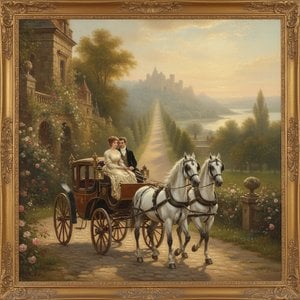
Embark on a visual journey through the romantic world of horse carriage art. Discover the mastery of equestrian oil paintings, from Impressionist textures to classical realism, and learn how to bring timeless elegance into your home with museum-quality reproductions.

Discover the breathtaking equestrian mastery of Sir Alfred James Munnings. Explore an art-history journey through his impressionistic captures of motion, light, and rural elegance, perfect for the discerning classic art enthusiast and collector.

Immerse yourself in the majesty of equestrian art. Discover museum-quality, hand-painted horse reproductions and bespoke commissions that capture the power and grace of the equine form. Perfect for discerning collectors seeking timeless elegance and unparalleled craftsmanship.

Explore the profound beauty of equestrian art. From the realism of Meissonier to impressionistic studies, discover how master techniques capture the noble spirit of the horse in fine oil reproductions and custom commissions.
 Náhľad v interiéri
 Odoslať ako digitálnu kartu
 Zdieľať
 Podrobnosti o dielo
 Príručka

 Stiahnuť obraz
 Podobné položky
 RTG skúška
 Prehliadanie diapozoje
 Otázky a odpovede
 Štatistiky

 Zobraziť viac






































 Možnosť skla je dostupná len pri rozmeroch pod 110 cm


