Spencer Gore (1878 – 1914): Pionier Camden Town
Spencer Frederick Gore bol britský maliar, ktorý sa vyduel medzi najvýznamnejšie postavy čoraz rozrastajúcej sa skupiny Camden Town Group, čo predstavovalo kľúčový moment v britskom umení začiatku dvadsiateho storočia. Narodený 26. mája 1878 v Epsom, Surrey, pochádzal z rodiny hlboko zasadené do umeleckej tradície – jeho otec, Spencer Gore (tenisový šampión Wimbledonu), bol sám maliarom, a jeho brat Charles Gore bol teológom, čo vytvorilo prostredie napĺňajúce kreativitu a intelektuálnu zvedavosť. Goreho formujúce roky formovala škola Harrow, kde si precvičoval svoje pozorovacie schopnosti predtým, než si urobil formálne vzdelanie na Slade School of Fine Art spolu so súčasníkmi ako Harold Gilman, čím si upevnil svoje puto k impresionistickým ideálom.
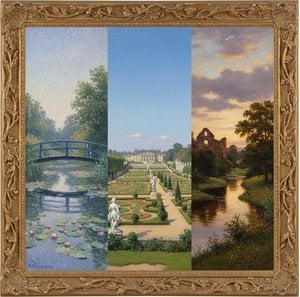
- Rané vplyvy: Goreho umelecká citlivosť bola hlboko ovplyvnená postimpresionistami, akými boli Claude Monet a Vincent van Gogh, ktorých skúmania farby a svetla slúžili ako odrazový kápo pre jeho vlastný, odlišný štýl.
- Skupina Camden Town: V roku 1904 viedol vznik skupiny Camden Town Group spolu s Walterom Sickertom, Lucienom Pissarrom, Haroldom Gilmanom a Charlesom Ginnerom – kolektívom zasadeným za zachytávanie atmosféry bohémskej londýnskej štvrte pomocou odvážnych ťahov štetcom a živých palet.
- Významné diela: Goreovo dielo zahŕňa pozoruhodnú zbierku krajín, scén z hudobných salónov a interiérov, ktoré sú charakteristické precíznosťou detailu a neochvakiteľným záväzkom k vykresľovaniu prírodnej krásy. Mimoriadne významné sú jeho tridsať dve plátna z Richmond Parku dokončené v posledných mesiacom jeho života – svedectvo jeho trvalej fascinácie anglickým vidieckym krajinným prostredím.
Technika a štýl: Objavovanie obrazovej konštrukcie
Goreho umelecký prístup sa odlišoval deliberate vnuknutím obrazovej konštrukcie, čo odzrkadľovalo štylistické inovácie presadzované impresionistami a postimrenionistami. Majstrovsky využíval techniky vrstvenia – často nanášal tenké glazúry na podkladové maľby – aby dosiahol luminózny efekt a vdechl svojim plátnom hĺbku a rezonanciu. Táto dôsledná pozornosť k detailu presahovala rámec čystej reprezentácie; Gore sa snažil vyjadriť nielen to, čo videl, ale aj to, čo cítil, čím odrážal emocionálnu intenzitu spojenú s zachytávaním prchavých okamihov skúsenosti. Jeho maľby, ako napríklad „Hartington Square“, exemplifikujú toto štylistické nasadenie a demonštrujú majstrovské ovládnutie farby a formy.
- Farebná paleta: Gore uprednostňoval harmonické palety dominované tlmenými zelenými, modrými a žltými tónmi – farbami, ktoré vyvolávali pokoj a veľkoleposť prírodného sveta.
- Ťahy štetcom: Jeho ťahy štetcom boli charakteristické fluidnosťou a spontánnosťou, zachytujúc dynamiku svetla a vzduchu a zároveň vyjadrujúc pocit nehy a kontemplácie.
Krajiny Richmond Parku: Odkaz pozorovania
Séria Richmond Park predstavuje Goreovo magnum opus – dojímavú kroniku jeho posledných rokov a trvajúci symbol britskej krajinárskej maľby. Tieto plátna, vytvorené s neotretiteľnou oddanosťou počas jesene 1913, zachytávajú éterickú krásu parku kúpeho v jesennom svetle. Výsledné obrazy sú preniknuté hmatateľným pocitom melancholie, no zároveň vyžarujú teplo a vitalitu, čo odráža Goreovo hlboké spojenie s jeho prostredím. Kurátorka Tate Helena Bonett uviedla, že Goreho smrť na zápal pľúc bola náhla, pričom za neba zanechal nedokončené majstrovské dielo – dôkaz jeho neúnavnej snahy o dosiahnutie umeleckej dokonalosti.
Frederick Gore: Syn a umvec
Goreov syn, Frederick John Pym Gore CBE RA (1913–2009), kráčal po stopách svojho otca ako maliar, pričom odzdedil jeho umeleckú víziu a etabloval sa ako rešpektovaná postava v britskom umeleckom svete. Podobne ako Spencer, absolvoval formálne vzdelanie na Ruskin School of Art a vyvinul si odlišný štýl zakorenený v principe impresionizmu – čo bolo priamym pokračovaním otcovho odkazu. Goreov vplyv sa však rozšíril aj za hranice jeho vlastnej tvorby; pôsobil ako učiteľ, ktorý odovzdával neoceniteľné poznatky budúcim umelcom a podporoval tradíciu pozorovania a expresívnej maľby, ktorá pretrvala celé generácie.



 Zobraziť v interiéri
 Prepnúť na tlač
 Odoslať
 Zdieľať
 Podrobnosti
 Príručkovo

 Stiahnuť
 Podobné položky
 RTG skúška
 Prehliadanie diapo\]
 Štatistiky


 Prečítať si viac






































 Možnosť skla je dostupná len pri rozmeroch pod 110 cm