Predávajte
x
NáhľadNáhľad AR náhľadAR náhľad Kúpiť tlač Kúpiť tlačKúpiť ručne maľovaný obraz Kúpiť ručne maľovaný obraz OdoslaťOdoslať
Podrobnosti o dieloPodrobnosti o dielo Pridať do obľúbených Pridať do obľúbených StiahnuťStiahnuť Podobné dielaPodobné diela RTG skúškaRTG skúška PrezentáciaPrezentácia

Untitled

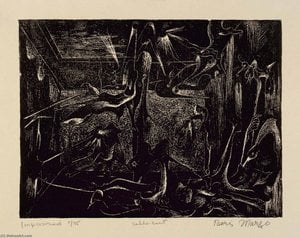
An intimate black and white etching by Somnath Hore capturing a poignant moment of human connection through masterful hatching, offering a profound glimpse into 20th-century social realism for your collection.

Somnath Hore (1921-2006) was an influential Indian sculptor & printmaker known for his poignant depictions of social realities, particularly the Bengal famine and Tebhaga movement. Explore his powerful sketches, sculptures, and prints reflecting 20th

Kúpte si digitálnu snímku vo vysokom rozlíšení s vylepšenými detailmi, ktorá je oveľa kvalitnejšia než online náhľad.

Každý súbor starostlivo pripravujú naši interní špecialisti pomocou pokročilých nástrojov a odborného manuálneho retušovania. Zabezpečujeme, aby každý obrázok disponoval výnimočnou čistotou, presnou farebnou vernosťou a jemnými detailmi.

Konečný súbor vám bude doručený e-mailom do 72 hodín, optimalizovaný pre okamžité použitie v profesionálnom, redakčnom aj tlačovom prostredí. Ide o rovnakú kvalitu, ktorej dôverajú špičkové dizajnérske štúdiá, vydavateľstvá a galérie.

Digitálny obraz

Stiahnite si vysokorozlíšený súbor na osobné zobrazovanie, tlačenie a kreatívne projekty. (Kúpiť tlač Kúpiť tlačKúpiť ručne maľovaný obraz Kúpiť ručne maľovaný obraz)

Celková cena

$ 24,90

Súčasťou každej objednávky digitálneho obrazu

Expetórne digitálne doručenie, garantované

Keď si vyberiete WahooArt.com, nedostávate len obrázok – získate profesionálne upravené digitálne umenie, vytvorené s precíznosťou a so zárukou vašej maximálnej spokojnosti. Tu je všetko, čo je súčasťou vašej objednávky automaticky:

shipping_icon
Rýchle doručenie e-mailom

Vaša vysokorozlíšená digitálna súprava obrázkov vám bude zaslaná e-mailom do 72 hodín od objednávky – pripravená na okamžité použitie.

canvas_icon
Digitálny súbor s vylepšením AI

Vaše dielo je profesionálne optimalizované pomocou pokročilých nástrojov umelej inteligencie a manuálnej editácie, čo zaručuje maximálnu úroveň detailov, čistotu a presnosť farieb.

insurance_icon
Bezplatné celoživotné opätovné doručenie

Náhodou ste zmazali alebo ste stratili svoj súbor? Nebavžte sa – pošleme vám ho kedykoľvek znova, úplne bez poplatkov.

tax_icon
Bez poplatkov za dovoz – navždy

Užite si svoje umelodelo okamžite bez colných poplatkov, daní alebo nákladov na dopravu – digitálne stiahnutia sú vždy oslobodené od dane.

color_icon
Garantovaná presnosť farieb

Pomocou profesionálnych nástrojov a farebného manažmentu zabezpečujeme, aby vaša digitálna fotografia čo najpresnejšie odrážala pôvodné farby.

return_icon
60-dňová záruka spokojnosti

Ak nebudete spokojní so svojou digitálnou fotografiou, upravíme ju alebo vám vrátime 100% v priebehu 60 dní – bez zbytočných otázok.

guarantee_icon
100% Záruka vrátenia peňazí

Nie ste spokojní? Získajte plnú náhradu peňazí do 60 dní od prijatia vášho digitálneho súboru – bez zbytočných otázok.

discount_icon
Zľavy pri veľkom odbere

Kúpte si 3 obrazy, ušetrite 10% - Kúpte si 5, ušetrite 15% - Kúpte si 10+, ušetrite 20%. Ideálne pre kreatívne projekty, galérie a agentúry.

Základné informácie

  • Subject or theme: Intimate human scene
  • Dimensions: 28 x 30 cm
  • Medium: Etching
  • Artistic style: Realism
  • Title: Untitled
  • Artist: Somnath Hore

Popis zberateľského predmetu

A Poignant Encounter in Etching

In this evocative black and white etching from 1978, the legendary Indian printmaker Somnath Hore invites us into a moment of profound human connection. The composition centers on an intimate, almost sacred embrace between two figures; a man, draped in what appears to be a simple robe or long shirt, cradles another person with a tenderness that transcends the starkness of the medium. This central interaction is framed by a quiet, domestic setting where a window and a wall provide a sense of enclosure, while a solitary potted plant in the lower corner introduces a delicate touch of nature into the somber scene. The interplay of light and shadow across the figures creates a palpable sense of weight and presence, drawing the viewer into the silent dialogue between the subjects.

The technical mastery of Hore is on full display through his signature use of meticulous hatching and cross-hatching. These fine, rhythmic lines do more than merely define form; they imbue the paper with texture and emotional depth, allowing the artist to sculpt light out of darkness. The etching technique lends a raw, visceral quality to the work, where every stroke feels like a deliberate mark of witness. This method is particularly effective in capturing the subtle nuances of the figures' expressions and the heavy atmosphere that surrounds them, making the piece feel less like a static image and more like a living, breathing fragment of history.

The Weight of History and Human Spirit

To understand this work, one must look through the lens of Somnath Hore’s profound engagement with the socio-political landscape of twentieth-century Bengal. As an artist who stood as a witness to the devastating Bengal famine and the turbulent Tebhaga movement, Hore’s oeuvre is deeply rooted in the reality of human suffering and resilience. While this specific untitled piece presents an intimate scene, it carries the echoes of his larger mission: to capture the essence of the human experience amidst hardship. The shadows within the etching can be seen as metaphors for the historical struggles that shaped his era, while the embrace serves as a symbol of enduring compassion and the strength found in solidarity.

For the discerning collector or interior designer, this reproduction offers more than just a visual element; it provides a soulful focal point for a curated space. The monochromatic palette and the sophisticated interplay of line work make it an ideal addition to a gallery wall or a minimalist study, where its quiet intensity can command attention without overwhelming the surroundings. Owning a piece that reflects such deep historical consciousness and technical brilliance allows one to bring a sense of gravity, empathy, and timelessness into a modern living environment.


Životopis umelca

The Witness of Bengal’s Turbulent Century

Somnath Hore (1921–2006) was far more than a mere creator of forms; he was a profound chronicler of the human condition, standing as an unflinching witness to the socio-imaginative upheavals of twentieth-century Bengal. His artistic journey was inextricably linked to the very marrow of social struggle, shaped by the devastating echoes of the 1943 Bengal famine and the defiant spirit of the Tebhaga peasant movement. Born in Chittagong, Hore’s early life was deeply colored by the political currents of his era. His affiliation with the Communist Party during his youth infused his work with a powerful socialist ideology, transforming his practice into a medium for documenting historical trauma and advocating for social justice. He did not merely observe history from the periphery; he translated the hunger, the resistance, and the resilience of the marginalized into a visual language that remains hauntingly relevant today.

The Architecture of Suffering and Technique

The technical brilliance of Hore’s oeuvre lies in his ability to translate visceral, often agonizing experiences into delicate, rhythmic textures. As a master of printmaking, he achieved legendary status through his command of lithography and intaglio, using these mediums to explore the depths of human vulnerability. He is perhaps most celebrated for his development of the unique pulp-print technique, a method that allowed him to imbue his work with a raw, tactile quality. This was most notably realized in his critically acclaimed Wounds series, where the very texture of the paper seemed to mirror the physical and emotional scars of the people he depicted. Through meticulous hatching and cross-hatching, Hore sculpted light out of darkness, using fine, rhythmic lines to create a sense of depth that was both aesthetically masterful and emotionally heavy. Whether through the starkness of a charcoal drawing or the intricate layers of an etching, his work captures a profound intimacy—a moment where the artist’s hand becomes a vessel for collective memory.

A Sculptural Legacy in Clay and Spirit

As his artistic vision matured, Hore expanded his dialogue with form, moving from the two-dimensional plane into the tactile, three-dimensional world of sculpture. Utilizing stoneware clay and bronze, he brought a contorted, expressive energy to his figures, echoing the tension and endurance found in his earlier prints. This transition allowed him to explore the weight and presence of the human body in space, imbuing his sculptures with a humanist sensibility that was both grounded in realism and elevated by poetic expression. His later years were deeply rooted in the academic and creative community of Santiniketan, where he headed the Graphics and Printmaking Department at Kala Bhavan. Working alongside luminaries such as K.G. Subramanyan and Ramkinkar Baij, Hore helped shape the trajectory of modern Indian art. His legacy remains a testament to the power of art to serve as both a mirror to society’s darkest moments and a celebration of the indomitable human spirit.
Somnath Hore

Somnath Hore

1921 - 2006 , India

Základné informácie

  • Artistic Movement Or Style: Social realism
  • Date Of Birth: 1921
  • Full Name: Somnath Hore
  • Nationality: Indian
  • Notable Artworks: ['Untitled']
  • Place Of Birth: India