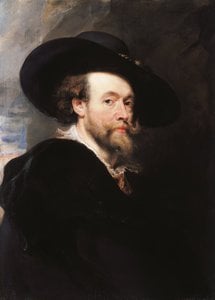
Biografia umelca
Sir Peter Paul Rubens: A Baroque Master Forged in Drama and Color
Peter Paul Rubens, meno známe ako Rubens, bol oveľa viac než len maliar – bol diplomat, učenec a umelecký architekt, ktorý zásadne zmenil umelecký krajinu 17. storočia v Európe. Narodenie v Siege v roku 1577 bolo pre neho začiatkom života plného prehier a osudových momentov. Jeho otec, Jan Rubens, právnik utečiac s Calvinistickými názormi, rodinu vyviedol z ich pôvodného prístanku v Antverpách, pod španielskou nadvládou. Tento prvý exil nechal na mladom Petrovi Paulovi hlbokú stopu – podtón dramatičnosti a emocionálnej hĺbky sa začal prejavovať v jeho tvorbe. Po smrti otca v roku 1587 sa rodina vrátila do Antverp, kde získal humanistické vzdelanie a okolo roku 1590 začal s umeleckou praxou, ako učeník Tobiasa Verhaechta a Adama van Noorta, kde zdokonalil základy kreslenia a maľby. Jeho čas pod vedením Otta van Veeňa však bol zásadný – predstavil mu bohaté dedičstvo talianskych renesančných umelcov, s ktorými sa rozhodol hlboko spojiť.
The Italian Awakening and Artistic Synthesis
V roku 1600 sa Rubens vydal na transformačnú cestu do Talianska, púhru, ktorá zásadne ovplyvnila jeho umelecké videnie. Po osemnásť rokov sa nepretržite ponáhal v majstrovských dielach Michelangeloa, Rafaela a Titiana, absorboval ich zručnosť v forme, farbe a kompozícii. Vplyv týchto renesančných velikánov je jasne viditeľný v jeho skorých talianskych prácach, charakterizovaných klasickými tématikami a idealizovanými postavami. Rubens však nešiel len kopírovať – spájal tieto vplyvy so svojou vlastnou talentom, rozvíjali jedinečný štýl, ktorý sa vyznačoval živými farbami, dynamickými kompozíciami a smiešnym vyjadrením ľudského tela. Dôsledne študoval anatómia, čo viedlo k tomu, že jeho postavy mali fyzickú reálnosť a emocionálnu hĺbku – robustné telá naplnené životom a pohybom. Tento čas bol však viac než len umelecký rozvoj; bol to hlboké intelektuálne probdnutie, ktoré podporovalo vážnu obhajobu klasickej mytológie a literatúry, ktoré sa stali opakujúcimi sa motívmi v jeho dielach. Po návrate do Antverp v roku 1608 sa Rubens rýchlo etabloval ako vedúci umelec svojho času, čo potvrdzuje nablízky prúd objednávok, ktorý svedčil o jeho rastúcej povesti a pevnej pozícii na čele flamského umenia.
A Master of Many Forms: Painting Beyond Boundaries
Rubensova umelecká produkcia bola úžasne rozmanitá a rozsiahla. Nevylučoval si jedinečný žánr; namiesto toho vynikal v histórijské maľbe, mytologických scénoch, portrétoch, krajinách a náboženských prácach – čo je dôkazom jeho všestrannosti a neobmedzenej kreativity. Jeho rozsiahle plátna, často určené pre kostoly, paláce a verejne priestory, boli nádherné ukážky technickej zručnosti a dramatického rozprávačstva. Zosnutie z kríža (c. 1612-1614) je príkladom jeho mistrovského ovládania svetla a tieňa na vytvorenie scény hlbokej emocionálnej intenzity, vtáča diváka do srdca rozprávky. Zosnutie z kríža (c. 1612-1614) je príkladom jeho mistrovského ovládania svetla a tieňa na vytvorenie scény hlbokej emocionálnej intenzity, vtáča diváka do srdca rozprávky. Zosnutie z kríža (c. 1612-1614) je príkladom jeho mistrovského ovládania svetla a tieňa na vytvorenie scény hlbokej emocionálnej intenzity, vtáča diváka do srdca rozprávky. Zosnutie z kríža (c. 1612-1614) je príkladom jeho mistrovského ovládania svetla a tieňa na vytvorenie scény hlbokej emocionálnej intenzity, vtáča diváka do srdca rozprávky. Zosnutie z kríža (c. 1612-1614) je príkladom jeho mistrovského ovládania svetla a tieňa na vytvorenie scény hlbokej emocionálnej intenzity, vtáča diváka do srdca rozprávky. Zosnutie z kríža (c. 1612-1614) je príkladom jeho mistrovského ovládania svetla a tieňa na vytvorenie scény hlbokej emocionálnej intenzity, vtáča diváka do srdca rozprávky. Zosnutie z kríža (c. 1612-1614) je príkladom jeho mistrovského ovládania svetla a tieňa na vytvorenie scény hlbokej emocionálnej intenzity, vtáča diváka do srdca rozprávky. Zosnutie z kríža (c. 1612-1614) je príkladom jeho mistrovského ovládania svetla a tieňa na vytvorenie scény hlbokej emocionálnej intenzity, vtáča diváka do srdca rozprávky. Zosnutie z kríža (c. 1612-1614) je príkladom jeho mistrovského ovládania svetla a tieňa na vytvorenie scény hlbokej emocionálnej intenzity, vtáča diváka do srdca rozprávky. Zosnutie z kríža (c. 1612-1614) je príkladom jeho mistrovského ovládania svetla a tieňa na vytvorenie scény hlbokej emocionálnej intenzity, vtáča diváka do srdca rozprávky. Zosnutie z kríža (c. 1612-1614) je príkladom jeho mistrovského ovládania svetla a tieňa na vytvorenie scény hlbokej emocionálnej intenzity, vtáča diváka do srdca rozprávky. Zosnutie z kríža (c. 1612-1614) je príkladom jeho mistrovského ovládania svetla a tieňa na vytvorenie scény hlbokej emocionálnej intenzity, vtáča diváka do srdca rozprávky. Zosnutie z kríža (c. 1612-1614) je príkladom jeho mistrovského ovládania svetla a tieňa na vytvorenie scény hlbokej emocionálnej intenzity, vtáča diváka do srdca rozprávky. Zosnutie z kríža (c. 1612-1614) je príkladom jeho mistrovského ovládania svetla a tieňa na vytvorenie scény hlbokej emocionálnej intenzity, vtáča diváka do srdca rozprávky. Zosnutie z kríža (c. 1612-1614) je príkladom jeho mistrovského ovládania svetla a tieňa na vytvorenie scény hlbokej emocionálnej intenzity, vtáča diváka do srdca rozprávky. Zosnutie z kríža (c. 1612-1614) je príkladom jeho mistrovského ovládania svetla a tieňa na vytvorenie scény hlbokej emocionálnej intenzity, vtáča diváka do srdca rozprávky. Zosnutie z kríža (c. 161



 Zobraziť v interiéri
 Objednať ručne maľovanú reprodukciu
 Odoslať
 Zdieľať
 Podrobnosti
 Príručkovo

 Stiahnuť
 Podobné položky
 RTG skúška
 Prehliadanie diapo\]
 Štatistiky


 Prečítať si viac






































 Možnosť skla je dostupná len pri rozmeroch pod 110 cm