


Giclée tlač alebo plátno múzeálnej kvality s rýchlou výrobou a flexibilnými možnosťami povrchovej úpravy. ( Kúpiť ručne maľovaný obraz Kúpiť obrázok)





























Vyberte si z našich preddefinovaných rozmerov, ktoré zodpovedajú pôvodným pomeroḿ diela.

Môžete zadať vlastné rozmery, aby sa reprodukcia prispôsobila konkrétnemu rámu alebo priestoru. Ak zvolená veľkosť nebude zodpovedať proporciám originálu, dielo buď orežeme, alebo obraz rozšírime pomocou zrkadlenia či farebného doplnenia okrajov. Pred začatím výroby vám pošleme digitálnu ukážku na schválenie.
Máte na vedomí, že náhľad na obrazovke neodzrkadľuje skutočné orezanie alebo rozšírenie. Len digitálna ukážka presne zobrazí finálnu kompozíciu.
Hoci sú k dispozícii vlastné rozmery, pre zachovanie pôvodných proporcií odporúčame vybrať si rozmer z vopred definovaného zoznamu.
Celosvetová doprava () do 2 týždňov namiesto štandardných 4/5 týždňov. (7 september)


Holy Trinity
Veľkosť reprodukcie
The "Holy Trinity" painting, created by the renowned Flemish artist Peter Paul Rubens, is a testament to his skill in capturing the essence of religious devotion. This artwork depicts Jesus lying on a bed, surrounded by his mother Mary and John the Baptist. Two angels are positioned on either side of Jesus, adding a sense of serenity to the scene. In the background, another figure is visible, possibly an attendant or someone who witnessed this moment. The composition emphasizes the tender connection between these religious figures, highlighting their love and care for one another.
Rubens' use of oil on canvas creates a rich, vibrant atmosphere in the painting. His mastery of chiaroscuro is evident in the way light and shadow are used to draw attention to the central figures. The soft, gentle expressions on their faces evoke a sense of peace and tranquility. The technique employed is oil painting on canvas, evident in the rich textures and luminous colors. His pigments were ground in linseed oil, applied to a prepared canvas.
The "Holy Trinity" is part of a larger collection of artworks housed in the Museum Redentore in Venice, Italy. This museum is known for its impressive array of Italian art from various periods and styles. The painting reflects the Baroque period's emphasis on drama, emotion, and realism.
The scene conveys themes of grief, sacrifice, and divine compassion. Symbolically, it represents humanity’s need for redemption and the profound sorrow associated with Christ's death. The pyramidal structure of the composition creates stability and draws the viewer's eye to the central figures. The use of light and shadow enhances the emotional impact, creating a sense of intimacy and reverence.

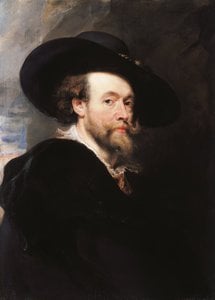
1577 - 1640 , Nemecko

Explore the dramatic brilliance of the Flemish Baroque movement. Discover how masters like Peter Paul Rubens utilized chiaroscuro and dynamic composition to redefine art history through light, shadow, and unparalleled emotion.

Explore the breathtaking drama of the Baroque era. From the mastery of chiaroscuro to epic mythological narratives, discover a definitive guide to art's most powerful period of light, shadow, and emotion for the true classical art enthusiast.

 Náhľad
 Odoslať
 Zdieľať
 Podrobnosti o dielo

 Stiahnuť
 Podobné diela
 RTG skúška
 Prezentácia

 Zobraziť viac







 Možnosť skla je dostupná len pri rozmeroch pod 110 cm


