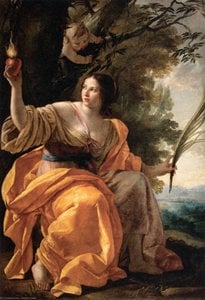
Oil On CanvasWallArtBaroque Painting
 1638
1638 57.0 x 42.0 cm
 Fitzwilliam College
Ručne maľovaný olej na plátne vo vašej zvolenej veľkosti a v ráme, vyrobený na mieru našimi umelcami. ( Kúpiť tlač Kúpiť obrázok)





























Vyberte si z našich preddefinovaných rozmerov, ktoré zodpovedajú pôvodným pomeroḿ diela.

Môžete zadať vlastné rozmery tak, aby sa hodili do konkrétneho rámu alebo priestoru. Ak sa váš zvolený rozmer nezhoduje s pôvodnými proporciami obrazu, dielo buď orezáme, alebo ho doplníme ručne maľovanými prvkami. Pred začiatkom výroby vám zašleme digitálny náhľad na schválenie.
Upozorňujeme, že ukážka na obrazovke neodráža skutočné orezanie alebo doplnenie. Skutočnú finálnu kompozíciu zobrazuje iba digitálny náhľad.
Hoci sú k dispozícii vlastné rozmery, odporúčame vybrať rozmer z preddefinovaného zoznamu, aby sme zachovali pôvodné proporcie.
Celosvetová doprava () za 3 až 4 týždne namiesto štandardných 5 týždňov. (7 september). Bez kompromisov v kvalite.


The Entombment
Veľkosť reprodukcie
Simon Vouet's "The Entombment," painted in 1635–1638, is not merely a depiction of a biblical scene; it’s an exquisitely rendered meditation on grief, faith, and the profound dignity of sacrifice. This monumental work, currently residing within the collection of the Fitzwilliam Museum in Cambridge, transcends its subject matter to become a powerful testament to the Baroque era's ability to evoke intense emotion through masterful technique and carefully considered symbolism. Vouet, a pivotal figure in bridging the gap between Mannerism and the burgeoning Baroque style in France, imbued this piece with the dramatic lighting and emotional depth that would define his career.
The painting immediately draws the viewer into a scene of palpable sorrow. Jesus Christ, recently taken from the cross, lies supine within a richly appointed tomb – a bed draped in luxurious fabrics, its details suggesting both earthly comfort and impending finality. The figures surrounding him are rendered with an almost sculptural quality, their bodies conveying a range of emotions: Mary Magdalene, her face etched with anguish, gently lays her head upon Christ’s chest; John the Evangelist kneels in prayer, his posture reflecting deep contemplation; while other mourners – including soldiers and attendants – stand as witnesses to this solemn event. Vouet's skill lies not just in capturing individual likenesses but in conveying the collective weight of grief that permeates the scene.
Vouet’s mastery of technique is evident in every brushstroke. He employed a layered approach, building up the image through numerous glazes – a hallmark of his style and one that contributes to the painting's luminous quality. The use of *chiaroscuro*, or dramatic contrasts between light and shadow, is particularly striking. The soft, diffused light emanating from an unseen source illuminates Christ’s body and the faces of the mourners, while plunging the tomb into a deeper darkness, symbolizing death and the unknown. This interplay of light and shadow not only creates a sense of drama but also directs the viewer's eye to the most important elements of the composition.
Furthermore, Vouet’s attention to detail is remarkable. The textures of the fabrics – the velvet, linen, and wool – are rendered with astonishing realism, as are the folds of Christ’s garments and the expressions on the faces of the figures. The artist's meticulous observation of anatomy and drapery reflects his extensive training in Italy, where he had spent much of his early career studying the works of masters like Titian and Veronese. The composition itself is carefully balanced, with a clear sense of depth and perspective that draws the viewer into the scene.
Beyond its technical brilliance, “The Entombment” is rich in symbolic meaning. The tomb itself represents not just death but also resurrection – the promise of eternal life offered through Christ’s sacrifice. The presence of Mary Magdalene, traditionally depicted as a repentant sinner, underscores the theme of redemption and forgiveness. The soldiers guarding the tomb symbolize earthly authority and the limitations of human power to prevent divine destiny. The bird perched atop the tomb, often interpreted as an angel or dove, represents hope and the arrival of the Holy Spirit.
Moreover, the painting’s emotional intensity speaks to a broader spiritual concern – the universality of suffering and the importance of compassion. Vouet's depiction of grief is not merely sentimental; it is profoundly moving, inviting viewers to contemplate their own experiences of loss and mortality. The scene resonates with the viewer on a deeply human level, reminding us of the enduring power of faith and the significance of acts of kindness and empathy.
“The Entombment” stands as a quintessential example of Baroque art – a fusion of technical virtuosity, dramatic emotion, and profound symbolism. Simon Vouet’s ability to capture both the physical beauty of his subjects and the depth of their emotional experience is truly remarkable. Reproductions of this masterpiece offer an opportunity to bring its elegance and spiritual resonance into any setting, serving as a poignant reminder of humanity's shared journey through life and death.

Simon Vouet, narodený v Paríži 9. januára 1590 a zomretý 30. júna 1649 v tom istom meste, je dnes uznávaný ako kľúčová postava vo vývoji francúzskeho maliarstva. Jeho meno sa spája s prechodom od manierizmu k dynamickému a expresívnemu štýlu baroka, ktorý ovplyvnil celé generácie umelcov. Pochádzal z rodiny zasvätenej umeniu – jeho otec Laurent bol tiež maliarom a brat Aubin sa venoval podobnej umeleckej dráhe – čo mu umožnilo od útleho veku dychtiť po poznaní a rozvíjať svoj talent pod ich vedením. Neskôr, jeho vnuk Ludovico Dorigny pokračoval v rodinnej umeleckej tradícii, čím upevnili Vouetovo dedičstvo.
Vouetova kariéra začala s portrétmi, kde sa prejavil jeho raný talent. Už ako štrnásťročný podnikol cestu do Anglicka na základe objednávky, čo naznačovalo jeho rýchlo rastúcu povesť. Neskôr nasledovala cesta cez Osmanskú ríšu a až do Benátok v roku 1612, kde sa ponoril do bohatého kultúrneho prostredia. Najvýznamnejšou etapou jeho formovania však boli trinásť rokov strávené v Ríme (1614-1627). Tieto roky boli pre neho transformačné – stal sa súčasťou pulzujúcej umeleckej scény, ktorá bola srdcom rozvíjajúceho sa baroka. V Ríme sa učil od majstrov ako Caravaggio, s ktorého dramatickým svetlom si oboznámil svoje obrazy, a študoval diela talianskych manieristov. Dôkladne analyzoval farebné palety a techniku di sotto in su (perspektívu zdola nahor) od Paola Veroneseho. Inšpiráciu čerpal aj z tvorby Carracciho, Guercina, Lanfranca a Guido Reniho, pričom postupne syntetizoval tieto rôznorodé vplyvy do svojho vlastného, jedinečného umeleckého štýlu.
Vouetova rímska kariéra vyvrcholila jeho voľbou za prezidenta prestížnej Accademia di San Luca v roku 1624, čo potvrdzovalo jeho majstrovstvo a uznanie v talianskom umeleckom svete. Jeho štýl sa vyznačoval schopnosťou absorbovať a spracovať rôzne umielecké vplyvy, pričom ich integroval do koherentnej a výrazne talianskej barokovej estetiky. V roku 1627 ho francúzsky kráľ Ľudovít XIII. zavolal späť do Francúzska, kde sa stal Premier peintre du Roi (Prvým maliarom kráľa) – pozíciou s obrovskou prestížou a vplyvom. V Paríži sa rýchlo etabloval ako dominantná sila, vytvárajúc oltárne obrazy a alegorické výzdoby pre súkromných mecenášov.
Vouetova dielňa bola živnou pôdou pre celú školu francúzskych maliarov nasledujúcej generácie. Medzi jeho najvýznamnejších učeníkov patril Charles Le Brun, ktorý neskôr vytvoril všetky interiérové dekoratívne maľby vo Versailles a definoval oficiálny umelecký štýl na dvore Ľudovíta XIV., hoci v žiarosti nechal Voueta vyradiť z Kráľovskej akadémie v roku 1648. Okrem Le Bruna boli jeho učeníci Valentin de Boulogne, jeden z hlavných francúzskych „caravaggistov“, Pierre Mignard, Eustache Le Sueur, Nicolas Chaperon a flámsky umelec Abraham Willaerts. Vouetov vplyv presahoval rámec jeho vlastných prác; jeho študenti šírili jeho štýl a techniky po celej Francúzsku, čím položili základy charakteristickej barokovej školy maliarstva. Jeho odkaz je obzvlášť zreteľný vo veľkých dekoratívnych schémach objednaných Ľudvíkom XIV., kde sa jeho vplyv prejavuje v monumentálnosti a dynamike kompozícií.
Simon Vouet zostáva v dejinách umenia ako most medzi talianskym a francúzskym barokom. Úspešne preniesol dynamiku a grandióznu krásu talianskeho baroka do Francúzska, čím výrazne ovplyvnil umeleckú krajinu krajiny a zanechal trvalý odkaz na generácie umelcov.

1590 - 1649 , Francúzsko
Explore the life & art of Simon Vouet, a pivotal French Baroque painter who introduced Italian styles to France. Discover his masterpieces and lasting influence on 17th-century art.

Explore the dramatic world of Baroque art! Discover iconic artists like Caravaggio & Rubens, defining techniques, and its lasting impact on art history. Expert insights for collectors & enthusiasts at WahooArt.
Ponorte sa do sveta baroka! Objavte top 10 majstrovských diel od Caravaggia, Rembrandta a ďalších slávnych maliarov. Reprodukcie obrazov pre luxusný dekor vášho domova na WahooArt.com.

Explore the dramatic world of Baroque art! Discover iconic masters like Caravaggio & Rembrandt, their techniques, and the movement's lasting impact. Expert insights for collectors & enthusiasts at WahooArt.

Objavte nádheru barokového štýlu! Spoznajte jeho históriu, kľúčové prvky a inšpirujte sa tipmi pre váš domov. Kvalitné reprodukcie diel od .

 Náhľad
 Odoslať
 Zdieľať
 Podrobnosti o dielo

 Stiahnuť
 Podobné diela
 RTG skúška
 Prezentácia
 Zobraziť viac







 Možnosť skla je dostupná len pri rozmeroch pod 110 cm