NáhľadNáhľad AR náhľadAR náhľad Kúpiť ručne maľovaný obraz Kúpiť ručne maľovaný obrazPrepnúť na digitálny obraz Prepnúť na digitálny obraz OdoslaťOdoslať
Podrobnosti o dieloPodrobnosti o dielo Pridať do obľúbených Pridať do obľúbených StiahnuťStiahnuť Podobné dielaPodobné diela RTG skúškaRTG skúška PrezentáciaPrezentácia ŠtatistikyŠtatistiky

Kvetiny

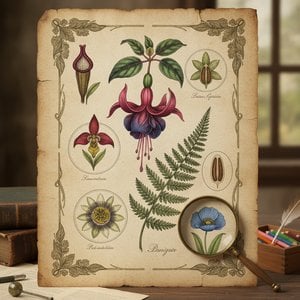
Simon Saint Jeanova Kvetiny sú nádherný obraz romantického umelca zobrazujúci pastelový záves kvetín v červenom váze – umelecké dielo z roku 1856. Pozrite si viac!

Simon Saint Jean (1743-1811) was a French painter known for his floral still lifes & works in churches like Sainte-Marie-Madeleine. Explore his art!

Giclée / Umenotlač

Giclée tlač alebo plátno múzeálnej kvality s rýchlou výrobou a flexibilnými možnosťami povrchovej úpravy. (Kúpiť ručne maľovaný obraz Kúpiť ručne maľovaný obrazPrepnúť na digitálny obraz Prepnúť na digitálny obraz)

P118B $10
P118H $10
P118W $10
P438Z $10
P508JH $12
P508YH $12
P805H $10
P805Z $10
P919BZ $10
P919G $10
P919XJ $10
P959ZH $10
P968JZ $12
W106C $8
W218G $10
W218JH $8
W218Y $10
W307PJ $10
W316G $10
W316PJ $8
W316Y $10
W398PJ $8
W4111J $10
W500HY $15
W500JH $15
W692G $12
W849H $8
W940BG $15
W953PJ $8

Štandardné
na mieru
CM
INCH

Vyberte si z našich preddefinovaných rozmerov, ktoré zodpovedajú pôvodným pomeroḿ diela.

šírka
výška

Môžete zadať vlastné rozmery, aby sa reprodukcia prispôsobila konkrétnemu rámu alebo priestoru. Ak zvolená veľkosť nebude zodpovedať proporciám originálu, dielo buď orežeme, alebo obraz rozšírime pomocou zrkadlenia či farebného doplnenia okrajov. Pred začatím výroby vám pošleme digitálnu ukážku na schválenie.
Máte na vedomí, že náhľad na obrazovke neodzrkadľuje skutočné orezanie alebo rozšírenie. Len digitálna ukážka presne zobrazí finálnu kompozíciu.
Hoci sú k dispozícii vlastné rozmery, pre zachovanie pôvodných proporcií odporúčame vybrať si rozmer z vopred definovaného zoznamu.

Celosvetová doprava () do 2 týždňov namiesto štandardných 4/5 týždňov. (12 september)

why_choose_icon
Bezplatná expresná doprava po celom svete
why_choose_icon
Prémiové lnianske plátno
why_choose_icon
Kompletné poistenie prepravy
why_choose_icon
Záruka vrátenia colného poplatku
why_choose_icon
Záruka presného farebného zhodnutia
why_choose_icon
100-dená politika vrátenia tovaru (iba pri vadách)
why_choose_icon
100% záruka vrátenia peňazí
why_choose_icon
Výhodná množstevná zľava

Celková cena

$ 68

reproduction

Kvetiny

Giclée / Umenotlač

Veľkosť reprodukcie

-

Celková cena za vybrané možnosti

$ 68

Základné informácie

  • Artist: Simon Saint Jean
  • Year: 1856
  • Influences: French Romanticism
  • Location: Hermitage Museum
  • Subject or theme: Floral composition
  • Title: Flowers
  • Artistic style: Still life

Kvíz o umení

Pri každej otázke je iba jedna správna odpoveď.

Otázka 1:
What artistic movement is Simon Saint Jean’s ‘Flowers’ considered to be?
Otázka 2:
Where was Simon Saint Jean born?
Otázka 3:
What medium did Saint Jean primarily use in his floral paintings?
Otázka 4:
Saint Jean’s work is characterized by its focus on:
Otázka 5:
What was Saint Jean's artistic training?

A Symphony of Petals: The Luminous World of Simon Saint Jean

In the grand tapestry of French art history, few threads are as delicate or as luminous as those woven by Simon Saint Jean. Known affectionately as "The Poet of Flowers," Saint Jean eschewed the turbulent landscapes and sweeping historical dramas that dominated his era, choosing instead to find the infinite within the infinitesimal. His masterpiece, "Flowers," painted in 1856, serves as a breathtaking window into the Romantic sentiment, where the botanical world is transformed into a profound exploration of virtue, spirituality, and the ephemeral nature of life. To gaze upon this work is to step into a quiet sanctuary, far removed from the noise of the industrial age, finding solace in the meticulous arrangement of nature's most exquisite offerings.

The composition of "Flowers" is a masterclass in balanced abundance. At its heart sits a vibrant red vase, acting as a bold anchor for a lush collection of roses, daisies, and carnations. This central arrangement is not merely a static display but a living, breathing moment captured in time. The artist’s eye wanders across the wooden table, where scattered yellow blossoms dance around the primary vessel, creating a rhythmic movement that guides the viewer through the scene. The inclusion of two smaller vases—one tucked near the top left and another resting toward the bottom right—adds a layer of visual depth and complexity, suggesting a larger, unseen garden from which these specimens were lovingly gathered.

Technique and the Mastery of Light

What distinguishes Saint Jean from his contemporaries is his uncanny ability to marry scientific botanical accuracy with an unprecedented emotional depth. Utilizing oil on canvas, he employed a technique that favored luminous effects over heavy, obscuring brushstrokes. He possessed a rare talent for manipulating light, allowing it to filter through the petals as if they were made of fine silk or translucent parchment. This creates an internal glow, an ethereal quality that makes the flowers appear to radiate their own soft light from within.

Every texture is rendered with painstaking precision; one can almost feel the velvety softness of the rose petals and the delicate, papery edges of the daisies. This commitment to realism does not result in a cold, clinical illustration but rather an evocative experience. By layering pigments to achieve these translucent effects, Saint Jean captures the very essence of life—the way light interacts with organic matter to create beauty that is both tangible and transcendent. For the collector or interior designer, this technique ensures that the artwork possesses a dynamic presence, changing character as the ambient light in a room shifts throughout the day.

Symbolism and Emotional Resonance

Beyond its undeniable aesthetic appeal, "Flowers" resonates with the deeper symbolic language of the Romantic movement. In the mid-19th century, flowers were far more than mere decoration; they were a vocabulary of the soul. The rose often whispered of love and passion, while the purity of the daisy spoke to innocence and virtue. Through this arrangement, Saint Jean invites the viewer into a meditative state, reflecting on the fleeting splendor of the natural world. There is a poignant beauty in the way he captures these blooms—at the very height of their perfection, yet inherently temporary.

For those seeking to bring a sense of tranquility and sophisticated grace into a living space, this painting offers more than just color; it offers an atmosphere. It is a piece that commands attention through its quietude rather than through volume. Whether placed in a sun-drenched morning room or a stately library, "Flowers" acts as a perennial spring, injecting a sense of organic vitality and timeless elegance into any interior design scheme. It remains a testament to the idea that true greatness is often found not in the monumental, but in the delicate, well-observed details of the world around us.


Biografia umelca

The Poet of Flowers: The Ethereal World of Simon Saint Jean

In the grand tapestry of French art history, few threads are as delicate or as luminous as those woven by Simon Saint Jean. Born in Millery, France, in 1743, Saint Jean emerged not as a painter of sweeping historical dramas or turbulent landscapes, but as a master of the miniature soul. His life, though marked early on by the profound tragedy of his father's untimely death, became a testament to the beauty found in the quietest corners of nature. This early encounter with loss perhaps instilled in him a deep reverence for the ephemeral, leading him to dedicate his life to capturing the fleeting splendor of the botanical world—a pursuit that would eventually earn him the poetic moniker, The Poet of Flowers.

His artistic journey was shaped by the rigorous academic traditions of his era. Seeking to refine his innate talent for drawing, Saint Jean entered the École de beaux-arts de Lyon, where he studied under the esteemed masters Pierre Révoil and Augustin Alexandre Thierriat. From these mentors, he absorbed the precision of Neoclassical idealism, yet he possessed a spirit that leaned toward the burgeoning Romantic movement. This unique duality allowed him to marry scientific botanical accuracy with an unprecedented emotional depth. His work was never merely a record of species; it was an exploration of the spiritual essence residing within every petal and stem.

Luminosity and Technique: A Master of Translucent Light

To gaze upon a Saint Jean original is to witness a mastery of light that transcends the medium itself. While many of his contemporaries relied on heavy brushstrokes and dramatic chiaroscuro to command attention, Saint Jean moved in the opposite direction. He favored a technique defined by meticulous observation and the use of translucent watercolor washes. By layering thin, delicate pigments, he allowed light to pass through the paint and reflect off the surface, creating an internal glow that made his floral arrangements appear almost self-illuminated.

His compositions are characterized by a sense of weightless grace. He eschewed the cluttered, dense still lifes common in the Baroque tradition, opting instead for arrangements that breathed with space and air. This technique allowed him to capture the subtle complexities of texture—the velvety softness of a rose, the waxy sheen of a lily, or the fragile transparency of a petal. Through this method, he transformed botanical illustration into a high art form, where the subject matter served as an emblem of virtue, spirituality, and the sublime beauty of the natural order.

Legacy and Historical Significance

The reach of Saint Jean’s influence extended far beyond the studios of Lyon, finding resonance within the highest echelons of French society. His ability to imbue nature with moral and religious symbolism caught the attention of significant patrons, most notably Louis XVIII, who commissioned a monumental watercolor of lilies for the church of Sainte-Marie-Madeleine. Such works solidified his reputation as an artist capable of expressing the divine through the earthly.

Even figures as controversial as the Marquis de Sade found a connection to his art, recognizing in Saint Jean’s delicate compositions a profound sense of contemplation and purity. His historical significance lies in this ability to bridge the gap between the scientific and the sentimental. As the centuries progressed, his work remained a vital link between the structured elegance of the 18th century and the emotive freedom of Romanticism. Today, the legacy of Simon Saint Jean lives on through his captivating floral still lifes, which continue to offer viewers a sanctuary of peace and a profound meditation on the fleeting beauty of life.

simon saint jean

simon saint jean

1743 - 1811 , France

Základné informácie

  • Artistic Movement Or Style: Court Memoirs
  • Artists Or Movements Influenced By This Artist: ['Charles François de Rouvroy']
  • Artists Who Influenced This Artist: ['Claude de Rouvroy, comte de Rasse']
  • Date Of Birth: 16 January 1675
  • Date Of Death: 2 March 1755
  • Full Name: Louis de Rouvroy, duc de Saint-Simon
  • Nationality: French
  • Notable Artworks: ['']
  • Place Of Birth: Paris, France
Preskúmajte umelecká diela usporiadané podľa tém, štýlov a charakteristík.