Early Life and Florentine Beginnings
Sandro Botticelli, narodený Alessandro di Mariano di Vanni Filipepi okolo roku 1445 v Florencii, Taliansku, sa objavil počas obdobia výnimočného kultúrneho rozmachu – raného renesansu. Jeho život bol hlboko zakorennený v umelckom a spoločenskom tkanine mesta; nikdy sa neotočil ďaleko od svojho susedstva Ognissanti, čo bolo dôkazom ako rodinných väziek, tak aj živého kreatívneho ekosystému, ktorý ho vychovával. Jeho otec, Mariano Filipepi, na začiatok zlatník a neskôr sklár, poskytol skoré vystavenie remeslu a precíznosti – kvality, ktoré hlboko ovplyvnili Botticelliho umelecký prístup. Hoci sa na začiatku uvádzalo, že bol trénovaný ako zlatník, čoskoro našiel svoje povolanie pod vedením Fra Filippo Lippiho, vedúceho maliara vtedajšieho obdobia. Toto učenie bolo zásadné, pretože ho ponorilo do techník a estetiky florentskej školy, zároveň však spojilo s vplyvnými patrónmi, ako bola rodina Medici.
A Style Defined by Grace and Myth
Botticelliho umelecký štýl je okamžite rozpoznateľný svojou lyrickou krásou, charakterizovanou elegantnou líniou, plynúcimi obrysmi a jemnou farbou. Mistorne prešiel cez neskorogotické tradície a rozvíjajúcu sa renesančnú estetiku, absorboval vplyvy majstrov ako Fra Angelico a Paolo Uccello, no vytvoril jedinečný osobný zrak. Jeho postavy majú éterickú kvalitu, často zobrazované s predlžitými proporciami a gráciou, ktoré vyjadrujú pokoj aj jemnú melanchóliu. Charakteristickým znakom jeho diel je časté zapojenie klasickej mytológie – odraz humanistických záujmov, ktoré sa šírili po florentskom renesansovom období. Nevyšie ilustroval tieto staroveké príbehy; vložil do nich nové vrstvy významu, skúmal témy lásky, krásy a duchovného túženia. Botticelli bol inovátor svojho času. Často používal metódu strieborného kreslenia podfarbujúc svoje plátna, čo prispievalo k ich lesku a jemnejšej detaily. Jeho technika tempery umožňovala presné vykreslenie a živé farby, zatiaľ čo jeho neskoršie experimenty s olejovými farbami rozšírili jeho vyjadrovacie možnosti.
Iconic Masterpieces and Artistic Development
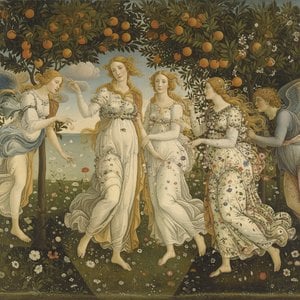
Botticelliho dedičstvo spočíva v niekoľkých ikonických obrazoch, ktoré dodnes fascinujú divákov. *Narodzenie Venúsy* (c. 1486), je možno jeho najznámejším dielom – alegorická reprezentácia bohyne Venúsy, ktorá symbolizuje renesančné ideály krásy a harmonie. Její elegantná kompozícia, jemná farebná paleta a sugestívne symbolické prvky ju učinili trvalým symbolom éry. Rovnako známe je *Primavera* (c. 1482), komplexný alegorický obraz oslavujúci jar a lásku, obsiahnutý symbolickými postavami z klasickej mytológie. Tieto diela ukazujú Botticelliho mistrovstvo v kompozícii, jeho schopnosť vytvárať atmosférickú hĺbku a jeho hlboké porozumenie ľudskej emócii. Jeho umelecká cesta prebiehala v rôznych fázach. Rané 1470-te roky boli venované kresťanským témam, kde zdokonalil svoje technické zručnosti a získal si reputáciu precízkosti. 1480-te roky predstavovali vrchol jeho kreatívnej činnosti s vytvorením jeho najznámejších mytologických obrazov. Avšak neskoré 1490-te roky boli poznačené zmenou v jeho štýle, ovplyvnenou intenzívnym prednášaním Girolama Savonarolu – dominikánskeho fráňa, ktorý odsudzoval to, čo považoval za dekadenciu a morálnu korupciu Florencie. Táto éra priniesla diela s výraznejším duchovým podtónom.
Major Works
- Narodzenie Venúsy (c. 1486): Ikónická reprezentácia, ktorá symbolizuje renesančné ideály krásy.
- Primavera (c. 1482): Komplexný alegorický obraz oslavujúci jar a lásku.
- Adoratio Magi (1475-1476): Ukazuje rané mistrovstvo v kompozícii a perspektive.
- Mystic Nativity (1501): Odôrazňuje zmenu smerom k duchovným témam v jeho neskoršej tvorbe.
Historical Significance
Počas svojho života Botticelli dosiahol významné uznanie a bol spájaný s najvplyvatejšími rodinami Florencie, najmä s rodinou Medici. Jeho diela boli považované za symbol krásy, harmonie a humanistických ideálov. Po jeho smrti v roku 1510 bol jeho umelecký talent postupne zabudnutý. Počasom nasledujúcich troch storočí bol jehoš práce zanedbávaná, zastínaná dielami majstrov vyššieho renesansu, ako boli Leonardo da Vinci a Michelangelo. V neskorých 19. rokoch však došlo k pozoruhodnému prehodnoteniu jeho diela s príchodom Pre-Raphaelitskej skupiny – skupiny britských umelcov a poetov, ktorí sa vzopreli akademickým konvenciám a hľadali inšpiráciu v umení raného talianskych majstrov. Boli očarení Botticelliho lineárnou gráciou, živými farbami a poéznym zrakom. Jeho diela boli znovu objavená ako odraz jedinečného umeleckého zmyslu. Dnes je oslavovaný pre svoju jedinečnú umeleckú vizi, mistrovskú techniku a trvalú schopnosť vyvolať krásu, emócie a duchovné úvahy. Jeho vplyv sa prejavuje v ďalších generáciách umelcov, ktorí hľadali rovnaký pocit grácie a elegancie vo svojom vlastnom dianí.



 Náhľad
 Kúpiť ručne maľovaný obraz
 Odoslať
 Zdieľať
 Podrobnosti o dielo

 Stiahnuť
 Podobné diela
 RTG skúška
 Prezentácia
 Štatistiky


 Zobraziť viac






































 Možnosť skla je dostupná len pri rozmeroch pod 110 cm