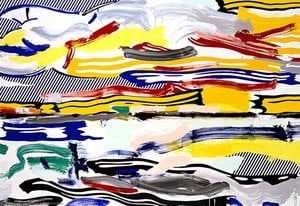
The Genesis of a Pop Visionary
Roy Fox Lichtenstein, narodený v pulzujúcom srdci New Yorku 27. októbra 1923, zásadne zmenil krajinu 20. storočia umenia. Ako kľúčová postava pop-artového hnutia sa nevenčil len odrážaniu svojej éry; aktívne ju skúmal a transformoval bežné obrazy na presvedčivé umelecké vyhlásenia. Jeho výchova v dobre situovanej židovskej rodine v New Yorku podnietila nielen kultúrnu povedanosť, ale aj skorú umeleckú zanietenosť. Detská obozrenie s múzeami a koncertmi, spojené s hlbokou láskou k jazzovej hudbe, položili základy kreatívnej duše, ktorá by prelomila tradičné vnímanie umenia. Hoci sa na začiatku svojej tvorby venoval realistickému kresleniu a maľbe, jeho formálne vzdelanie začalo v roku 1939 na Art Students League pod vedením Reginalda Marsh’a, nasledované štúdiami na Ohio State University – krátko prerušené vojenskou službou. Tieto skúsenosti poskytli rozsiahle technické základy, ktoré neskôr briljantne prepracoval prostredníctvom objektívneho prístupu k masovej kultúre a komerčnej estetike. Semienka jeho charakteristického štýlu neboli zasiate v svätých sálach umeleckej tradície, ale skôr v často prehliadanom svete bežných obrazov, najmä komiksov a reklamy.
Od Abstraktného Výtvarstva k Apropiácii: Kľúčová Zmena
Lichtensteinova skorá tvorba demonštrovala jasný záujem o abstraktné výtvarné umenie, odrážajúc dominantné estetické trendy po vojne. Avšak táto fáza bola prechodná, krok smerom k jeho revolučnému štýlu. Kľúčový moment nastal počas jeho pôsobenia na Rutgers University, kde sa stretol s Allanom Kaprowom, čím bol znovu rozobraný záujem Lichtensteina o prvotné pop-artové obrazy. Táto stretnutie vyústila do kritickej zmeny v jeho umeleckej dráhe, čo ho priviedlo k otázaniu ustanovených hraníc medzi „vysokým“ a „nízkym“ umením. Začal hľadať za hranicami subjektívneho vyjadrenia abstraktného výtvarného umenia, smerom k objektívnemu jazyku populárnej kultúry – konkrétne komiksov a reklamy. Rok 1961 bol prelomový s *Look Mickey*, dielom, ktorý odvážne adaptoval postavy z Disneyho komiksov, signalizujúc začiatok jeho charakteristického štýlu. Nebolo to len kopírovanie komiksov; bolo to umelecké preskúmanie, ktoré zdvihlo bežné obrazy na úroveň umenia. Nešiel len kópiovať komiksové scény; dôsledne ich reprodukoval pomocou techník, ktoré napodobňovali mechanické tlačiarstvo používané v reklamnej tvorbe – delikátny rozmer, ktorý prepojený s jeho koncepciou diela. Táto apropriácia nebola len oslavou spotrebiteľstva bez kritiky, ale skôr skúmaním jeho všadeprítomného vplyvu na americkú spoločnosť a výzva k tradičným umeleckým hierarchiám.
Jazyk Ben-Day Bodov a Silných Čiar
Lichtensteinova umelecká slovná zásoba je okamžite rozpoznateľná: výrazné, primárne farby, silné čierne obrysy a najmä Ben-Day body – technika priamo odvodená z mechanického reprodukcie komiksov. Tieto bodky neboli len dekoratívne; boli neodmyslitelnou súčasťou jeho koncepcie diela, reprezentujúce samotný proces masovej produkcie a výzvu k tradičnému dôrazu na umelcovu ruku. Jeho maľby často zveľadňovali detaily z komiksov do monumentálnej škály, núkali divákov konfrontovať estetické kvality umeleckej formy, ktorá je obvykle odmietnutá ako triviálna. Príklady sú *Whaam!* (1963), *Drowning Girl* (1963) a *Oh, Jeff…I Love You, Too…But…* (1964), ktoré sa stali ikonickými reprezentáciami Pop Artu, zachytávajúci obavy a túžby rýchlo sa meniacej spotrebiteľskej spoločnosti. Neboli to len znázornenia komiksových scén; boli to komentáre na témy vojny, romantiky a spoločenských očakávaní, filtrované prostredníctvom vizuálneho jazyka masmédií. Jeho cieľom bolo odstrániť akýkoľvek umelecký subjektivizmus, prezentovať svoje diela ako objektívne odôvodnenia americkej spoločnosti – zrkadlo, ktoré odráža jej vlastnú vyrábanú realitu. Delikátna plochosť a absencia maľbárskeho gesta ďalej zdôrazňovali toto oddelenie, napodobňujúc neformálnu povahu komerčného tlače.
Dielo a Trvalý Vplyv
Lichtensteinov vplyv sa rozprestiera ďalej ako len do oblasti maľby. Jeho inovatívna technika a apropriácia položili základy pre nové generácie umelcov, ktorí skúmali témy spotrebiteľstva, mediálne saturáciu a kultúrnu identitu. Predaj *Masterpiece* v roku 2017 za 165 miliónov dolárov potvrdil jeho postoj ako jedného z najúspešnejších amerických umelcov všetkých čias, no jeho dielo nie je definované len finančnou hodnotou. Zmenil tradičné vnímanie umeleckej autorskej právomoci a originalítu, čo núti k prehodnoteniu toho, čo predstavuje „umenie“. Jeho diela pokračujú v inšpirácii grafických dizajnérov, ilustrátorov a vizuálnych umelcov v rôznych disciplínach.
- Hlavné dosiahnutia: Pioneering Pop Art style; achieved international recognition with groundbreaking exhibitions.
- Významné diela: *Whaam!*, *Drowning Girl*, *Oh, Jeff…I Love You, Too…But…*, *Masterpiece*.
- Učiteľská kariéra: Influenced aspiring artists at SUNY Oswego and Rutgers University.
Lichtenstein zomrel 29. septembra 1997 a zanechal za sebou dielo, ktoré je dodnes relevantné a provokačné. Jeho umenie slúži ako silný dôkaz vplyvu masmédií a ich schopnosti formovať naše vnímanie reality. Neodrážal len svoju dobu; aktívne ju skúmal, zanechal nezmazovateľný odtlačok na histórii 20. storočia umenia a stále inšpiruje kritické dialógy o vzťahu medzi umením, kultúrou a obmenou.



 Zobraziť v interiéri
 Objednať ručne maľovanú reprodukciu
 Odoslať
 Zdieľať
 Podrobnosti
 Príručkovo

 Stiahnuť
 Podobné položky
 RTG skúška
 Prehliadanie diapo\]
 Štatistiky

 Prečítať si viac






































 Možnosť skla je dostupná len pri rozmeroch pod 110 cm