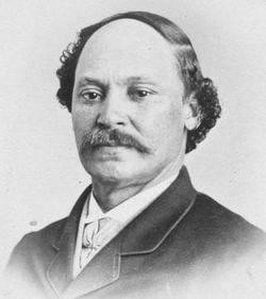
Biografia umelca
Robert Seldon Duncanson: Pionier amerického krajinárskeho umenia
Robert Seldon Duncanson, meno, ktoré rezonuje s umeleckou brilanciou a historickou dôležitosťou, sa stal v 19. storočí kľúčovou figúrou amerického umenia. Narodil sa okolo roku 1821 v Fayetteville v New Yorku, potomok európskeho a afroamerického pôvodu – jeho otec, John Dean Duncanson, slobodný čierny obchodník, ktorý prenášal hodnoty prácovitosti a vzdelania – navigoval sa svetom plným rasovej predsudkov, pričom zároveň dosiahol medzinárodné uznanie ako krajinár. Jeho život bol cestou sebavzájmu, neochrabného odhodlania a hlbokej spätnosti s prírodou, čím sa etabloval ako prvý afroamerický umelec, ktorý získal široké uznanie na obidvých amerických brehoch Atlantiku. Rodinná migrácia do Monroe v Michiganu priniesla mladého Roberta, kde bol učničenec v stolárstve a maľbe, čo odhalilo skorú zručnosť v umení, ktorá definitívne formovala jeho životný chod.
Od portrétov k panorámam
Duncansonovo umelecké dielo sa začalo portrétmi, praktickým prostriedkom na etablovanie sa ako profesionálny umelec. Avšak rozvíhajúci sa kultúrny život v Cincinnati v Ohio – meste známe ako „Athen of the West“ – ho v roku 1840 prizval a ponúkol príležitosti na rast a vystavenie, ktoré neboli k dispozícii inde. Väčšinou samovzdelaný, Duncanson si zlepšoval svoje zručnosti študovaním tlačín a gravúr, kreslením priamo z prírody a precíznym napodobňovaním diel uznávaných majstrov. Tento prísny prístup mu umožnil vyvinúť ostrý oko na detail a pozoruhodnú technickú zručnosť hoci nemal formálne vzdelanie. Práve v Cincinnati začal prechádzať k krajinám, prizvaný romantickými ideálmi a nádherou americkej divočiny. Vplyv Hudson River School sa postupne zdôrazňoval v jeho dielach, najmä evokujúce kompozície Thomasa Colea, ktorých dramatické znázornenia prírody rezonovali s Duncansonovou vlastnou umeleckou vnímaním. On však nešiel len kopírovať scény; interpretoval ich prostredníctvom jedinečného osobného prístupu, obohatil svoje plátna o pocit pokoja a duchovnej spojenia.
Cestovanie do Európy a medzinárodné uznanie
Kľúčovým bodom v Duncansonovej kariére bol rok 1853-1854 s dlhou cestou po Európe. Táto cesta mu poskytla neoceniteľnú skúsenosť s dielom európskych majstrov, rozšírila jeho umelecké obzory a zlepšila jeho techniku. Študoval starovekých majstrov, absorboval ich prístupy k svetlu, farbe a kompozícii, ktoré potom integroval do svojho vlastného jedinečného štýlu. Po návrate sa jeho diela ukázali ako nová sofistikovanosť a zrelosť, získali pozornosť nielen v Amerike, ale aj v Anglicku, Škótii a Kanade. Nasledovali výstavy, ktoré upevňovali jeho reputáciu ako umelca značnej kvality a videnia. Stal sa kľúčovou figúrou pri rozvoji Ohio River Valley krajinárskej tradície, zachytával pokojnú krásu regiónu s pozoruhodnou zručnosťou. Jeho maľby neboli len reprezentáciami miesta; boli to vyjadrenia nálady, atmosféry a majestátu prírody.
Vplyvy a inštrukcie
Duncansonovo dielo bolo ovplyvnené mnohými umelcami a prúdy. Najvýznamnejšími vplyvom boli Thomas Cole, Asher Brown Durand a John Frederick Kensett – predstavitelia Hudson River School, ktorí zdôrazňovali dramatické krajinné scény a romantickú atmosféru. Duncanson sa tiež inšpiroval európskymi majstrami, najmä talianskymi a francúzskymi impresionistami, ktorých techniky svetla a farby ovplyvnili jeho prístup k maľbe. Jeho diela často obsahujú jemné pastelové tóny a dlhé, tenké čiary, ktoré vytvárajú pocit vzdušnosti a vzdialenosti. Duncanson bol tiež známy svojím dôkladným štýlom a precíznym detailom, ktorý odrážal jeho vášeň pre prírodu a jeho schopnosť zachytiť jej jemné nuansy.
Dielo a historický význam
Robert Seldon Duncansonovo dielo ponúka viac ako len estetické potešenie; pozýva k zamyšľaniu nad témami prírody, spirituality a ľudského stavu. Jeho mistrčstvo v použití farieb, precízny detail a evokujúce kompozície vytvárajú pocit ponorenia, vtiahnu divákov do pokojnej krásy jeho krajín. Bol prvý afroamerický umelec, ktorý dosiahol široké uznanie na obidvých amerických brehoch Atlantiku, čím sa stal inšpiráciou pre budúce generácie čiernych amerických umelcov. Jeho úspech podkopával spoločenské normy a demonšroval moc umenia prekračovať predsudky. Hoci historici pokračujú v debatovaní o tom, ako jeho rasa ovplyvnila jeho umelecké vyjadrenie – niektorí naznačujú jemné symbolické reprezentácie rasových tém v jeho krajinách – nepoprie sa, že jeho životný príbeh je dôkazom odolnosti, talentu a trvalého ľudského ducha. Jeho pokojné výhliezky pokračujú v fascinovaní publika, pripomínajúc nám trvajúcu krásu prírody a pozoruhodný talent umelca, ktorý sa odvážil snívať za hranice obmedzení uložených mu jeho časom.
Záver
Duncansonovo dielo je mimoriadna ukážka amerického krajinárskeho umenia 19. storočia, ktoré si zaslúži pozornosť a rešpekt. Jeho prácu by mali prebadať aj ďalšie generácie umelcov a divákov.



 Náhľad
 Prepnúť na tlač
 Odoslať
 Zdieľať
 Podrobnosti o dielo

 Stiahnuť
 Podobné diela
 RTG skúška
 Prezentácia
 Štatistiky


 Zobraziť viac






































 Možnosť skla je dostupná len pri rozmeroch pod 110 cm