Zobraziť v interiéri Náhľad v AR Objednať ručne maľovanú reprodukciu Prepnúť na digitálnu verziu obrazu Odoslať
Podrobnosti Príručka Pridať do obľúbených Stiahnuť Podobné položky RTG skúška Prehliadanie diapo\] Štatistiky

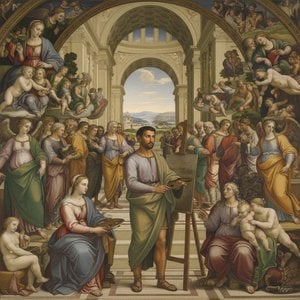
The parnassus (detail)7

Witness Raphael's mastery in 'The Parnassus (detail)'! This High Renaissance fresco captures classical mythology & musical beauty with vibrant colors & intricate detail – a Vatican masterpiece.

Rafaello Sanzio (1483-1520): Geniálny taliansky maliar, známy svojimi miernymi Madonňami a architektonickými dielami. Jeho umelecké diela sú ikonické a inšpiratívne! #rafaello #renesancomalba

Giclée / Umenotlač

Giclée tlač alebo plátno múzeálnej kvality s rýchlou výrobou a rôznymi možnosťami povrchovej úpravy. ( Objednať ručne maľovanú reprodukciu Prepnúť na digitálnu verziu obrazu)

Corner sample of the P118B picture frame: lisovaný polystyrén, 5 cm wide and 3 cm thick
P118B €10
Corner sample of the P118H picture frame: lisovaný polystyrén, 5 cm wide and 3 cm thick
P118H €10
Corner sample of the P118W picture frame: lisovaný polystyrén, 5 cm wide and 3 cm thick
P118W €10
Corner sample of the P438Z picture frame: lisovaný polystyrén, 5.5 cm wide and 3.5 cm thick
P438Z €10
Corner sample of the P508JH picture frame: lisovaný polystyrén, 7 cm wide and 3.5 cm thick
P508JH €12
Corner sample of the P508YH picture frame: lisovaný polystyrén, 7 cm wide and 3.5 cm thick
P508YH €12
Corner sample of the P805H picture frame: lisovaný polystyrén, 5 cm wide and 3.5 cm thick
P805H €10
Corner sample of the P805Z picture frame: lisovaný polystyrén, 5 cm wide and 3.5 cm thick
P805Z €10
Corner sample of the P919BZ picture frame: lisovaný polystyrén, 7 cm wide and 3.5 cm thick
P919BZ €10
Corner sample of the P919G picture frame: lisovaný polystyrén, 7 cm wide and 3.5 cm thick
P919G €10
Corner sample of the P919XJ picture frame: lisovaný polystyrén, 7 cm wide and 3.5 cm thick
P919XJ €10
Corner sample of the P959ZH picture frame: lisovaný polystyrén, 5 cm wide and 3 cm thick
P959ZH €10
Corner sample of the P968JZ picture frame: lisovaný polystyrén, 6 cm wide and 4 cm thick
P968JZ €12
Corner sample of the W106C picture frame: masívne drevo, 5 cm wide and 3 cm thick
W106C €8
Corner sample of the W218G picture frame: masívne drevo, 5 cm wide and 3 cm thick
W218G €10
Corner sample of the W218JH picture frame: masívne drevo, 5 cm wide and 3 cm thick
W218JH €8
Corner sample of the W218Y picture frame: masívne drevo, 5 cm wide and 3 cm thick
W218Y €10
Corner sample of the W307PJ picture frame: masívne drevo, 6 cm wide and 3 cm thick
W307PJ €10
Corner sample of the W316G picture frame: masívne drevo, 6 cm wide and 3 cm thick
W316G €10
Corner sample of the W316PJ picture frame: masívne drevo, 6 cm wide and 3 cm thick
W316PJ €8
Corner sample of the W316Y picture frame: masívne drevo, 6 cm wide and 3 cm thick
W316Y €10
Corner sample of the W398PJ picture frame: masívne drevo, 5 cm wide and 3 cm thick
W398PJ €8
Corner sample of the W4111J picture frame: masívne drevo, 6.5 cm wide and 3.5 cm thick
W4111J €10
Corner sample of the W500HY picture frame: masívne drevo, 7 cm wide and 5 cm thick
W500HY €15
Corner sample of the W500JH picture frame: masívne drevo, 7 cm wide and 5 cm thick
W500JH €15
Corner sample of the W692G picture frame: masívne drevo, 8 cm wide and 4 cm thick
W692G €12
Corner sample of the W849H picture frame: masívne drevo, 5 cm wide and 3 cm thick
W849H €8
Corner sample of the W940BG picture frame: masívne drevo, 7.5 cm wide and 4.5 cm thick
W940BG €15
Corner sample of the W953PJ picture frame: masívne drevo, 6 cm wide and 3.5 cm thick
W953PJ €8

Štandardné rozmery
na mieru
CM
INCH

Vyberte si z našich preddefinovaných rozmerov, ktoré zodpovedajú pôvodným pomeroḿ diela.

šírka
výška

Zadajte šírku a výšku, ktoré potrebujete, aby sa reprodukcia hodila k vášmu rámu alebo stene. Print možno len orezávať, nikdy však nemennú veľkosť zvětšiť oproti pôvodnému obrázku, preto pri inom formáte stráca časť obrazu. Pred samotným vytlačiacím procesom vám pošleme digitálny náhľad na schválenie. Obrázok zobrazený na tejto stránke nezobrazuje reálny rez — len digitálny náhľad ukazuje presný výsledok.

Celosvetová doprava () do 2 týždňov namiesto štandardných 4 až 5 týždňov. (25 október)

Bezplatná expresná doprava po celom svete
Vysokokvalitné lnianske plátno
Úplné poistenie prepravy
Záruka vrátenia colného poplatku
Záruka presného farebného zhodnutia
100-dená politika vrátenia tovaru (iba pri vadách)
100% záruka vrátenia peňazí
Ponuka množstevnej zľavy

Celková cena

€ 60

The parnassus (detail)7

Giclée / Umenotlač

Veľkosť reprodukcie

-

Celková cena

€ 60

Rýchle fakty

  • Subject or theme: Classical mythology
  • Location: Vatican Museums
  • Artistic style: Neoplatonic ideals
  • Title: The Parnassus (detail)
  • Influences:
    • Piero della Francesca
    • Plato

Kvíz o umení

Pri každej otázke je iba jedna správna odpoveď.

Otázka 1:
The painting ‘The Parnassus (detail)7’ primarily depicts:
Otázka 2:
The figure in the red hat with green leaves is most likely representing:
Otázka 3:
Considering Raphael’s artistic style and the context of the High Renaissance, what is a key characteristic of ‘The Parnassus (detail)7’?
Otázka 4:
The presence of leaves in the painting suggests:
Otázka 5:
Raphael’s work often drew inspiration from which classical tradition?

The Parnassus (Detail) by Raphael: A Window into Renaissance Ideals

Raphael’s “The Parnassus (detail)” offers a breathtaking glimpse into the heart of High Renaissance artistry, specifically as it manifests within the opulent setting of the Vatican Palace. This intricate fresco fragment, meticulously recreated in our hand-painted reproductions, isn't merely a depiction of mythological figures; it’s a carefully constructed allegory brimming with Neoplatonic philosophy and humanist ideals – a testament to Raphael’s mastery of composition, color, and psychological depth. The detail presented here focuses on the central figure, a man radiating an aura of serene contemplation as he gazes downwards, seemingly lost in thought amidst the vibrant chaos of the scene. His posture, his expression, immediately draws the viewer into this world of intellectual pursuit.

The painting’s genesis lies within the ambitious project commissioned by Pope Julius II to decorate the *Stanza della Segnatura* – a room intended as the papal library and a symbolic representation of the four branches of knowledge: philosophy, theology, poetry, and law. Raphael was tasked with creating a series of frescoes that would embody these disciplines, and “The Parnassus” served as the centerpiece, illustrating the realm of mythology and music, closely linked to philosophical contemplation. It’s crucial to remember that Raphael wasn't simply copying classical sources; he was actively engaging with them, imbuing them with a distinctly Renaissance sensibility – a blend of ancient wisdom and contemporary humanism.

A Symphony of Figures and Symbols

The fresco is populated by a remarkable array of figures: Apollo, the god of music and poetry, stands proudly at the center, playing his lyre; Mercury, messenger of the gods, flutes a panpipe; Thalia, goddess of comedy, holds a tympanum; and Calliope, muse of epic poetry, guides the composition with her caduceus. Each figure is rendered with exquisite detail, showcasing Raphael’s unparalleled skill in capturing human anatomy and emotion. Notice the subtle variations in their gestures, expressions, and clothing – elements that contribute to the overall dynamism and narrative complexity of the scene. The inclusion of musicians, poets, and philosophers underscores the fresco's central theme: the pursuit of knowledge and artistic inspiration.

Beyond the mythological figures, the painting is rich with symbolic details. The presence of a young man, partially obscured by Apollo, has been interpreted as representing the ideal artist – a figure dedicated to intellectual pursuits and creative expression. His downward gaze suggests introspection and a connection to the divine source of inspiration. The leaves scattered throughout the composition, particularly those visible on the right side of this detail, subtly evoke the natural world—a vital element in Renaissance thought, symbolizing harmony, growth, and the interconnectedness of all things. The use of color is equally significant; Raphael masterfully employs a vibrant palette to create depth, atmosphere, and visual interest.

Technique and Legacy

Raphael’s technique in “The Parnassus” exemplifies the High Renaissance ideal of *disegno*, emphasizing line and form over mere color. He employed meticulous layering of thin glazes of tempera paint on a gesso ground, creating surfaces that shimmer with luminosity and depth. The detail presented here highlights this careful attention to texture and modeling – particularly evident in the folds of the figures’ clothing and the intricate details of their instruments. His mastery of perspective and spatial relationships is equally impressive, drawing the viewer into the scene and creating a sense of immersive realism.

“The Parnassus” stands as one of Raphael's most celebrated works, alongside “The School of Athens,” and it profoundly influenced generations of artists. Its harmonious composition, balanced color palette, and profound symbolic content established a new standard for High Renaissance painting. The work’s enduring appeal lies in its ability to evoke a sense of intellectual curiosity, artistic inspiration, and the timeless pursuit of beauty – qualities that continue to resonate with viewers today. Our hand-painted reproductions strive to capture not just the visual appearance of this masterpiece but also the spirit and emotional depth that make it so profoundly moving.

Bringing “The Parnassus” into Your Space

Whether you’re an art enthusiast, a collector seeking a significant addition to your collection, or simply someone drawn to the beauty and elegance of Renaissance art, our hand-painted reproduction of Raphael's "The Parnassus (detail)" offers a unique opportunity to experience this iconic masterpiece firsthand. Each reproduction is created by skilled artisans using traditional techniques, ensuring that it faithfully captures the nuances of color, texture, and detail of the original fresco. Consider how this vibrant scene would complement your interior design – adding a touch of intellectual sophistication and timeless beauty to any room.

Explore Raphael’s ‘The Parnassus (detail)’ | Discover Raphael’s ‘The Parnassus’ detail – a stunning Renaissance fresco showcasing mythology & musical beauty.

Otázky a odpovede

Kde si môžem kúpiť digitálnu podobu diela „The parnassus (detail)7“ od Rafaello Sanzio?

„The parnassus (detail)7“ je k dispozícii ako stiahnutie digitálneho obrázka vo vysokom rozlíšení, ktorý si môžete zakúpiť priamo na jeho stránke Digitálna snímka.

Možno voľne reprodukovať obraz diela „The parnassus (detail)7“ od Rafaello Sanzio?

„The parnassus (detail)7“ od Rafaello Sanzio je v v verejnom vlastníctve – autorské práva vypršali. Tento stav určuje pravidlá pre reprodukciu obrazu tohto diela.

Patrí dielo „The parnassus (detail)7“ medzi významné diela smeru High Renaissance?

V rámci smeru High Renaissance má dielo „The parnassus (detail)7“ úroveň popularity Iconic.


Biografia umelca

Ranné roky a formovanie v Urbine

Raffaello Sanzio da Urbino, známy svetu ako Rafael, sa narodil v roku 1483 v malej, no intelektuálne pulzujúcej mestskej štáte Urbino. Jeho prvé roky boli hlboko ponorené do atmosféry, ktorá si cenila umeleckú zručnosť a humanistické vzdelanie. Jeho otec, Giovanni Santi, nebol len maliar zamestnaný vojvodom Federicom da Montefeltrom – bol to človek hlboko zapojený do prúdov renesančnej myšlienky, básnik, ktorý kronikoval život vojvodu a aktívne vyhľadával inovatívne umelecké nápady z celého Talianska. Toto ponorenie sa do dvorského prostredia, ktoré si cenilo rafinovanosť a intelektuálnu diskusiu, hlboko formovalo citlivosť mladého Rafaela. Smrť otca v jedenástich rokoch na neho vrhla zodpovednosť, no zároveň mu poskytla príležitosť zdokonaľovať svoje zručnosti v rodinnej dielni, absorbujúc techniky a tradície pod vedením miestnych umelcov. Už v týchto raných prácach sa začali objavovať jemná grácia a precízna pozornosť k detailom – znaky jeho vyspelého štýlu.

Cesta z Umbrie do Florencie: Absorbovanie nových vplyvov

Umelecká cesta Rafaela bola cestou neustáleho vývoja, poznačenou obdobiami intenzívneho štúdia a asimilácie. Jeho počiatočné vzdelávanie pod Petrom Peruginom v Perugii položilo pevný základ v umbrijskom štýle – charakterizovanom jemným modelovaním, harmonickými kompozíciami a pokojnými náboženskými scénami. Rafael však mal neuspokojiteľnú zvedavosť, ktorá ho poháňala hľadať nové výzvy a rozširovať svoje umelecké obzory. V roku 1504 cestoval do Florencie, mesta vtedy pulzujúceho energiou umeleckých inovácií. Tu sa stretol s majstrovskými dielmi Leonarda da Vinciho a Michelangela, umelcov, ktorí posúvali hranice maľby bezprecedentnými spôsobmi. Dôkladne študoval ich techniky – Leonardovo sfumato, jeho jemné prechody svetla a tieňa, a Michelangelovu silnú anatomickú presnosť a dramatické kompozície. Toto florentské obdobie bolo skúšobnou dobou pre Rafaela, nútilo ho čeliť novým umeleckým možnostiam a syntetizovať ich do svojej vlastnej jedinečnej vízie. Vplyv je viditeľný v zvýšenej dynamike a psychologickej hĺbke jeho prác z tohto obdobia, najmä v jeho sérii Madôn.

Rímsky triumf: Objednávky a majstrovské diela

V roku 1508 Rafael dostal predvolanie, ktoré by zmenilo priebeh jeho kariéry – pozvanie od pápeža Júliusa II. prísť do Ríma. Toto znamenalo začiatok jeho najproduktívnejšieho a oslavovaného obdobia. Večné mesto mu ponúklo bezkonkurenčnú príležitosť predviesť svoj talent vo veľkom rozsahu, zdobiť pápežské apartmány vo Vatikáne úchvatnými freskami. Školská akadémia, možno jeho najznámejšie dielo, je svedectvom jeho majsterstva kompozície, perspektívy a filozofickej alegórie. Vo svojom majestátnom priestore Rafael spojil postavy z klasickej antiky – Platóna, Aristotela, Pythaguora, Euklida – vytvárajúc živý tableau, ktorý oslavoval ľudskú rozumovosť a hľadanie poznania. Pokračoval v práci pre nasledujúcich pápežov, Lea X medzi nimi, podujal sa na monumentálne projekty ako dekorácia Stanze della Segnatura a Stanza d'Eliodoro. Jeho fresky v týchto miestnostiach nie sú len dekoratívne; sú hlbokými vyjadreniami pápežskej moci, náboženského presvedčenia a ideálov renesancie.

Syntéza grácie a veľkosti: Umelecký štýl Rafaela

Umelecký štýl Rafaela je často popisovaný ako harmonická zmes grácie, jasnosti a idealizovanej krásy. Mal mimoriadnu schopnosť syntetizovať rôznorodé vplyvy – umbrijskú tradíciu, florentské inovácie, klasickú antiku – do jedinečne vyváženej estetiky. Jeho kompozície sú dôkladne naplánované, prejavujú zmysel pre poriadok a proporcionalitu, ktorý odráža jeho hlboké porozumenie renesančným princípom. Jeho postavy vyžarujú pokojnú dôstojnosť a emocionálnu expresivitu, stelesňujúc humanistický ideál ľudskej dokonalosti. Bol tiež majstrom koloristom, používal bohaté, žiarivé odtiene na vytváranie diel, ktoré sú vizuálne podmanivé aj intelektuálne stimulujúce. Na rozdiel od často dramatického a turbulentného štýlu Michelangela vyžaruje práca Rafaela pocit pokoja a harmónie – kvalita, ktorá si získala obdiv publika po stáročia.

Odovzdané dedičstvo a trvalý vplyv

Predčasná smrť Rafaela v roku 1520 vo veku tridsaťsedem rokov prerušila kariéru plnú potenciálu. Jeho odkaz však pretrváva ako jedna z najvýznamnejších postáv v západnom umení. Jeho dielo sa stalo základným kameňom estetiky High Renaissance, slúžiacim ako model pre generácie umelcov. Hoci by vplyv Michelangela neskôr dominoval umeleckej diskurzu, dôraz Rafaela na jasnosť, harmóniu a idealizovanú krásu zažil renesanciu počas neoklasického obdobia, podporovaný kritikmi ako Johann Joachim Winckelmann. Dnes jeho maľby stále vzbudzujú úžas a obdiv, uchvacujú divákov svojou technickou brilantnosťou, emocionálnou hĺbkou a trvalým odvolaním. Jeho vplyv je vidieť v nespočetných umeleckých dielach, ktoré nasledovali, upevňujúc jeho postavenie ako skutočného majstra renesancie – maliara, ktorý zachytil nielen fyzickú podobu svojich subjektov, ale aj samotnú podstatu ľudskej grácie a dôstojnosti.

Rafaello Sanzio

Rafaello Sanzio

1483 - 1520 , Taliansko

Rýchle fakty

  • Artistic Movement Or Style: Vysoká renesancia
  • Artists Or Movements Influenced By This Artist: ['Neoklasicizmus']
  • Artists Who Influenced This Artist:
    • Leonardo da Vinci
    • Michelangelo
  • Date Of Birth: 6. apríl 1483
  • Date Of Death: 6. apríl 1520
  • Full Name: Raffaello Sanzio da Urbino
  • Nationality: Talian
  • Notable Artworks:
    • Školská akadémia
    • Sixtínska madona
  • Place Of Birth (City And Country): Urbino, Taliansko
Preskúmajte umelecká diela usporiadané podľa tém, štýlov a charakteristík.