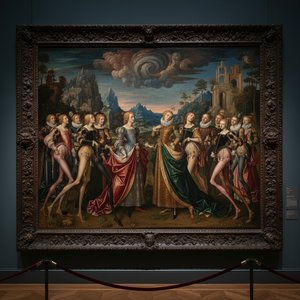
A Life Rooted in Renaissance Transformation
Pieter Bruegel the Elder vstúpil do sveta umenia v období hlbokých zmien, v čase, keď sa umelecký krajina Európy premenovala z ideálov Rénesuancie v Taliansku smerom k rastúcim komplexnostiam severnej európskej expresívnosti. Narodil sa niekedy medzi rokmi 1525 a 1530, pravdepodobne v Borde – hoci presné detaily o jeho ranom živote zostávajú trochu mlčiace – a jeho formujúce roky prebiehali v období náboženských búr a rozkvitajúcej obchodu. Začínal s umelou cestou okolo roku 1545 ako učník Petra Coeck van Aelsta, úctyhodného maľára z Antverp, ktorý bol známy nielen svojou umenosťou, ale aj návrhmi na tapisérie. Toto učenie poskytlo Bruegelovi pevné základy v technických dovednostiach oleja a kreslenia, no predovšetkým ho vystavilo humanistickým prúdom, ktoré sa začali prenikať do intelektuálnych kruhov. Van Aelstova dielňa nebola len miestom umeleckého vzdelávania; bola to kríženina, kde tradičné techniky stretli nové myšlienky, čo formovalo Bruegelovu budúcu vizií.
Putovania a Vytváranie Jedinečnej Vizuálnej Identite
Po skončení učenia sa Bruegel vydal rozsiahle putovanie, ktoré nezabudnuteľne označilo jeho umelecký rozvoj. Medzi rokmi 1551 a 1553 cestoval Francúzskom, Švajčiarskom a Talianskom, kreslil krajiny a ponoril sa do rôznych kultúr. Toto neboli len turistické výlety; boli to expedície pozorovaní a učenia. Zamerane v Taliansku Bruegel stretol diela renesančných majstrov, no jeho umelecký temperament zostával výrazne severoevropský. Nevyužíval iba talianske štýly, ale absorboval ich vplyv a filtroval ho prostredníctvom svojej vlastnej jedinečnej zmyselnosti. Alpy s ich dramatickými vrcholmi a údoliami zanechali trvalý odkaz na jeho kompozičné štruktúry a atmosférickú perspektívu, ktoré sa nachádzajú v mnohých neskorších krajinách. Po návrate do Antverp v roku 1553 bol prijatý ako slobodný umelec.
Odchody od Tradičných Motívov: Nový Zameranie Umenia
Bruegelova skutočná inovácia spočívala v jeho témach. Odvážne sa odchýlil od zavedených konvencií renesančej maľby, ktorá často zameriavala pozornosť na náboženské príbehy alebo klasickú mytológiu. Namiesto toho sa obrátil na každodenné životy obyčajných ľudí – pestrého roľníkov, osídlených vesničanov, lovcov v snežných krajinách. Nebol to odmietavý postoj k tradičným tézam, ale vzostup bežného do úrovne vysokého umenia. Jeho krajiny neboli len pozadím; boli aktívnymi účastníkmi príbehu, často zasadené s symbolickým významom a odrážajúce hlboké porozumenie moci a krásy prírody. *Triumph of Death* je strašidelná apokalyptická vize smrti, plná groteskných obrazov a pocitu prichádzajúcej záplavy. Maľby ako *Peasant Wedding* ponúkajú pozoruhodné podrobnosti a nuansy o vidieckom živote bez sentimentalnej idealizácie. Mistrovsky využíval chiaroscuro – dramatickú hru svetla a tieňa – na vytvorenie hĺbky, realizmu a emocionálneho rezonancie v jeho kompozíciách. Jeho scény neboli len to, čo videl; bolo to interpretácia sveta okolo neho prostredníctvom humanistického výskumu a umeleckej inovácie.
Vplyv a Trvalý Odkaz
Bruegelov vplyv na neskoršie generácie umelcov je nezameniteľný. Položil základy pre holandských zlatých vekov, inšpiroval umelcov ako Isaaca van Ostade a Adriaena Brouwera jeho realistickými reprezentáciami vidieckych životov. Jeho inovatívny prístup k krajinnej maľbe tiež viedol k ďalším vývojom tohto žánru, ovplyvnil umelcov, ktorí hľadali zachytenie krásy a nádhery prírody. Okrem maľby sa jeho dielo neustále rezonuje s modernými publikami, objavuje sa v filmoch ako Andrei Tarkovského *Solaris* (1972) a Larsa von Triera *Melancholia* (2011), čo dokazuje trvalú silu jeho obrazov. Jeho maľby ponúkajú nečasnú reflexiu na ľudské podnety – našu vzťah s prírodou, naše boje s smierťou a našu schopnosť pre radosti aj smutok. Zomrel v Bruseli v roku 1569 vo veku štyridsať troch rokov, zanechal za sebou dielo, ktoré stále fascinuje a inšpiruje, zabezpečujúc si miesto medzi najdôležitejšími postavami v dejinách umenia.
Významné Práce a Trvalé Motívy
- Landscape with the Flight into Egypt: Seriózna, no zároveň subtílne symbolická reprezentácia cesty Dieťaťa Ježiša, ktorá ukazuje Bruegelovu maštre v atmosférickej perspektíve.
- The Triumph of Death: Strašidelná a apokalyptická vize smrti, plná groteskných obrazov a pocitu prichádzajúcej záplavy.
- Peasant Wedding: Živá a detailná reprezentácia vidieckej spoločnosti, zachytávajúca hlučnú energiu a sociálne zvyky fenskej dediny.
- Hunters in the Snow: Člen série zobrazujúcej ročné obdobia, táto ikonická maľba je oslavovaná pre svoju atmosférickú krásu a realistické znázornenie snežných krajín.
- The Tower of Babel: Monumentálna práca, ktorá ukazuje ľudskú ambíciu a božský súd.



 Zobraziť v interiéri
 Objednať ručne maľovanú reprodukciu
 Odoslať
 Zdieľať
 Podrobnosti
 Príručka

 Stiahnuť
 Podobné položky
 RTG skúška
 Prehliadanie diapo\]
 Štatistiky


 Prečítať si viac






































 Možnosť skla je dostupná len pri rozmeroch pod 110 cm