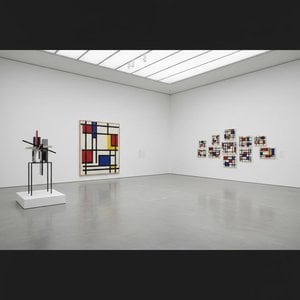
Život a cesta Piet Mondriana: Od holandskej krajiny k univerzálnej harmónii
Piet Mondriaan, vlastným menom Pieter Cornelis Mondriaan, sa narodil 7. marca 1872 v pokojnom holandskom meste Amersfoort. Jeho umelecká cesta nebola okamžitým osvietením, ale postupným odhaľovaním. Vyrastal v tradícii; jeho strýko Frits Mondriaan bol už uznávaný maliar a práve tento rodinný väzba ho spočiatku nasmerovala k krajinárskemu maliarstvu. Tieto rané práce, pripomínajúce školu Haagu a holandský impresionizmus – diela ako *Červený mlyn* – odhaľujú mladého umelca usilovne študujúceho prírodu, majstrujúceho techniku, no zároveň nenápadne hľadajúceho niečo viac než len zobrazenie. Už vtedy sa zdalo, že ho ťahá túžba po zjednodušení. Nebol spokojný s jednoduchým odrádzaním sveta; chcel destilovať jeho podstatu. Toto skoré obdobie bolo charakterizované experimentovaním s pointilizmom a fauvizmom, pričom každý štýl ponúkal iný pohľad na farbu a formu, no žiadny plne neuspokojoval jeho narastajúcu umeleckú víziu. Bol to čas skúmania, nevyhnutný predpoklad radikálneho odklonu, ktorý by definoval jeho odkaz.
Parížske prebudenie a zrod Neoplasticizmu
Zlomový moment nastal v roku 1912 s Mondrianovým presťahovaním do Paríža. Mesto pulzovalo avantgardnou energiou a on sa ponoril do revolučného sveta kubizmu. Toto stretnutie sa ukázalo ako transformačné. Začal dekonštruovať formy, rozkladať objekty na ich geometrické zložky, prechádzajúc od zobrazovania *čo* vidí k skúmaniu *ako* to vidí. Mondrian však neadoptoval nový štýl; vydával sa na duchovnú púť. Hlboko ovplyvnený teozófiou – mystickou filozofiou zdôrazňujúcou základné univerzálne princípy – veril, že umenie môže byť nástrojom na vyjadrenie týchto skrytých pravd. Táto viera poháňala jeho neúnavnú snahu o abstrakciu a podnietila ho redukovať farbu a formu na ich najzákladnejšie prvky. Okolo roku 1917 tento proces vyvrcholil sformulovaním neoplasticizmu, často označovaného ako ‘čisté plastické umenie’. Bol to radikálny estetický princíp založený na základných formách – priamych čiarach, pravých uhloch – a obmedzenej palete: primárnych farbách (červená, modrá, žltá), čiernej, bielej a šedej. Pre Mondriana toto zredukovanie nebolo o prázdnote; bolo to o odhalení základnej harmónie vesmíru, vizuálnej manifestácii duchovného poriadku. Spolu s Theom van Doesburgom založil hnutie *De Stijl* na propagáciu týchto ideálov, čím upevnil neoplasticizmus ako definujúcu silu v modernom umení. Majstrovské diela ako *Kompozícia s červenou, modrou a žltou* a *Tableau no. 2 Kompozícia no. V* sú dôkazmi tohto obdobia, ikonickými reprezentáciami jeho neochvejnej oddanosti geometrickej čistote.
Newyorské rytmy: Pozdný život v plnom rozkvete
Vypuknutie druhej svetovej vojny prinútilo Mondriana utiecť z Európy v roku 1940 a našiel útočisko v rušnej metropole New York City. Táto relokácia sa ukázala nečakane povzbudivá. Prísna mriežková štruktúra mesta – ostrý kontrast k organickejším krajinám, ktoré poznal – rezonovala s jeho umeleckými princípmi. Jeho neskoršie práce, najmä *Broadway Boogie Woogie* (1943), odrážajú tento vplyv. Hoci si zachovali základné princípy neoplasticizmu, obraz zavádza dynamickú energiu, živý rytmus inšpirovaný pulzujúcim životom mesta a jazzovou hudbou. Priamky sú stále prítomné, ale teraz tancujú a pretínajú sa s väčšou slobodou, vytvárajúc pocit pohybu a radosti. Zdalo sa, že Mondrian našiel nový jazyk v rámci svojho zavedeného slovníka, spôsob vyjadrenia zložitosti moderného mestského života prostredníctvom jednoduchosti geometrickej abstrakcie. Pokračoval vo zdokonaľovaní svojho štýlu až do svojej smrti v roku 1944 a zanechal po sebe dielo, ktoré naďalej fascinuje a inšpiruje.
Trvalý odkaz: Vplyv Mondriana
Vplyv Pieta Mondriana na svet umenia je nesmierny. Nebol len umelec; bol vizionárom, ktorý zásadne zmenil naše chápanie abstrakcie a jej potenciálu vyjadrovať univerzálne pravdy. Jeho dielo hlboko ovplyvnilo nespočetných umelcov, hnutí a disciplín. Abstraktný expresionizmus, minimalizmus a Color Field maľba mu vďačia za jeho priekopnícky duch. Ale jeho vplyv presahuje plátno. Princípy neoplasticizmu – jednoduchosť, jasnosť, geometrický poriadok – prenikli do architektúry, dizajnu a módy. Od nábytku a textílií po fasády budov a grafické rozloženie, Mondrianova estetika naďalej formuje náš vizuálny svet. Zostáva ikonickou postavou moderného umenia, symbolom neúnavnej snahy o abstrakciu a trvalej sily umeleckých inovácií. Ako výstižne poznamenal dizajnérsky historik Stephen Bayley, Mondrian sa stal “totemom pre všetko, čo Modernizmus chcel byť.” Jeho odkaz nie je len estetickou krásou, ale aj intelektuálnou prísnosťou, duchovnou hĺbkou a neochvejnou vierou v transformačný potenciál umenia.
Vplyvy a kľúčové diela
- Rané vplyvy: Škola Haagu, holandský impresionizmus, pointilizmus, fauvizmus poskytli základ pre jeho počiatočné umelecké skúmania.
- Transformačný vplyv: Kubizmus v Paríži bol kľúčový pre jeho posun smerom k abstrakcii a geometrickým formám.
- Filozofický základ: Teozófia hlboko ovplyvnila jeho vieru, že umenie môže vyjadrovať univerzálne duchovné princípy.
- Kľúčové diela: *Červený mlyn* (skoré naturalistické obdobie), *Kompozícia s červenou, modrou a žltou* (kvintesencia neoplasticizmu), *Tableau no. 2 Kompozícia no. V* (demonštruje redukciu na základné formy), *Broadway Boogie Woogie* (neskorá dynamika ovplyvnená New York City).
- Trvalý vplyv: Mondrianova práca naďalej inšpiruje umelcov, architektov a dizajnérov, formujúc modernú estetiku v rôznych disciplínach.
Jeho estetické princípy presahovali maľbu a ovplyvnili architektúru, dizajn a módu. Zostáva ikonickou postavou moderného umenia, reprezentujúcou snahu o abstrakciu a univerzálnu harmóniu.



 Náhľad
 Prepnúť na tlač
 Odoslať
 Zdieľať
 Podrobnosti o dielo

 Stiahnuť
 Podobné diela
 RTG skúška
 Prezentácia
 Štatistiky

 Zobraziť viac






































 Možnosť skla je dostupná len pri rozmeroch pod 110 cm