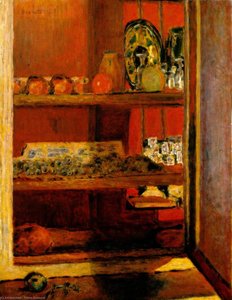
A Life Bathed in Light: The World of Pierre Bonnard
Pierre Bonnard, narodený v roku 1867 v parížskom predmestí Fontenay-aux-Roses, nemal byť osudový pre život plný umeleckej vyjadrenia. Jeho otec, vysokopostavený úradník Francúzskej vojenskej ministerstva, mal pre syna načrtnutú kariéru právnika. Mladý Pierre svedomito študoval právo a v roku 1888 získal licenciáciu, no jeho srdce patřilo inam – do fascinujúceho sveta farieb a tvarov. Táto dvojakosť, tento napätie medzi očakávaniami a vášňou, by subtílne ovplyvnila jeho umeleckú cestu, čím mu dodala jedinečnú intimitu diela. Počas svojho detstva zaobľuboval kreslenie karikát, čo si neskôr rozvinul do precítených obrazov z domáceho života. No práve v Académie Julian našiel Bonnard svoju cestu, kde stretol rovnokrížnikov a objavil avantgardný duch, ktorý sa šakal cez Paríž. Táto stretnutie ho priviedlo k Nabis – skupine umelcov, vrátane Mauricea Denisa, Paula Sérusiera a Édouarda Vuillarda – ktorí hľadali umelecké vyjadrenie prostredníctvom spirituality a symboliky, prechádzajúc nad rámec len reprezentácie smerom k skúmaniu vnútornej skúsenosti.
The Nabi Years and the Cultivation of Intimacy
Spojenie s Nabisom bolo pre Bonnarda zásadné. Dôraz skupiny na zredukované formy, výrazné farebné palety a odmietanie tradičného perspektívovania rezonovalo hlboko s jeho umeleckými zmyselami. Viedol inšpiráciou japonské maľby – ich elegantné čiary a harmonické kompozície – a Symbolistického hnutia, ktoré skúmal subjektívne emócie, Bonnard začal rozvíjať svoj charakteristický štýl. Nebol zaujatý rozsiahlymi príbehami alebo historickými alegóriami; namiesto toho sa obrátil dovnútra, zamerioval sa na tiché okamihy každodenného života: ženu v kúpeľni, rodinu pri večeri, slnečný záhradku. Tieto scény neboli len reprezentáciou situácií, ale destiláciami pocitov – evokáciami spomienok a atmosféry. Tento zameranie na intímny domácky život mu získal titul “Intimist,” ktorý dokonale zachyteneľuje emocionálny rezonanciu jeho diel. Jeho maľby nie sú o *čo* je znázornené, ale *ako* sa cíti človek v týchto momentoch. Pracoval z pamäte, dôkladne kreslil a potom tieto dojmy prenášal na plátno s pozoruhodnou citlivosťou k svetlu a farbám. Bonnard sa odmietal spoliehať priamom pozorovaní, radšej maľoval z asociácií, čo mu umožňovalo vniesť do svojich scén fantastickú atmosféru. Jeho krajinky neboli len reprezentáciou miest, ale emocionálnymi reakciami na ne – filtrovanými cez osobný zážitok.
Color as Emotion: A Master Colorist
Bonnardova mašty farieb je bezpochyby jeho najvýznamnejšie čŕty. Nevyužíval farby len *používateľ*, ale ich *címal*, čo vedúceho k atmosfére a nálade jeho obrazov. Jeho paleta bola živá, no zároveň aj nuansová, často používal neočakávané kombinácie, ktoré vytvárali pocit žiarskeho lesku. Sám tvrdil, že farba by mala byť prostriedok vyjadrenia, nie cieľ reprezentácie. Bonnard sa neustále vracal k dokončeným obrazom a jemne upravoval farby na mnohých dielach, aby dosiahol dokonalú harmóniu – dôkaz jeho posedlosti chromatickej rovnováhy. To nebolo o realistickom znázorňovaní; išlo o zachytenie subjektívneho zážitku z farieb, ich schopnosti vyvolať emócie a spomienky. Bonnard sa odmietal spoliehať priamom pozorovaní, radšej maľoval z asociácií, čo mu umožňovalo vniesť do svojich scén fantastickú atmosféru. Jeho krajinky neboli len reprezentáciou miest, ale emocionálnymi reakciami na ne – filtrovanými cez osobný zážitok.
Later Life and Lasting Legacy
V neskoršom živote sa Bonnardov umelecký zameranie ďalej posúvalo k skúmaniu farieb a svetla. Trávil stále viac času v južnom Francúzsku, fascinovaný intenzívnym leskom Stredozemného mora a jeho atmosférou. Jeho vzťah s Marthe de Meligny, jeho manželkou a dlhoročnou múzou, zostával stredom jeho života a diela. Ona sa často objavovala v jeho maľbách, často zobrazovaná v kúpeľni alebo zapojená do každodenných aktivít, jej prítomnosť vyžaruje pokojnú gráciu a intímitu. V roku 1912 kúpil “La Roulotte” v Vernonnette, v obci blízko Giverny, kde si založil blízky priateľstvo s Claude Monetom. Táto blízkosť majstra impresionizmu ďalej pohováral Bonnardovu skúmanie svetla a farieb, hoci vždy udržoval svoj vlastný osobitý umelecký názor. Pokračoval v maľovaní až do krátko pred svojou smierťou v roku 1947, zanechávajúc dielo, ktoré stále fascinuje a inšpiruje. Bonnardov vplyv na ďalšie generácie umelcov je nepopriateľný. Jeho dôraz na subjektívnu skúsenosť, jeho maľstvá farby a oslava každodenného života zanechali nezmaznateľný odtlač na modernom umení. Ukázal, že krása môže byť nájdená nie v rozsiahlych gestách alebo hrdinských príbehoch, ale v tichých momentoch života – osvietených svetlom a naplnených emóciami.
Notable Works & Collections
- Woman in Checkered Dress (1890): Raná ukážka jeho Nabisovskej štýlu, ktorá zobrazuje zredukované formy a výrazné farebné kombinácie.
- The Dining Room (1913): Kľúčová scéna v jeho intímnej tvorbe, zachytávajúca teplo a intimitu domáceho života.
- Bowl of Fruit (c. 1933): Ukazuje jeho mašty s kompozíciou, s živými farbami a pocitom žiarskeho hĺbku.
- The Almond Tree in Blossom (1947): Jedna z jeho posledných diel, dokončená len niekoľko dní pred smierťou, ktorá demonštruje jeho pokračujúce skúmanie farieb a svetla.
Bonnardove diela sa nachádzajú v renomovaných múzeách po celom svete, vrátane:
- Múzeum Marmottan Monet, Paríž, Francúzsko
- Chicago Art Institute
- Museum of Modern Art, New York City
- Tate Modern, Londýn



 Náhľad v interiéri
 Kúpiť ručne maľovaný obraz
 Odoslať ako digitálnu kartu
 Zdieľať
 Podrobnosti o dielo
 Príručka

 Stiahnuť obraz
 Podobné položky
 RTG skúška
 Prehliadanie diapozoje
 Q&A
Q&A Štatistiky

 Zobraziť viac






































 Možnosť skla je dostupná len pri rozmeroch pod 110 cm