


Ručne maľovaný olej na plátne vo vašej zvolenej veľkosti a v ráme, vyrobený na mieru našimi umelcami. ( Kúpiť tlač Kúpiť obrázok)





























Vyberte si z našich preddefinovaných rozmerov, ktoré zodpovedajú pôvodným pomeroḿ diela.

Môžete zadať vlastné rozmery tak, aby sa hodili do konkrétneho rámu alebo priestoru. Ak sa váš zvolený rozmer nezhoduje s pôvodnými proporciami obrazu, dielo buď orezáme, alebo ho doplníme ručne maľovanými prvkami. Pred začiatkom výroby vám zašleme digitálny náhľad na schválenie.
Upozorňujeme, že ukážka na obrazovke neodráža skutočné orezanie alebo doplnenie. Skutočnú finálnu kompozíciu zobrazuje iba digitálny náhľad.
Hoci sú k dispozícii vlastné rozmery, odporúčame vybrať rozmer z preddefinovaného zoznamu, aby sme zachovali pôvodné proporcie.
Celosvetová doprava () za 3 až 4 týždne namiesto štandardných 5 týždňov. (7 september). Bez kompromisov v kvalite.


Cros de Cagnes
Veľkosť reprodukcie
Pierre-Auguste Renoir, arguably the quintessential Impressionist painter, gifted us with “Cros de Cagnes,” a breathtaking vista completed in 1905. More than just a depiction of scenery, this canvas embodies Renoir's artistic philosophy—a fervent pursuit of capturing fleeting moments and conveying emotion through luminous color palettes and delicate brushstrokes.
The painting transports viewers to the Provençal countryside. Renoir meticulously crafted a scene featuring a charming village nestled amongst rolling hills draped in verdant foliage. Dominating the composition is a prominent church tower, anchoring the eye and establishing a sense of grandeur against the expansive landscape. Scattered figures—walkers and residents—add life and dynamism to the tranquil tableau, subtly hinting at human presence within the natural world.
Renoir’s masterful Impressionist technique is immediately apparent. He eschewed traditional blending methods, opting instead for “broken color”—applying small, separate strokes of pigment that blend optically when viewed from a distance. This innovative approach allowed Renoir to recreate the shimmering effects of sunlight filtering through leaves and illuminating the buildings. The resulting texture contributes significantly to the painting’s atmospheric depth, immersing the viewer in the serene ambiance of Cagnes-sur-Mer.
“Cros de Cagnes” shares thematic similarities with Claude Monet's “The Road to Giverny,” both exploring landscapes bathed in natural light. However, unlike Monet’s focus on capturing the precise impression of a single location—the meandering path leading to Monet’s garden—Renoir prioritizes conveying an overall mood of peace and beauty. In contrast, Renoir’s “Treboul” presents a more intimate portrayal of a solitary building enveloped by nature, emphasizing textural nuances and subtle tonal variations.
“Cros de Cagnes” resides in the Museum Art Association of Richmond's collection, demonstrating its enduring appeal to art enthusiasts. Its evocative depiction of rural France continues to inspire admiration for Renoir’s artistic prowess and his ability to translate visual experience into emotionally resonant artwork. This painting stands as a testament to Impressionism’s legacy—a movement dedicated to capturing the ephemeral beauty of everyday life.

1841 - 1919 , Francúzsko
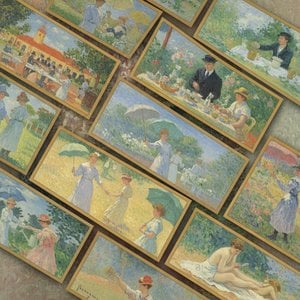
Ponorte sa do sveta Pierra-Augusta Renoira! Objavte 25 ikonických obrazov impresionizmu, ich príbehy a techniky. Reprodukcie diel Renoira pre váš domov na WahooArt.com – múzejná kvalita a inšpirácia pre interiér.
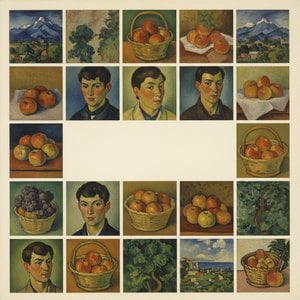
Objavte top 25 diel Paula Cézanna – impresionistické krajinomaľby, zátišia a portréty. Prežite príbeh umelca a jeho majstrovských techník. Reprodukcie obrazov pre luxusný domov na WahooArt.com

Ponorte sa do sveta impresionizmu! Objavte top 10 majstrovských diel krajinárskej maľby od Monet, Renoir a ďalších. Inšpirujte sa farebnými plátnami a prineste si kúsok francúzskeho umenia do vášho interiéru s WahooArt.com. Preskúmajte rozsiahlu kolekciu online!
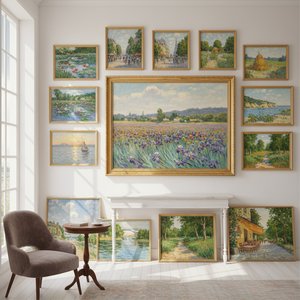
Ponorte sa do sveta impresionizmu! Objavte top 10 majstrovských diel krajinárstva od Monet, Renoir a ďalších. Inšpirujte sa farebnými plátnami a dekorujte svoj dom s WahooArt.com – múzejnou kvalitou pre váš interiér. Preskúmajte kolekciu online!

Ponorte sa do sveta impresionizmu s 10 majstrovskými dielami od Monet, Renoir a ďalších. Objavte príbehy umelcov, techniky a farby, ktoré zmenili dejiny umenia. Kúpiť reprodukcie obrazov na WahooArt.com!

 Náhľad
 Odoslať
 Zdieľať
 Podrobnosti o dielo

 Stiahnuť
 Podobné diela
 RTG skúška
 Prezentácia

 Zobraziť viac







 Možnosť skla je dostupná len pri rozmeroch pod 110 cm


