x
NáhľadNáhľad AR náhľadAR náhľad Kúpiť tlač Kúpiť tlačKúpiť obrázok Kúpiť obrázok OdoslaťOdoslať
Podrobnosti o dieloPodrobnosti o dielo Pridať do obľúbených Pridať do obľúbených StiahnuťStiahnuť Podobné dielaPodobné diela RTG skúškaRTG skúška PrezentáciaPrezentácia

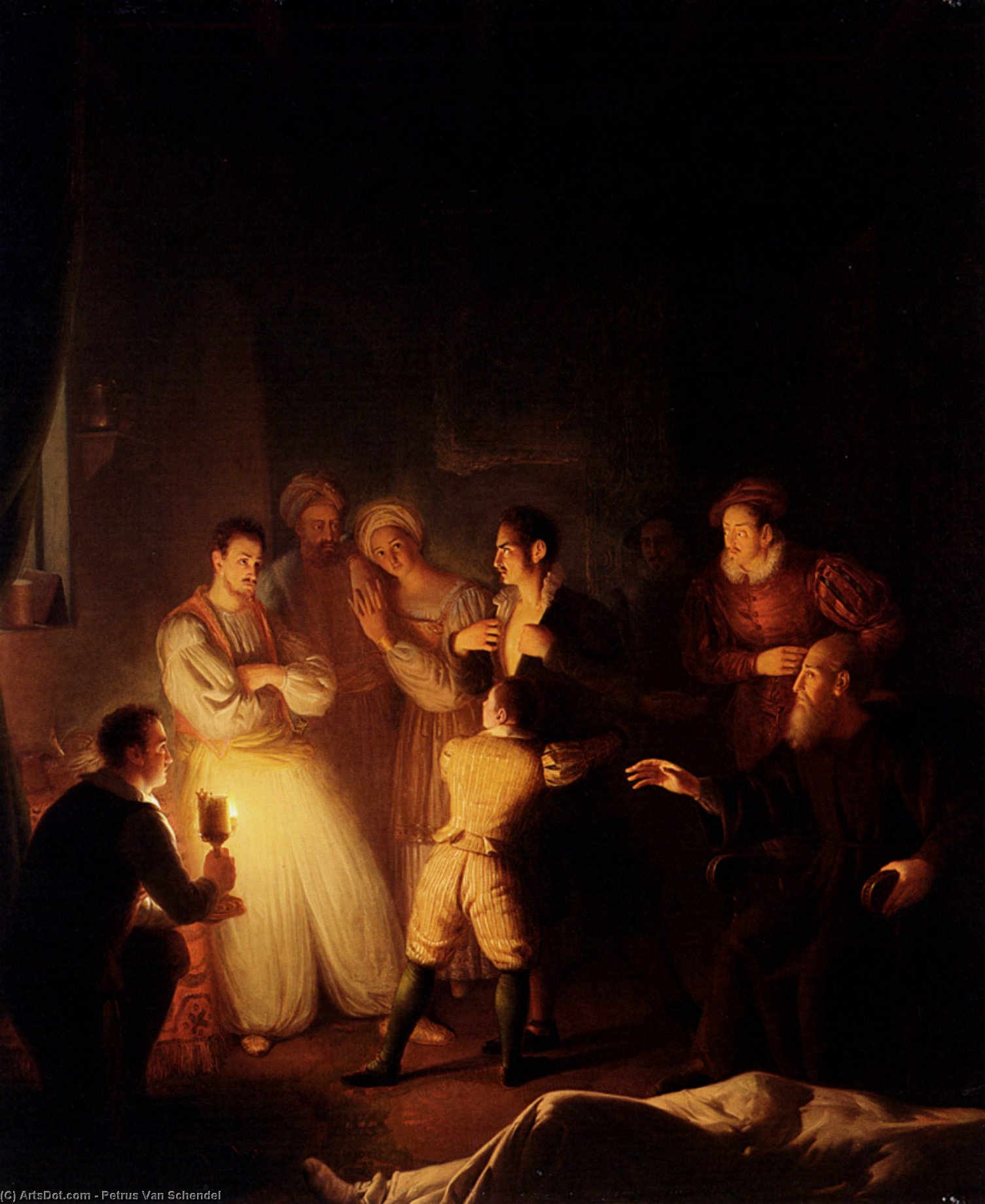
The accusation

Petrus van Schendel (1806-1870) was a Dutch-Belgian Romantic painter renowned for his captivating nighttime scenes, lit by candlelight. Explore his evocative market scenes & portraits – a master of 'chiaroscuro' and atmospheric light!

Ručne maľovaná olejová reprodukcia

Ručne maľovaný olej na plátne vo vašej zvolenej veľkosti a v ráme, vyrobený na mieru našimi umelcami. (Kúpiť tlač Kúpiť tlačKúpiť obrázok Kúpiť obrázok)

Štandardné
na mieru
CM
INCH

Vyberte si z našich preddefinovaných rozmerov, ktoré zodpovedajú pôvodným pomeroḿ diela.

šírka
výška

Môžete zadať vlastné rozmery tak, aby sa hodili do konkrétneho rámu alebo priestoru. Ak sa váš zvolený rozmer nezhoduje s pôvodnými proporciami obrazu, dielo buď orezáme, alebo ho doplníme ručne maľovanými prvkami. Pred začiatkom výroby vám zašleme digitálny náhľad na schválenie.
Upozorňujeme, že ukážka na obrazovke neodráža skutočné orezanie alebo doplnenie. Skutočnú finálnu kompozíciu zobrazuje iba digitálny náhľad.
Hoci sú k dispozícii vlastné rozmery, odporúčame vybrať rozmer z preddefinovaného zoznamu, aby sme zachovali pôvodné proporcie.

Príklady možných zmien: nahradiť tvár fotografiou zákazníka; pridať domáce zviera (napr. nahradiť mačku psom); vložiť skryté posolstvo do pozadia; zmeniť krajinu alebo prvky pozadia.
Po odoslaní objednávky vám tím WahooArt.com pošle e-mail s pokynmi a poskytne náhľad na návrh.

Celosvetová doprava () za 3 až 4 týždne namiesto štandardných 5 týždňov. (4 september). Bez kompromisov v kvalite.

why_choose_icon
Bezplatná expresná doprava po celom svete
why_choose_icon
Prémiové lnianske plátno
why_choose_icon
Kompletné poistenie prepravy
why_choose_icon
Záruka vrátenia colného poplatku
why_choose_icon
Záruka presného farebného zhodnutia
why_choose_icon
60-dňá politika vrátenia (iba pri defektoch)
why_choose_icon
100% záruka vrátenia peňazí
why_choose_icon
Výhodná množstevná zľava

Celková cena

$ 272

reproduction

The accusation

Technika reprodukcie

Veľkosť reprodukcie

-

Celková cena za vybrané možnosti

$ 272


Biografia umelca

Jean-Honoré Fragonard: A Dance of Light and Desire

Jean-Honoré Fragonard, a name synonymous with the final flourish of the Rococo era, was an artist whose life and work embodied a captivating blend of pleasure, observation, and technical brilliance. Born in Grasse, Provence, in 1732, his early years were steeped in the scents and colors of the Mediterranean countryside – a landscape that would profoundly influence his later artistic sensibilities. Fragonard’s trajectory wasn't one of traditional academic training; instead, he apprenticed under François Boucher, a master of the Rococo style at the Académie Royale de Peinture et de Sculpture in Paris. This formative period instilled within him the core tenets of the movement: an emphasis on elegance, sensuality, and playful composition, all rendered with a remarkable fluidity of brushwork. However, Fragonard quickly distinguished himself from his mentor, forging a distinctly personal style that prioritized spontaneity and a vibrant, almost giddy energy.

Early Influences and Artistic Development

Fragonard’s artistic journey was shaped by a deep engagement with the art of Italy – specifically Rome. Following the success of *Coresus and Callirhoë* (1765), a monumental painting that initially promised to revitalize history painting in France, he spent several years as a pensioner of the Crown at the French Academy in Rome. This period proved transformative. He meticulously copied works by masters such as Caravaggio, Rubens, and Raphael, absorbing their techniques and compositional strategies. Yet, Fragonard didn’t merely replicate; he internalized these influences, adapting them to his own expressive vision. His red chalk drawings from this time—studies of figures in flowing drapery, intimate portraits, and evocative landscapes—reveal a remarkable command of line and a burgeoning ability to capture the fleeting moments of human interaction. Notably, works like *The Stolen Kiss* (1769) demonstrate how he skillfully blended classical forms with his own distinctive Rococo sensibilities.

The Height of Rococo: Genre Scenes and Erotic Subtlety

Returning to Paris in 1761, Fragonard found a thriving market for his “cabinet pictures”—small-scale paintings designed for private collectors. These works became the hallmark of his career, characterized by their intimate scale, playful subject matter, and subtle eroticism. He excelled at depicting scenes of courtship, flirtation, and domestic leisure, often infused with an undercurrent of mischievous delight. Paintings like *A Young Girl Reading*, *The Swing*, and *The Bolt* are iconic examples of this genre, renowned for their exquisite color palettes, dynamic compositions, and the suggestive glances exchanged between figures. Fragonard’s genius lay in his ability to convey a sense of hidden desire without resorting to overt explicitness. His brushwork was loose and vibrant, creating an atmosphere of lightness and movement—a visual embodiment of the pleasures of the senses. He worked with incredible speed, often employing a technique that prioritized spontaneity over meticulous detail, resulting in paintings that possess a captivating immediacy.

Patronage, Legacy, and Lasting Influence

Fragonard’s success was largely due to his ability to cultivate relationships with wealthy patrons, most notably Madame du Barry, the mistress of Louis XV. He created a series of large-scale panel paintings for her, further cementing his reputation as one of the leading artists of his time. Despite this acclaim, Fragonard remained remarkably independent and eschewed official commissions from the royal court. His refusal to conform to traditional artistic expectations—particularly his rejection of history painting—contributed to his enduring appeal. His work profoundly influenced subsequent generations of artists, including Eugène Delacroix and Pierre-Auguste Renoir, who admired his expressive brushwork and his ability to capture the fleeting moments of everyday life. Fragonard died in Paris in 1806, leaving behind a vast oeuvre that continues to captivate viewers with its beauty, sensuality, and enduring charm. His legacy rests not only on his individual masterpieces but also on his pivotal role in shaping the final chapter of the Rococo movement and paving the way for Romanticism.

Key Works

  • The Swing (1769)
  • A Young Girl Reading (1770)
  • The Bolt (1775)
  • The Stolen Kiss (1769)
petrus van schendel

petrus van schendel

1806 - 1870 , Netherlands

Základné informácie

  • Artistic Movement Or Style: Rococo
  • Artists Or Movements Influenced By This Artist: ['Rococo']
  • Artists Who Influenced This Artist:
    • Antoine Watteau
    • François Boucher
  • Date Of Birth: 5 April 1732
  • Date Of Death: 22 August 1806
  • Full Name: Jean-Honoré Fragonard
  • Nationality: French
  • Notable Artworks:
    • The Swing
    • A Young Girl Reading
    • The Bolt
  • Place Of Birth: Grasse, France