BEZPLATNÉ UMENÍCKE PORADENSTVO

x
Kúpiť tlač Kúpiť tlačObjednať reprodukciu Objednať reprodukciu OdoslaťOdoslať
PodrobnostiPodrobnosti Pridať do obľúbených Pridať do obľúbených StiahnuťStiahnuť Podobné dielaPodobné diela RTG skúškaRTG skúška PrezentáciaPrezentácia

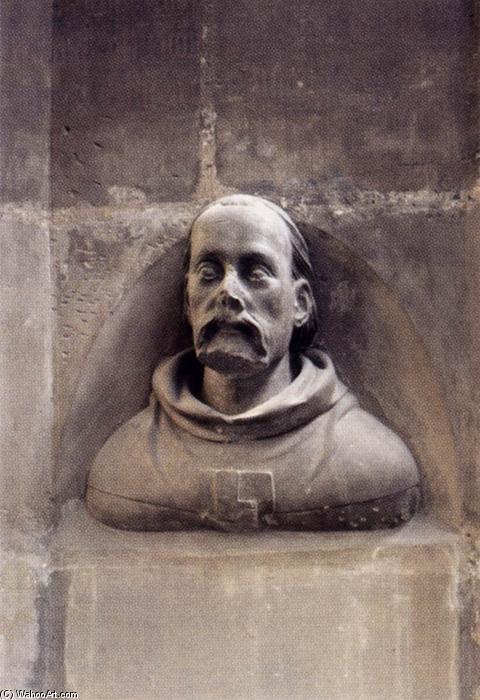
Sebeportrét

Výnimočný obraz Petra Parlera zobrazujúci jeho sebaobraz v rámci katedrály Svätého Víta v Prahe – umelecké dielo vrcholného gotického obdobia, ktoré oslňuje svojím detailným zpracovaním a výrazom.

Peter Parler (1330-1399) bol nemecko-bohemský architekt a sochař, majster spätogotického štýlu. Jeho inovácie pri Katedrále sv. Vigila a Karlovom moste v Prahe zásadne ovplyvnili stredoeurópsku architektúru.

Kúpte si digitálnu snímku vo vysokom rozlíšení s vylepšenými detailmi, ktorá je oveľa kvalitnejšia než online náhľad.

Každý súbor starostlivo pripravujú naši interní špecialisti pomocou pokročilých nástrojov a odborného manuálneho retušovania. Zabezpečujeme, aby každý obrázok disponoval výnimočnou čistotou, presnou farebnou vernosťou a jemnými detailmi.

Konečný súbor vám bude doručený e-mailom do 72 hodín, optimalizovaný pre okamžité použitie v profesionálnom, redakčnom aj tlačovom prostredí. Ide o rovnakú kvalitu, ktorej dôverajú špičkové dizajnérske štúdiá, vydavateľstvá a galérie.

Digitálny obraz

Stiahnite si vysokorozlíšený súbor na osobné zobrazovanie, tlačenie a kreatívne projekty.

Celková cena

$9.99

Súčasťou každej objednávky digitálneho obrazu

Expetórne digitálne doručenie, garantované

Keď si vyberiete WahooArt.com, nedostávate len obrázok – získate profesionálne upravené digitálne umenie, vytvorené s precíznosťou a so zárukou vašej maximálnej spokojnosti. Tu je všetko, čo je súčasťou vašej objednávky automaticky:

shipping_icon
Rýchle doručenie e-mailom

Vaša vysokorozlíšená digitálna súprava obrázkov vám bude zaslaná e-mailom do 72 hodín od objednávky – pripravená na okamžité použitie.

canvas_icon
Digitálny súbor s vylepšením AI

Vaše dielo je profesionálne optimalizované pomocou pokročilých nástrojov umelej inteligencie a manuálnej editácie, čo zaručuje maximálnu úroveň detailov, čistotu a presnosť farieb.

insurance_icon
Bezplatné celoživotné opätovné doručenie

Náhodou ste zmazali alebo ste stratili svoj súbor? Nebavžte sa – pošleme vám ho kedykoľvek znova, úplne bez poplatkov.

tax_icon
Bez poplatkov za dovoz – navždy

Užite si svoje umelodelo okamžite bez colných poplatkov, daní alebo nákladov na dopravu – digitálne stiahnutia sú vždy oslobodené od dane.

color_icon
Garantovaná presnosť farieb

Pomocou profesionálnych nástrojov a farebného manažmentu zabezpečujeme, aby vaša digitálna fotografia čo najpresnejšie odrážala pôvodné farby.

return_icon
60-dňová záruka spokojnosti

Ak nebudete spokojní so svojou digitálnou fotografiou, upravíme ju alebo vám vrátime 100% v priebehu 60 dní – bez zbytočných otázok.

guarantee_icon
100% Záruka vrátenia peňazí

Nie ste spokojní? Získajte plnú náhradu peňazí do 60 dní od prijatia vášho digitálneho súboru – bez zbytočných otázok.

discount_icon
Zľavy pri veľkom odbere

Kúpte si 3 obrazy, ušetrite 10% - Kúpte si 5, ušetrite 15% - Kúpte si 10+, ušetrite 20%. Ideálne pre kreatívne projekty, galérie a agentúry.

Základné informácie

  • Artist: Peter Parler
  • Subject or theme: Self-Representation
  • Artistic style: Roman Naturalism
  • Influences: Roman Art
  • Medium: Stone Sculpture
  • Year: 1379
  • Movement: Late Gothic

Popis zberateľského predmetu

Peter Parlerova Sebaobrazovka – Monumentálna Výstava Zvukovej Umelosti

Sebaobrazovka Petra Parlera predstavuje fascinujúci príklad vrcholného gotického umenia, ktorý sa stretol s výrazným vplyvom nového estetického smeru – raného renesansu. Tento detailný obraz vytvoril významný architekt a sculptor Pia Cavallini okolo roku 1379, čím zabezpečil svoj pozostatok medzi najvýznamnejšími dielami doby. Jeho umelecké dielo sa nachádza v rámci katedrály svätého Víta v Prahe, čo nám poskytuje kontext bohatého historického prostredia a kultúrneho života Českej kráľovskej ríše.
  • Hlavný subjekt: Obrázok zobrazuje samotného Petra Parlera – významného českého architekta a sculptora, ktorý si vyjadril svoju osobnosť prostredníctvom monumentálneho sochárskeho diela.
  • Štýl: Kunstwerk je výrazným predstaviteľom vrcholného gotického štýlu, čo sa prejavuje v dôsledku použitia klasických prvkov a prirodzeného vzhľadu materiálu – žuly. Tento štýl bol charakteristický pre obdobie okolo roku 1379.
  • Technika: Výtvarník použil komplexnú kombináciu technik, vrátane detailného vyrezávania žuly a použitia svetla a tieňov na vytvorenie dramatického efektu. Jeho odborné znalosti boli nezastupiteľné pri dosiahnutí vysokého stupňa umeleckej realizácie.
Historický Kontext: Tento obraz vznikol v období vrcholného gotického umenia, ktoré bolo ovplyvňované kresťanskou náboženskosťou a estetickými ideami doby. Jeho umiestnenie v katedrále svätého Víta odkazuje na významné mesto Prahu a jeho kultúrnu históriu. Symbolizmus: Obrázok vyjadruje filozofické otázky týkajúcich sa ľudskej existencie a osobnej hodnoty. Jeho meditatívna výzera naznačuje hlboké zameranie na duchovné hodnoty a estetické ideály obdobia. Emocionálny Dopad: Sebaobrazovka Petra Parlera vyvoláva pocit pokoja, úcty a kontemplácie. Je to umelecké dielo, ktoré dokáže preniesť pozorovateľa do atmosféry doby svojho vzniku a upozorniť ho na krásu prírody a ľudskej tvorby.

Životopis umelca

Pietro Cavallini: A Master of Roman Naturalism in Late Medieval Italy

Pietro Cavallini, born around 1240 in Rome and tragically dying circa 1330 in the same city, stands as a pivotal figure bridging the Gothic and Early Renaissance periods in Italian art. While his life was relatively short, marked by both artistic triumph and personal hardship – notably a severe eye injury sustained during his studies of solar eclipses – Cavallini’s impact on subsequent generations of artists is undeniable. He wasn't merely a painter; he was a sculptor, architect, and a key contributor to the evolving visual language of his time, particularly through his masterful application of Roman naturalism within a distinctly Gothic framework. His legacy resides in monumental frescoes, intricate mosaics, and sculpted effigies that continue to captivate viewers with their emotional depth and technical precision.
  • Early Life and Training: Precise details regarding Cavallini’s early life remain scarce, shrouded in the mists of medieval documentation. However, legal records from 1273 in the archives of Santa Maria Maggiore in Rome firmly establish his presence as “Petrus dictus Cavallinus de Cerronibus,” suggesting a formative period spent in the heart of the Papal States. This early connection to Rome would profoundly influence his artistic development, grounding him in the traditions of classical antiquity and providing access to a vibrant artistic milieu.
  • Key Works and Artistic Style: Cavallini’s most celebrated works are undoubtedly the *Last Judgment* fresco adorning Santa Cecilia in Trastevere, Rome, and the extensive mosaic cycle within Santa Maria in Trastevere. These monumental projects showcase his remarkable ability to integrate Byzantine influences – particularly in the use of gold leaf and stylized figures – with a distinctly Roman naturalism. His figures possess a palpable sense of volume and weight, rendered with an attention to anatomical detail that was revolutionary for its time. The faces, in particular, are imbued with profound psychological depth, conveying a range of emotions with remarkable subtlety. Significant works include the *Life of the Virgin Mary* mosaic cycle at Santa Maria in Trastevere, demonstrating his skill in depicting narrative scenes with clarity and grace, and several frescoes within San Domenico Maggiore, showcasing his versatility across various subjects.
  • Influence and Legacy: Cavallini’s influence extended far beyond his immediate contemporaries. His work served as a crucial link between the Gothic traditions of the 13th century and the burgeoning naturalism of the Early Renaissance. Artists like Lorenzo Ghiberti, who wrote extensively about Cavallini's achievements, recognized him as a pivotal figure in shaping the artistic landscape of Florence and Siena. The emphasis on realistic representation, combined with a deep understanding of spatial relationships and dramatic composition – hallmarks of Cavallini’s style – would profoundly impact subsequent generations of Italian painters.

Altichiero da Verona: A Veronese Pioneer

Born around 1330 in Zevio, near Verona, Altichiero da Verona emerged as a significant figure in the Veronese school of painting during the late Middle Ages. His career spanned several decades, culminating in his death after 1390, and he is widely considered to be the founder of this influential artistic tradition. Altichiero’s work represents a fascinating synthesis of Byzantine, Gothic, and nascent Renaissance elements, creating a distinctive visual language that reflects the complex cultural dynamics of Northern Italy during this period. He wasn't simply copying existing styles; he was actively innovating, forging a new path for Veronese painting.
  • Early Career and Patronage: Altichiero’s early career unfolded in Verona, though details remain somewhat elusive. However, his relocation to Padua around 1370 at the invitation of Duke Francesco I Carrara marked a turning point in his artistic trajectory. This patronage provided him with opportunities to undertake ambitious projects, including the monumental fresco cycles that would become his most enduring legacy.
  • Key Frescoes and Artistic Characteristics: Altichiero’s two major fresco cycles – one depicting scenes from the life of St. James in the Chapel of San Felice at the Basilica of San Antonio, and another illustrating the lives of St. George and other saints in the Cappella di San Giorgio – are considered masterpieces of Veronese painting. These works demonstrate Altichiero’s mastery of composition, his ability to create a sense of depth and perspective, and his skillful use of color and light. Unlike many contemporary artists who prioritized stylized figures and decorative patterns, Altichiero emphasized naturalism, striving for an accurate representation of human anatomy and the surrounding environment. His figures possess a remarkable vitality and emotional intensity, conveying a profound sense of drama and spirituality.
  • Influence on Subsequent Artists: Altichiero’s work exerted a considerable influence on subsequent Veronese painters, shaping the development of the school's distinctive style. His emphasis on naturalism, combined with his innovative use of color and composition, paved the way for artists like Giovanni Bellini and Andrea Mantegna. His legacy extends beyond Veronese painting, as his techniques and ideas were disseminated throughout Italy, contributing to the broader artistic developments of the Early Renaissance.

Pietro Cavallini: A Sculptor's Vision

Beyond his celebrated frescoes, Pietro Cavallini was a highly accomplished sculptor. His sculptural works, though fewer in number than his paintings, reveal a similar commitment to naturalism and emotional depth. His sculptures often served as funerary monuments, reflecting the piety and artistic sensibilities of the late medieval period. The *Monument to Bishop Guido Tarlati* in Siena stands as a prime example of his sculptural prowess, showcasing his ability to capture the likeness and personality of his subject with remarkable accuracy.
  • Sculptural Techniques and Materials: Cavallini primarily worked in limestone, utilizing both carving and modeling techniques to create figures that possessed a tangible presence. His sculptures are characterized by their smooth surfaces, refined details, and expressive gestures – qualities that reflect his artistic training and his deep understanding of human anatomy.
  • Relationship with Painting: Cavallini’s sculptural work is inextricably linked to his painting. The same principles of naturalism and emotional intensity that informed his frescoes are evident in his sculptures, demonstrating a unified artistic vision. His experience as a painter undoubtedly influenced his approach to sculpture, allowing him to translate the visual language of painting into three-dimensional form.

Historical Context and Significance

Pietro Cavallini’s career unfolded during a period of profound transformation in Italy. The late Middle Ages witnessed a resurgence of interest in classical antiquity, fueled by the rediscovery of Roman art and literature. This revival profoundly impacted artistic styles, leading to a renewed emphasis on naturalism, realism, and humanism. Cavallini's work exemplifies this trend, bridging the gap between the Gothic traditions of the 13th century and the emerging Renaissance ideals of the 15th. His contributions were not merely aesthetic; they played a crucial role in shaping the visual culture of Italy during a period of intense social, political, and intellectual change. His legacy continues to inspire artists today, reminding us of the enduring power of art to capture human experience and reflect the complexities of the world around us.
Peter Parler

Peter Parler

1330 - 1399

Základné informácie

  • Artistic Movement Or Style: Raná renesancia, Veronská škola
  • Artists Or Movements Influenced By This Artist: ['Veronská škola']
  • Artists Who Influenced This Artist: ['Giotto di Bondone']
  • Date Of Birth: ok. 1330
  • Date Of Death: po 1390
  • Full Name: Altichiero da Verona
  • Nationality: Taliansky
  • Notable Artworks:
    • Posledný súd
    • Život svätého Jakuba
    • Životy svätého Juraja
  • Place Of Birth: Zevio, neďaleko Verony, Taliansko