Biografia umelca
Začiatky a umelecké základy
Pelagio Palagi, narodený v Bologni v roku 1775, sa vydal na umeleckú cestu, ktorá bola od mladého veku formovaná mimoriadnym patrónom. Gróf Carlo Filippo Aldrovandi si všimol jeho talent a podporoval ho, čím vytvoril prostredie plné tlačí a ponúkal intenzívne lekcie kreslenia z modelu v prestížnej Accademia Clementina. Toto prostredie Palagimu vložilo hlboké ocenenie pre klasické formy a techniky, poskytlo mu pevný základ v perspektíve, architektúre, figurálnom maliarstve, portrétovaní a aj umení zbierania. Bol to čas intenzívneho štúdia a pozorovania, ktorý pripravil pôdu pre jeho budúcu všestrannosť ako umelec. Zaujímavé je, že tieto skoré umelecké skúmanie sa zoplo s búrlivým príchodom napoleonských vojsk do Bologne, čo viedlo k neočakávaným zákazkám – návrhom na uniformy, medaily a erby zdobené revolučnými ideálmi „Liberté, Égalité, Fraternité“. Tieto počiatočné projekty demonštrovali Palagiho prispôsobivosť a ochotu zapojiť sa do politických prúdov svojej doby.
Od rímskej slávy k milánskej spoločnosti
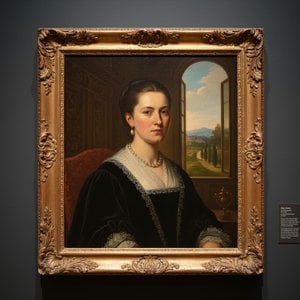
Palagimu umelecký vývoj nabral výrazný obrat v roku 1806, keď sa vydal do Ríma a hľadal ďalšie zdokonalenie na Accademia di San Luca. Predpokladá sa, že študoval pod vedením Vincenza Camucciniho, ktorého dôraz na historickú presnosť a starostlivé detaily zanechali nezmazateľnú stopu na Palagiho štýle. Toto rímske obdobie sa ukázalo ako prelomové, prinieslo pozoruhodné diela, ako napríklad „Portrét Giuseppe Guizzardiho v antickej uniforme“ (1807) a alegorickú prácu "Zoznam Amora a Psyche" (1808). Podujal sa aj ambicióznych historických malieb, ako je „Mario a Minturno“, čím predviedol svoj rastúcu zručnosť v naratívnej kompozícii. Okrem maliarstva na plátne boli Palagiho talenty žiadané pre rozsiahle dekoratívne projekty, vrátane fresiek v Palazzo del Quirinale a Palazzo Torlonia, čím demonštroval svoju schopnosť bezproblémovo spájať umeleckú víziu s architektonickým priestorom. V roku 1815 sa Palagi presťahoval do Milána, kde založil súkromnú školu, ktorá priamo spochybňovala zavedenú autoritu Accademia di Brera. Tento odvážny krok podčiarkol jeho sebadôveru v svoj pedagogický prístup a jeho závätok k podporovaniu nezávislého umeleckého prejavu. Počas tohto milánskeho obdobia sa primárne venoval portrétovaní, zachytávajúc podobizeň prominentných osobností ako Giuseppe Bossi a Andrea Appiani, čím si upevnila povesť vyhľadávaného umelca v elitných spoločenských kruhoch.
Kráľovská patronácia a umelecká zrelosť
Novú éru priviedol rok 1832, keď Palagi získal patronát kráľa Karla Alberta zo Sardinie. Táto kráľovská podpora otvorila dvere významným zákazkám pre rôzne kráľovské rezidencie a transformovala smer jeho kariéry. Hlboko sa zapojil do rozsiahlych projektov rozšírenia v zámku Racconigi a modernizačných iniciatív na Palazzo Reale v Turíne, čím predviedol nielen svoje maliarske schopnosti, ale aj svoju zdatnosť v architektonickom dizajne a interiérovom dizajne. Jeho prínos bol formálne uznaný menovaním za vedúceho projektov na reštaurovanie obrazov a dekoratívnych prvkov a do funkcie predsedu zdobenia (cattedra di ornato) na Accademia Albertina, čím si upevnila svoju pozíciu ako poprednej postavy v talianskom umeleckom svete. Snáď najmajestátnejším svedectvom jeho umeleckej zručnosti počas tohto obdobia je „Tanc Hora“, úchvatná freska na strope, ktorú objednal pre tanečnú sálu Palazzo Reale v Turíne. Táto práca ilustruje Palagiho schopnosť syntetizovať klasické princípy so vzostupujúcou romantickou zmyselnosťou a vytvárať dynamickú a emocionálne rezonujúcu kompozíciu, ktorá naďalej očaruje divákov.
Syntéza štýlov a trvalé dedičstvo
Umelecký štýl Pelagia Palagiho predstavuje fascinujúcu syntézu neoklasicistickej prísnosti a vzostupujúcich romantických tendencií. Jeho skoré školenie mu vložilo hlbokú úctu k jasnosti, poriadku a dodržiavaniu klasických foriem – vlastností zreteľných v jeho starostlivo vykreslených portrétoch a historických obrazoch. Avšak pod vplyvom umelcov ako Francesco Hayez postupne začal do svojej práce zapájať prvky dramatickej kompozície a emocionálneho prejavu, čo viedlo k dielam ako „Gian Galeazzo Sforza“ a „Ratto delle Sabine“. Ochota prijať nové umelecké prúdy a zároveň zostať zakorenený v klasických princípoch definuje jedinečný charakter jeho diela. Okrem svojich úspechov ako maliara a sochára bol Palagi vášnivým zberateľom, ktorý nazbieral pôsobivú zbierku gréckej, egyptskej, etruskej a rímskej sochy, predmetov a mincí. Po svojej smrti v roku 1860 rozsiahlo daroval túto pozoruhodnú zbierku spolu s knihovňou, archívom a kresbami Comune di Bologna. Tieto poklady sú dnes umiestnené v Museo Civico Archeologico, Museo Civico Medievale a Biblioteca Comunale dell'Archiginnasio, čím sa zabezpečuje, že Palagiho dedičstvo ako všestranného umelca, zberateľa a vplyvnej postavy v 19. storočnom talianskom umení pretrváva pre generácie. *Jeho prínos presahoval plátno a drevo; bol to skutočný polymath, ktorý zanechal nezmazateľnú stopu na kultúrnej krajine svojej doby.*



 Zobraziť v interiéri
 Objednať ručne maľovanú reprodukciu
 Odoslať
 Zdieľať
 Podrobnosti
 Príručkovo

 Stiahnuť
 Podobné položky
 RTG skúška
 Prehliadanie diapo\]
 Štatistiky


 Prečítať si viac






































 Možnosť skla je dostupná len pri rozmeroch pod 110 cm