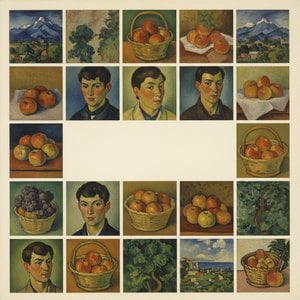
Život ponorený do farieb a tvarov
Paul Klee, meno synonymné s hravou abstrakciou a hlbokou emocionálnou hĺbkou, zaujíma jedinečné postavenie v krajine umenia 20. storočia. Narodil sa 18. decembra 1879 v Mníchbuchsee vo Švajčiarsku a jeho umelecká cesta bola cestou neustáleho skúmania, ktorá popierala ľahké kategórie a formovala chodbu, ktorá spájala vplyvy expresionizmu, kubizmu a surrealizmu do výrazne osobného vizuálneho jazyka. Kleeovo detstvo podporovalo skoré ocenenie umenia; jeho otec, nemecký učiteľ hudby, a matka, švajčiarska speváčka, v ňom vštepovali citlivosť na sluchovú aj vizuálnu harmóniu. Toto základné spojenie medzi hudbou a maľbou sa stalo definujúcou charakteristikou jeho diela, formujúc nielen jeho kompozičný prístup, ale aj teoretické pochopenie umenia ako formy abstraktného výrazu podobnej hudobnému aranžmánu. Klee, ktorý bol spočiatku priťahovaný kreslením, čoskoro opustil snahu o realistickú reprezentáciu a uznal jej obmedzenia v sprostredkovaní vnútorného sveta emócií a nápadov, ktoré sa snažil vyjadriť. V rokoch 1898 až 1901 študoval na Akadémii výtvarných umení v Mníchove, obdobie poznačené experimentovaním a rozvojom jeho jedinečného umeleckého hlasu.
Formovanie umeleckej vízie
Kleeova skorá tvorba odráža vplyv secesie a symbolizmu, no aj v týchto rámcoch sa začali objavovať náznaky jeho budúceho štýlu. Zlomovým momentom v jeho umeleckom vývoji bola cesta do Tuniska v roku 1914. Intenzívne svetlo a živá atmosféra severnej Afriky hlboko ovplyvnili jeho používanie farieb, inšpirujúc ho k prechodu od tlmených tónov k odvážnejším, expresívnejším paletám. Táto skúsenosť znamenala zlomový bod, ktorý upevnil jeho oddanosť abstrakcii ako prostriedku zachytenia podstaty vnímania namiesto iba napodobňovania jej povrchu. Nepozoroval len Tunisko; prekladal jeho emocionálnu rezonanciu do vizuálnej formy. Počas tohto obdobia sa Klee zaoberal rôznymi umeleckými smermi, absorbujúc ich princípy a zároveň odolávajúc úplnému podriadeniu sa akejkoľvek jednoduchej ideológii. Jeho záujem o hudbu zostával prvoradý a často hovoril o maľbe ako o procese analógovom komponovaniu hudobných skladieb – starostlivom usporiadaní prvkov na vytvorenie harmonického celku. Tento synestetický prístup je evidentný v rytmickej kvalite jeho línií, jemnej rovnováhe farieb a celkovom pocite pohybu, ktorý preniká mnohými z jeho diel.
Bauhaus a ďalšie obdobie: Obdobie rozkvetu
Od roku 1931 do 1933 Klee prijala učiteľské miesto na vplyvnej škole umenia, dizajnu a architektúry Bauhaus po boku Wassilyho Kandinského. Toto obdobie sa ukázalo ako pozoruhodne plodné pre jeho umelecký vývoj. Obklopený inovatívnymi mysliteľmi a kolegami klesal v prostredí, ktoré povzbudzovalo experimentovanie a teoretický výskum. Jeho práca počas týchto rokov hlbšie skúmala teóriu farieb a formálne vzťahy a skúmala interakciu medzi abstraktnými formami a emocionálnym výrazom. Tento kreatívny raj však rozbil nástup nacizmu v Nemecku. V roku 1933 bol Klee prepustený z Bauhausu, pretože jeho umenie bolo nacistickým režimom označené za „degenerované“ – mrazivý dôkaz nebezpečenstva politickej ideológie potlačujúcej umeleckú slobodu. Násilne sa vrátil do Švajčiarska a pokračoval v maľovaní, ale jeho zdravie sa zhoršilo pod tieňom rastúcich politických nepokojov a osobných ťažkostí. Napriek týmto výzvam zostal Klee verný svojej umeleckej vízii a produkoval diela, ktoré odrážali úzkosť danej doby a jeho trvalú vieru v silu umenia prekonať nepriazeň osudu.
Témy, štýl a trvalé dedičstvo
Práce Paula Kleea sa vyznačujú podmanivou zmesou hravosti a hlbokej kontemplácie. Často používal detské motívy a rozkošné kompozície, vnášajúc do nich vrstvy symbolického významu. Opakujúce sa témy v jeho umení zahŕňajú záhrady, krajiny, portréty a abstraktné aranžmány – každá slúži ako prostriedok na skúmanie zložitosti ľudskej skúsenosti. Jeho „Paul Klee Notebooks“, publikované posmrtne, ponúkajú neoceniteľný vhľad do jeho rozsiahlych teoretických vyšetrovaní farieb a dizajnu, odhaľujúc dôkladný a intelektuálny prístup k umeleckej tvorbe. Klee len nemaľoval; konštruoval vizuálny jazyk založený na princípoch harmónie, rovnováhy a emocionálnej rezonancie.
Hamamet,
Siblings a
En la corriente seis umbrales sú len niekoľko príkladov demonštrujúcich jeho majstrovstvo farieb a tvarov. Paul Klee zomrel 29. júna 1940 v Muralto vo Švajčiarsku, zanechávajúc odkaz, ktorý naďalej inšpiruje umelcov a uchvacuje publikum po celom svete. Správne je považovaný za jednu z najdôležitejších postáv umenia 20. storočia, premostil medzeru medzi figuratívnym a abstraktným výrazom a upevnil svoje miesto ako ikonického inovátora, ktorého dielo zostáva večnou relevantné.
Múzeá & Ďalšie skúmanie
- Zentrum Paul Klee (Bern): Domov najväčšej zbierky diel Kleeho na svete, ponúkajúce komplexný prehľad jeho umeleckej cesty.
- Museum of Fine Arts Bern: Predstavuje významné diela Kleeho popri majstrovských dielach Picassa a Hodlera.
- Kunstmuseum Bern: Najstaršie umelecké múzeum vo Švajčiarsku, prezentujúce rozmanitú zbierku vrátane prác od Kleeho a ďalších moderných majstrov.
Jeho vplyv presahuje oblasť maľby a zasahuje do oblastí ako dizajn, architektúra a hudba. Trvalá príťažlivosť práce Paula Kleeho spočíva v jeho schopnosti vyvolať pocit úžasu a pozvať divákov k zapojeniu sa do umenia na emocionálnej aj intelektuálnej úrovni – dôkaz jeho geniality a trvalého prínosu svetu vizuálnej kultúry.



 Náhľad
 Kúpiť ručne maľovaný obraz
 Odoslať
 Zdieľať
 Podrobnosti o dielo

 Stiahnuť
 Podobné diela
 RTG skúška
 Prezentácia
 Štatistiky

 Zobraziť viac






































 Možnosť skla je dostupná len pri rozmeroch pod 110 cm