BEZPLATNÉ UMENÍCKE PORADENSTVO

x
Objednať reprodukciu Objednať reprodukciuKúpiť digitálnu verziu Kúpiť digitálnu verziu OdoslaťOdoslať
PodrobnostiPodrobnosti Pridať do obľúbených Pridať do obľúbených StiahnuťStiahnuť Podobné dielaPodobné diela RTG skúškaRTG skúška PrezentáciaPrezentácia

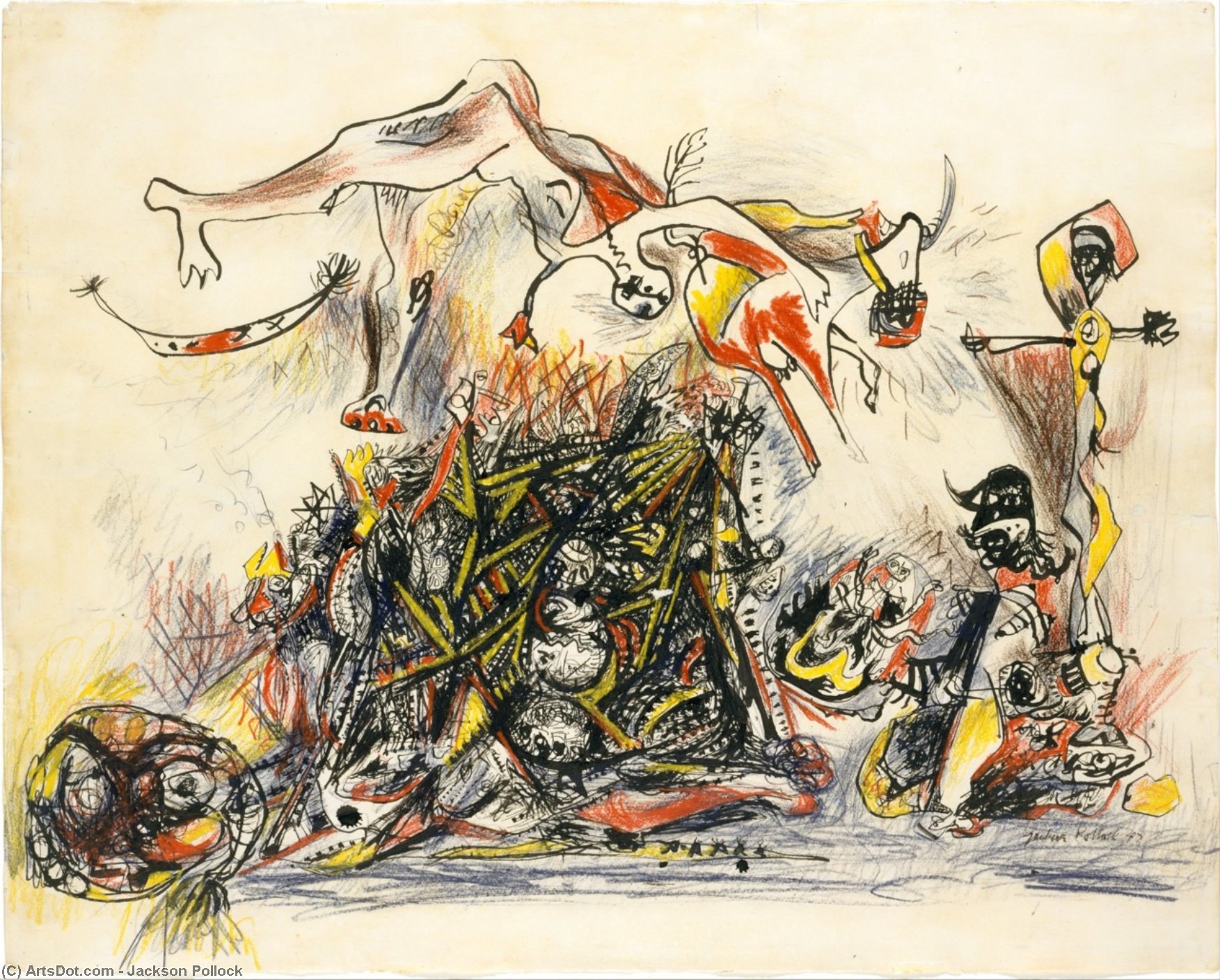
War

Paul Jackson Pollock (1912-1956) bol americký maliar, ktorý sa stal inovatívnym predstaviteľom abstraktného expresionizmu a techniky "drip painting". Jeho ikonické diela, ako "Číslo 1" a "Modré polia", odrážajú dynamiku, emócie a revolučný prístup k tvorbe.

Giclée / Umenotlač

Giclée tlač alebo plátno múzeálnej kvality s rýchlou výrobou a flexibilnými možnosťami povrchovej úpravy.

P118B $10
P118H $10
P118W $10
P438Z $10
P508JH $12
P508YH $12
P805H $10
P805Z $10
P919BZ $10
P919G $10
P919XJ $10
P959ZH $10
P968JZ $12
W106C $8
W218G $10
W218JH $8
W218Y $10
W307PJ $10
W316G $10
W316PJ $8
W316Y $10
W398PJ $8
W4111J $10
W500HY $15
W500JH $15
W692G $12
W849H $8
W940BG $15
W953PJ $8

Standard
custom
CM
INCH

Vyberte si z našich preddefinovaných rozmerov, ktoré zodpovedajú pôvodným pomeroḿ diela.

šírka
výška

Môžete zadať vlastné rozmery, aby sa reprodukcia prispôsobila konkrétnemu rámu alebo priestoru. Ak zvolená veľkosť nebude zodpovedať proporciám originálu, dielo buď orežeme, alebo obraz rozšírime pomocou zrkadlenia či farebného doplnenia okrajov. Pred začatím výroby vám pošleme digitálnu ukážku na schválenie.
Máte na vedomí, že náhľad na obrazovke neodzrkadľuje skutočné orezanie alebo rozšírenie. Len digitálna ukážka presne zobrazí finálnu kompozíciu.
Hoci sú k dispozícii vlastné rozmery, pre zachovanie pôvodných proporcií odporúčame vybrať si rozmer z vopred definovaného zoznamu.

Celosvetová doprava () do 2 týždňov namiesto štandardných 4/5 týždňov. (3 júl)

why_choose_icon
Bezplatná expresná doprava po celom svete
why_choose_icon
Prémiové lnianske plátno
why_choose_icon
Kompletné poistenie prepravy
why_choose_icon
Záruka vrátenia colného poplatku
why_choose_icon
Záruka presného farebného zhodnutia
why_choose_icon
60-dňá politika vrátenia (iba pri defektoch)
why_choose_icon
100% záruka vrátenia peňazí
why_choose_icon
Výhodná množstevná zľava

Celková cena

-

reproduction

War

Giclée / Umenotlač

Veľkosť reprodukcie

-

Celková cena za vybrané možnosti

-

Základné informácie

  • Title: War
  • Medium: Ink & Colored Pencils
  • Notable elements: Drip technique, figures
  • Artistic style: Chaotic, dynamic
  • Dimensions: 20 5/8 in x 26 in
  • Subject or theme: Conflict, turmoil
  • Influences:
    • Picasso
    • Siqueiros

Kvíz o umení

Pri každej otázke je iba jedna správna odpoveď.

Otázka 1:
What artistic movement is Jackson Pollock most closely associated with?
Otázka 2:
The painting 'War' primarily evokes which of the following emotions?
Otázka 3:
Which artist’s style is most reminiscent of Jackson Pollock's 'War'?
Otázka 4:
What technique is most prominently featured in Jackson Pollock’s ‘War’?
Otázka 5:
The painting 'War' was created during which historical period?

Popis predmetu

War: A Descent into Chaos – Jackson Pollock’s Post-Traumatic Masterpiece

Jackson Pollock's *War*, painted in 1947, isn’t merely a canvas splashed with color; it’s a visceral embodiment of the anxieties and turmoil gripping America in the aftermath of World War II. This monumental work, rendered in thick layers of black ink and colored pencil on paper, plunges the viewer into a maelstrom of fragmented figures, violent gestures, and unsettling symbols – a direct reflection of the psychological landscape of a nation grappling with unprecedented devastation and uncertainty. The painting’s power lies not in representational accuracy but in its raw emotional intensity, a hallmark of Jackson Pollock's pioneering approach to Abstract Expressionism. It’s a piece that demands attention, inviting contemplation on themes of conflict, loss, and the enduring scars of war.

The Language of Drip: Technique and Process

Pollock’s signature “drip” technique is utterly central to *War*'s impact. He abandoned traditional brushwork, instead pouring, dripping, and splattering paint directly onto the canvas laid flat on the floor – a revolutionary act that liberated him from the constraints of easel painting. This method wasn't random; it was meticulously controlled chaos. The layering of ink creates a dense, almost sculptural surface, punctuated by sharp lines and frantic bursts of color—primarily black, red, and yellow—that seem to writhe with barely contained energy. Notice how he utilizes both linear strokes and areas of broad, diffused color, creating a dynamic tension between order and disorder. The sheer physicality of the process is evident in the visible texture and the sense that the painting was actively *made*, rather than passively observed. It’s as if Pollock wrestled with his demons onto the surface, channeling his anxieties into this monumental expression.

Abstract Expressionism: A Reflection of a Fractured World

*War* stands as a pivotal example of Abstract Expressionism, an artistic movement that exploded in New York during the 1940s and 50s. Rejecting European traditions, American artists like Pollock sought to express raw emotion and subjective experience through non-objective forms. Unlike earlier movements focused on depicting reality, Abstract Expressionists aimed to capture the inner world—the anxieties, fears, and hopes—of the individual. *War* embodies this ethos perfectly, eschewing recognizable imagery in favor of a symbolic language that speaks directly to the viewer’s subconscious. It's deeply connected to the broader cultural context of the post-war era, a time marked by disillusionment, fear of nuclear annihilation, and a profound sense of societal upheaval.

Decoding the Symbols: Figures of Conflict and Despair

The painting is populated with unsettling figures—human and animal—engaged in what appears to be a chaotic battle or ritualistic sacrifice. A hooded figure, reminiscent of Christ on the cross, dominates the right side of the composition, while a bull, often associated with primal instincts and aggression, looms over a pile of human debris. The fragmented nature of these forms suggests a breakdown of order and humanity, mirroring the devastation of war. The presence of the animal adds another layer of complexity, hinting at the brutal, instinctual forces that drive conflict. Some art historians have linked the imagery to Picasso’s *Guernica*, suggesting a dialogue between two artists grappling with the horrors of modern warfare. The overall effect is profoundly disturbing, forcing the viewer to confront the uncomfortable realities of violence and loss.

A Legacy of Raw Emotion: Pollock's Enduring Impact

*War* remains a powerfully resonant work, not just for its historical significance but also for its enduring emotional impact. It’s a testament to Jackson Pollock’s innovative technique and his willingness to explore the darkest corners of the human psyche. Reproductions of *War*, offered by WahooArt.com, allow you to bring this monumental piece into your own space, experiencing its raw energy and unsettling beauty firsthand. Its continued relevance speaks volumes about the timeless nature of art's ability to capture and convey the complexities of the human experience—particularly in times of profound turmoil. Consider exploring other works by Pollock, Mark Rothko, or Lee Krasner – artists who similarly sought to express the emotional realities of their era through bold, innovative approaches to painting.

Podobné diela


Biografia umelca

Early Life and the Seeds of Innovation

Paul Jackson Pollock, born in Cody, Wyoming, in 1912, was a restless spirit from the very beginning. His early life was marked by constant movement; his father, LeRoy Pollock, pursued work as a land surveyor across the vast landscapes of the American West, relocating the family frequently. This itinerant existence instilled in young Pollock a deep connection to the natural world and an exposure to diverse cultures – particularly through encounters with Native American art during those surveying trips. These early experiences, filled with the raw energy of the frontier and the traditions of indigenous peoples, subtly shaped his artistic vision later in life, though he never explicitly imitated these styles. Despite the challenges of a nomadic upbringing, Pollock’s mother, Stella May McClure, recognized and nurtured her son's creative potential, fostering an appreciation for art within the family. Pollock’s formal artistic training began at the Manual Arts High School in Los Angeles, where he developed a foundational understanding of drawing and design. Following this, he continued his studies at the Art Students League of New York under the guidance of Thomas Hart Benton, a prominent figure in the Regionalist movement. Benton emphasized rhythmic composition and narrative themes rooted in American life – a style that initially influenced Pollock’s work, encouraging him to explore dynamic forms and tell stories through visual elements. However, Pollock's inherent inclination leaned towards more abstract explorations, seeking ways to express emotions and ideas beyond representational imagery. Furthermore, he was profoundly impacted by Mexican muralists like José Clemente Orozco, whose powerful depictions of social struggle resonated deeply with his own sense of justice and the human condition. These early influences – the rugged beauty of the American West, the traditions of Native Americans, and the dramatic narratives of Regionalist art combined with the passionate social commentary of Mexican murals – laid a foundation for Pollock’s unique artistic voice.

The Birth of Action Painting and a Revolutionary Technique

The 1930s witnessed a period of experimentation for Pollock as he sought alternatives to traditional brushwork, driven by a desire to capture spontaneity and emotion in his art. He began exploring various techniques, including pouring paint directly onto the canvas – an unconventional approach that would ultimately revolutionize painting. Around 1947, however, Pollock’s artistic trajectory underwent a radical transformation. Abandoning the easel entirely, he laid canvases directly on the floor of his studio, initiating what would become known as his “drip technique.” This involved dripping, splashing, and flinging paint onto the canvas from above, orchestrating a dynamic dance between artist, medium, and surface. This wasn’t merely about applying paint; it was about embodying the act of creation itself. Pollock's canvases became arenas for physical expression, capturing the immediacy of his gestures and emotions. The resulting paintings are characterized by their “all-over” composition – a lack of central focus that invites the viewer to explore the entire surface as a unified field of energy. Intricate networks of lines and colors intertwine, creating a visual complexity that is both captivating and challenging. He employed unconventional tools—sticks, knives, even syringes—to manipulate the paint in unpredictable ways, further emphasizing the spontaneous nature of his process. This innovative approach positioned Pollock as a central figure in the burgeoning Abstract Expressionist movement, which emerged in post-World War II New York City.

Iconic Works and Lasting Legacy

Pollock’s most celebrated works—such as Number 1, 1950 (Lavender Mist), One: Number 31, 1950, Blue Poles: Number 11, 1952, and *Convergence*—are testaments to his revolutionary technique. These paintings are not simply images; they are records of a performance, imbued with the artist’s physical presence and emotional intensity. The dynamic energy that emanates from these canvases is palpable, drawing viewers into a world of pure abstraction. Works like *Blue Poles*, with its vibrant blue hues and swirling patterns, became instantly iconic, capturing the public's imagination and solidifying Pollock’s reputation as a groundbreaking artist. Beyond the technical aspects of his technique, Pollock’s work explored profound themes related to human experience – anxiety, spirituality, and the search for meaning in a rapidly changing world. His paintings are often described as “action paintings,” reflecting the physical energy and process involved in their creation. The scale of these works—often monumental in size—further emphasized the immersive nature of Pollock’s artistic practice, inviting viewers to engage with his art on a visceral level.

Influence and Historical Significance

Jackson Pollock's impact on the history of art is immeasurable. He fundamentally altered the way artists approached painting, breaking free from easel-based methods and embracing a more performative approach. His work helped solidify New York City’s position as a global center for modern art, shifting the focus away from European dominance. Pollock's influence can be seen in the work of countless artists who followed, including those associated with Color Field painting and later forms of abstract expressionism. He wasn’t simply creating beautiful images; he was redefining what it meant to be an artist in the 20th century. His legacy continues to inspire artists today, demonstrating the power of experimentation, spontaneity, and emotional honesty in artistic creation. Despite initial skepticism from some critics, Pollock's work has since been recognized as a cornerstone of modern art, securing his place among the most important and influential figures in the history of painting.
Paul Jackson Pollock

Paul Jackson Pollock

1912 - 1956 , Spojené štáty americké

Základné informácie

  • Artistic Movement Or Style: Abstraktný expresionizmus
  • Artists Or Movements Influenced By This Artist:
    • Color Field painting
    • Surrealizmus
  • Artists Who Influenced This Artist:
    • Thomas Hart Benton
    • José Clemente Orozco
  • Date Of Birth: 28.1.1912
  • Date Of Death: 11.8.1956
  • Full Name: Paul Jackson Pollock
  • Nationality: Americký
  • Notable Artworks:
    • Číslo 1, 1949
    • Jeseňský rytmus
    • Číslo 1A
  • Place Of Birth: Cody, USA
Preskúmajte umelecká diela usporiadané podľa tém, štýlov a charakteristík.