BEZPLATNÉ UMENÍCKE PORADENSTVO

x
Kúpiť tlač Kúpiť tlačObjednať reprodukciu Objednať reprodukciu OdoslaťOdoslať
PodrobnostiPodrobnosti Pridať do obľúbených Pridať do obľúbených StiahnuťStiahnuť Podobné dielaPodobné diela RTG skúškaRTG skúška PrezentáciaPrezentácia

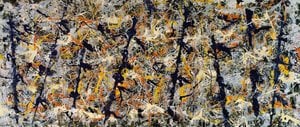
Grayed Rainbow

Paul Jackson Pollock (1912-1956) bol americký maliar, ktorý sa stal inovatívnym predstaviteľom abstraktného expresionizmu a techniky "drip painting". Jeho ikonické diela, ako "Číslo 1" a "Modré polia", odrážajú dynamiku, emócie a revolučný prístup k tvorbe.

Kúpte si digitálnu snímku vo vysokom rozlíšení s vylepšenými detailmi, ktorá je oveľa kvalitnejšia než online náhľad.

Každý súbor starostlivo pripravujú naši interní špecialisti pomocou pokročilých nástrojov a odborného manuálneho retušovania. Zabezpečujeme, aby každý obrázok disponoval výnimočnou čistotou, presnou farebnou vernosťou a jemnými detailmi.

Konečný súbor vám bude doručený e-mailom do 72 hodín, optimalizovaný pre okamžité použitie v profesionálnom, redakčnom aj tlačovom prostredí. Ide o rovnakú kvalitu, ktorej dôverajú špičkové dizajnérske štúdiá, vydavateľstvá a galérie.

Digitálny obraz

Stiahnite si vysokorozlíšený súbor na osobné zobrazovanie, tlačenie a kreatívne projekty.

Celková cena

$9.99

Súčasťou každej objednávky digitálneho obrazu

Expetórne digitálne doručenie, garantované

Keď si vyberiete WahooArt.com, nedostávate len obrázok – získate profesionálne upravené digitálne umenie, vytvorené s precíznosťou a so zárukou vašej maximálnej spokojnosti. Tu je všetko, čo je súčasťou vašej objednávky automaticky:

shipping_icon
Rýchle doručenie e-mailom

Vaša vysokorozlíšená digitálna súprava obrázkov vám bude zaslaná e-mailom do 72 hodín od objednávky – pripravená na okamžité použitie.

canvas_icon
Digitálny súbor s vylepšením AI

Vaše dielo je profesionálne optimalizované pomocou pokročilých nástrojov umelej inteligencie a manuálnej editácie, čo zaručuje maximálnu úroveň detailov, čistotu a presnosť farieb.

insurance_icon
Bezplatné celoživotné opätovné doručenie

Náhodou ste zmazali alebo ste stratili svoj súbor? Nebavžte sa – pošleme vám ho kedykoľvek znova, úplne bez poplatkov.

tax_icon
Bez poplatkov za dovoz – navždy

Užite si svoje umelodelo okamžite bez colných poplatkov, daní alebo nákladov na dopravu – digitálne stiahnutia sú vždy oslobodené od dane.

color_icon
Garantovaná presnosť farieb

Pomocou profesionálnych nástrojov a farebného manažmentu zabezpečujeme, aby vaša digitálna fotografia čo najpresnejšie odrážala pôvodné farby.

return_icon
60-dňová záruka spokojnosti

Ak nebudete spokojní so svojou digitálnou fotografiou, upravíme ju alebo vám vrátime 100% v priebehu 60 dní – bez zbytočných otázok.

guarantee_icon
100% Záruka vrátenia peňazí

Nie ste spokojní? Získajte plnú náhradu peňazí do 60 dní od prijatia vášho digitálneho súboru – bez zbytočných otázok.

discount_icon
Zľavy pri veľkom odbere

Kúpte si 3 obrazy, ušetrite 10% - Kúpte si 5, ušetrite 15% - Kúpte si 10+, ušetrite 20%. Ideálne pre kreatívne projekty, galérie a agentúry.

Základné informácie

  • Medium: Oil painting
  • Title: Grayed Rainbow
  • Year: 1953
  • Movement: Abstract Expressionism
  • Artistic style: Action Painting
  • Subject or theme: Color exploration
  • Influences:
    • Regionalist painters
    • Surrealism

Kvíz o umení

Pri každej otázke je iba jedna správna odpoveď.

Otázka 1:
What artistic movement is Jackson Pollock most associated with?
Otázka 2:
In what year was ‘Grayed Rainbow’ painted?
Otázka 3:
What technique is Pollock primarily known for using in this painting?
Otázka 4:
Where can you find ‘Grayed Rainbow’ displayed?
Otázka 5:
What is a key characteristic of Abstract Expressionism that 'Grayed Rainbow' exemplifies?

Popis zberateľského predmetu

Grayed Rainbow

Jackson Pollock was a revolutionary figure in the abstract expressionist movement, reshaping artistic perception and challenging conventional notions of painting. His groundbreaking drip technique—characterized by pouring and splattering paint onto canvas—established him as one of the most influential artists of the 20th century, cementing his place in art history.

“The Grayed Rainbow,” painted in 1953, exemplifies Pollock’s distinctive style. This monumental canvas transcends mere visual representation; it embodies a profound exploration of emotion and process, inviting viewers into a dialogue with the artist's subconscious.

The Artist and His Style

Born Paul Jackson Pollock on January 28, 1912, in Cody, Wyoming, Pollock’s formative years were marked by nomadic experiences shaped by his father’s profession as a land surveyor. This itinerant upbringing instilled within him an inherent restlessness—a desire to break free from established boundaries and forge new artistic paths.

He pursued formal training at NYU and the Art Students League, absorbing foundational techniques while simultaneously rejecting academic constraints. Early influences included regionalist painters like Thomas Hart Benton and David Alfaro Siqueiros, alongside the stylistic explorations of Surrealism and Native American art—elements that would coalesce into Pollock’s singular vision.

The Painting: The Grayed Rainbow

“The Grayed Rainbow” is a testament to Pollock's mastery of drip painting. Measuring 68 x 104 inches, the canvas pulsates with dynamic energy as countless lines and shapes cascade across its surface. Paint was applied using a variety of methods—from forceful pours to delicate splatters—creating a textured tapestry that defies categorization.

Dominantly gray, punctuated by flashes of black, white, and orange, the painting speaks to themes of chance, spontaneity, and the inherent beauty found within imperfection. Pollock’s deliberate disregard for traditional compositional rules underscores his commitment to conveying raw emotion and capturing the immediacy of artistic creation.

Significance in Abstract Expressionism

“The Grayed Rainbow” stands as a cornerstone of abstract expressionism—a movement born from the anxieties and aspirations of postwar America. Artists like Pollock sought to liberate painting from representational constraints, prioritizing gesture and emotion over precise depiction.

Pollock’s exploration of color—particularly the subtle interplay between gray and hidden hues—reflects a fascination with both the natural world and psychological depth. The painting encourages contemplation on the relationship between form and feeling, inviting viewers to interpret its visual language as they see fit.

Discover more about abstract expressionism and other art movements on https://WahooArt.com.

Learn more about Jackson Pollock and his work on https://WahooArt.com.

Podobné diela


Životopis umelca

Early Life and the Seeds of Innovation

Paul Jackson Pollock, born in Cody, Wyoming, in 1912, was a restless spirit from the very beginning. His early life was marked by constant movement; his father, LeRoy Pollock, pursued work as a land surveyor across the vast landscapes of the American West, relocating the family frequently. This itinerant existence instilled in young Pollock a deep connection to the natural world and an exposure to diverse cultures – particularly through encounters with Native American art during those surveying trips. These early experiences, filled with the raw energy of the frontier and the traditions of indigenous peoples, subtly shaped his artistic vision later in life, though he never explicitly imitated these styles. Despite the challenges of a nomadic upbringing, Pollock’s mother, Stella May McClure, recognized and nurtured her son's creative potential, fostering an appreciation for art within the family. Pollock’s formal artistic training began at the Manual Arts High School in Los Angeles, where he developed a foundational understanding of drawing and design. Following this, he continued his studies at the Art Students League of New York under the guidance of Thomas Hart Benton, a prominent figure in the Regionalist movement. Benton emphasized rhythmic composition and narrative themes rooted in American life – a style that initially influenced Pollock’s work, encouraging him to explore dynamic forms and tell stories through visual elements. However, Pollock's inherent inclination leaned towards more abstract explorations, seeking ways to express emotions and ideas beyond representational imagery. Furthermore, he was profoundly impacted by Mexican muralists like José Clemente Orozco, whose powerful depictions of social struggle resonated deeply with his own sense of justice and the human condition. These early influences – the rugged beauty of the American West, the traditions of Native Americans, and the dramatic narratives of Regionalist art combined with the passionate social commentary of Mexican murals – laid a foundation for Pollock’s unique artistic voice.

The Birth of Action Painting and a Revolutionary Technique

The 1930s witnessed a period of experimentation for Pollock as he sought alternatives to traditional brushwork, driven by a desire to capture spontaneity and emotion in his art. He began exploring various techniques, including pouring paint directly onto the canvas – an unconventional approach that would ultimately revolutionize painting. Around 1947, however, Pollock’s artistic trajectory underwent a radical transformation. Abandoning the easel entirely, he laid canvases directly on the floor of his studio, initiating what would become known as his “drip technique.” This involved dripping, splashing, and flinging paint onto the canvas from above, orchestrating a dynamic dance between artist, medium, and surface. This wasn’t merely about applying paint; it was about embodying the act of creation itself. Pollock's canvases became arenas for physical expression, capturing the immediacy of his gestures and emotions. The resulting paintings are characterized by their “all-over” composition – a lack of central focus that invites the viewer to explore the entire surface as a unified field of energy. Intricate networks of lines and colors intertwine, creating a visual complexity that is both captivating and challenging. He employed unconventional tools—sticks, knives, even syringes—to manipulate the paint in unpredictable ways, further emphasizing the spontaneous nature of his process. This innovative approach positioned Pollock as a central figure in the burgeoning Abstract Expressionist movement, which emerged in post-World War II New York City.

Iconic Works and Lasting Legacy

Pollock’s most celebrated works—such as Number 1, 1950 (Lavender Mist), One: Number 31, 1950, Blue Poles: Number 11, 1952, and *Convergence*—are testaments to his revolutionary technique. These paintings are not simply images; they are records of a performance, imbued with the artist’s physical presence and emotional intensity. The dynamic energy that emanates from these canvases is palpable, drawing viewers into a world of pure abstraction. Works like *Blue Poles*, with its vibrant blue hues and swirling patterns, became instantly iconic, capturing the public's imagination and solidifying Pollock’s reputation as a groundbreaking artist. Beyond the technical aspects of his technique, Pollock’s work explored profound themes related to human experience – anxiety, spirituality, and the search for meaning in a rapidly changing world. His paintings are often described as “action paintings,” reflecting the physical energy and process involved in their creation. The scale of these works—often monumental in size—further emphasized the immersive nature of Pollock’s artistic practice, inviting viewers to engage with his art on a visceral level.

Influence and Historical Significance

Jackson Pollock's impact on the history of art is immeasurable. He fundamentally altered the way artists approached painting, breaking free from easel-based methods and embracing a more performative approach. His work helped solidify New York City’s position as a global center for modern art, shifting the focus away from European dominance. Pollock's influence can be seen in the work of countless artists who followed, including those associated with Color Field painting and later forms of abstract expressionism. He wasn’t simply creating beautiful images; he was redefining what it meant to be an artist in the 20th century. His legacy continues to inspire artists today, demonstrating the power of experimentation, spontaneity, and emotional honesty in artistic creation. Despite initial skepticism from some critics, Pollock's work has since been recognized as a cornerstone of modern art, securing his place among the most important and influential figures in the history of painting.

Paul Jackson Pollock

Paul Jackson Pollock

1912 - 1956 , Spojené štáty americké

Základné informácie

  • Artistic Movement Or Style: Abstraktný expresionizmus
  • Artists Or Movements Influenced By This Artist:
    • Color Field painting
    • Surrealizmus
  • Artists Who Influenced This Artist:
    • Thomas Hart Benton
    • José Clemente Orozco
  • Date Of Birth: 28.1.1912
  • Date Of Death: 11.8.1956
  • Full Name: Paul Jackson Pollock
  • Nationality: Americký
  • Notable Artworks:
    • Číslo 1, 1949
    • Jeseňský rytmus
    • Číslo 1A
  • Place Of Birth: Cody, USA