Biografia umelca
Život a cesta Paula Cézanna: Od Aix-en-Provence k revolúcii v umení
Paul Cézanne, narodený 19. januára 1839 v malebnom mestečku Aix-en-Provence na juhu Francúzska, predstavuje jednu z najvýznamnejších a zároveň najvplyvnejších postáv prechodu medzi impresionizmom konca 19. storočia a kubizmom začiatku 20. storočia. Jeho umelecká cesta nebola charakterizovaná okamžitým uznaním, ale skôr pomalým, intenzívnym procesom hľadania a experimentovania, plným pochybností a kritiky, ktorý nakoniec vyústil do dedičstva, ktoré navždy zmenilo smer moderného umenia. Cézanne pochádzal z majetnej rodiny – jeho otec bol spočiatku klobúkar a neskôr bankár – čo mu poskytlo finančnú stabilitu neobvyklú pre začínajúcich umelcov, umožňujúc mu venovať sa svojej vášni bez tlaku okamžitej komerčnej úspešnosti. Hoci ho otec spočiatku smeroval k právnickej kariére, neodolateľná potreba umeleckého vyjadrenia prevážila a Cézanne sa nakoniec vzdal práva, aby nasledoval svoje povolanie – rozhodnutie, ktoré definovalo jeho život. Počiatočné vplyvy zahŕňali romantizmus populárny v jeho mladosti a dedikáciu krajinárstva barbizonskej školy, no skutočný posun nastal prostredníctvom stretnutí s umelcami ako Paul Gauguin a Georges Seurat, ktorí priniesli inovatívne prístupy k farbe a forme.
Formovanie štýlu: Od temných tónov k geometrickej analýze
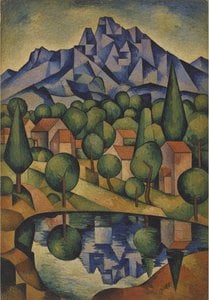
Cézannova raná tvorba často odrážala dramatické, emocionálne nabité témy charakteristické pre romantické maliarstvo – tmavé palety a expresívne ťahy štetcom dominovali jeho plátnam. Táto úvodná fáza však bola len stupienkom k ďalšiemu, radikálnejšiemu prístupu. Nespokojný s jednoduchým zachytávaním pomíjajúcich dojmov svetla, ako to preferovali impresionisti, Cézanne sa vydal na cestu hľadania a reprezentácie základnej štruktúry samotných objektov. Nesnažil sa len o to, *čo* vidí, ale aj o to, *ako* vníma fundamentálne formy tvoriace realitu. To ho priviedlo k rozkladu prírodných tvarov na ich geometrické ekvivalenty – kužele, valce, gule – predznamenávajúc kubistickú revolúciu o desaťročia neskôr. Jeho technika sa vyznačovala malými, opakujúcimi sa ťahmi štetcom, precízne vrstvenými na budovanie komplexných polí farieb a textúr, vytvárajúc pocit pevnosti a hĺbky, ktorý bol v maliarstve predtým nevídaný. Nezaujímal ho iluzionistický priestor; namiesto toho často prezentoval objekty z viacerých uhľov súčasne, spochybňujúc tradičné predstavy o perspektíve a nútiac diváka aktívne sa zapájať do konštruovaného charakteru jeho kompozícií. Toto úmyselné skreslenie nebolo náhodné, ale snaha o prenesenie komplexnejšieho porozumenia formy, reprezentujúce nielen jediný okamih v čase, ale syntézu vnímania.
Krajiny, zátišía a ľudská postava: Kľúčové diela a opakujúce sa motívy
Cézannovo dielo je pozoruhodne rozmanité, zahŕňajúce krajiny, zátišía, portréty a zobrazenia kúpačiek, no všetky sú spojené jeho jedinečným prístupom k forme a farbe. Jazierko v Jas de Bouffan, namaľované v roku 1880, je príkladom jeho krajinárskej tvorby, demonštrujúc schopnosť zachytiť podstatu prírody prostredníctvom starostlivého usporiadania tvarov a tónov. Portrét Émila Zolu, vytvorený v roku 1866, odhaľuje jeho rozvíjajúci sa štýl a ponúka presvedčivý pohľad do intelektuálnej intenzity jeho blízkeho priateľa a spisovateľa. Jeho zátišía, napríklad tie s jablkami a inými plodmi, nie sú len reprezentáciami objektov, ale skôr skúmaním objemu, svetla a priestorových vzťahov. Séria Mont Sainte-Victoire sa stala Cézannovou obsesiou, opakujúcim sa motívom, ktorý mu umožnil neúnavne skúmať formu a perspektívu po celé desaťročia. Tieto obrazy nie sú len zobrazením hory; sú štúdiami toho, ako vnímame hĺbku, objem a hru svetla a tieňa. Napokon, jeho séria Kúpačiek, zobrazujúca nahé postavy v idylických krajinách, predstavuje hlboké skúmanie ľudskej formy a jej spojenia s prírodou, často presiaknuté pocitom nadčasovosti a tichej kontemplácie.
Dedičstvo utkané inováciami: Cézannov vplyv na moderné umenie
Vplyv Paula Cézanna na nasledujúce generácie umelcov je nesmierny. Je všeobecne považovaný za „otca moderného umenia“ pre jeho priekopnícke príspevky k obrazovému jazyku, otvárajúc cestu mnohým významným umeleckým hnutiam 20. storočia. Pablo Picasso a Georges Braque boli hlboko zadlžení Cézannovým dôrazom na geometrické formy a viacnásobné perspektívy, ktoré sa stali ústrednými princípmi kubizmu. Jeho odvážne použitie farieb inšpirovalo aj faivistické hnutie, vedené umelcami ako Henri Matisse, ktorí prijali živé, nenaturalistické odtiene. Dokonca aj surrealistickí umelci našli rezonanciu v Cézannovom skúmaní subjektívneho vnímania a psychologickej hĺbky. Popri špecifických hnutích Cézannova trvalá naliehanie na osobnú víziu umelca a jeho odmietanie tradičných akademických obmedzení oslobodilo generácie maliarov, aby skúmali nové formy vyjadrenia. Spochybnil samotnú definíciu reprezentácie, posunúc zameranie zo snahy napodobniť realitu k konštruovaniu vizuálneho zážitku založeného na základnej štruktúre a subjektívnom vnímaní. Jeho smrť v roku 1906 neznamenala koniec, ale začiatok – úsvit novej éry v dejinách umenia, hlboko formovanej jeho revolučnou víziou.



 Zobraziť v interiéri
 Prepnúť na tlač
 Odoslať
 Zdieľať
 Podrobnosti
 Príručkovo

 Stiahnuť
 Podobné položky
 RTG skúška
 Prehliadanie diapo\]
 Štatistiky


 Prečítať si viac






































 Možnosť skla je dostupná len pri rozmeroch pod 110 cm