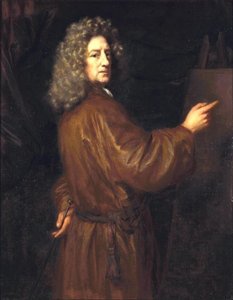
Život ponorený do holandského svetla a tieňa
Nicolaes Maes, meno, ktoré jemne rezonuje v panteóne majstrov holandského zlatého veku, sa narodil v Dordrecht v januári 1634 do sveta plného obchodnej prosperity a umeleckého fermentu. Jeho otec, Gerrit Maes, uspešný obchodník s látkami a vyrobca mydla, mu zabezpečil pohodlné detstvo, ktoré mu umožnilo rozvíjať svoj čoraz silnejší talent pre maľbu. Hoci jeho prvé kroky vedli k miestnemu umelcovi s modestnou slávou, kľúčový moment v Maesovom vývoji nastal, keď okolo roku 1648 odcestoval do Amsterdamu a vstúpil do dielne Rembrandta van Rijna. Toto učňovstvo sa ukázalo ako transformujúce; vpreti mu vpiel hlbokú vážnosť k dramatickému prepojeniu svetla a tieňa –
chiaroscuro – a majstrovskú ovládanie farby, ktoré definovalo jeho rané diela. Tento vplyv bol taký hlboký, že jeho rané maľby, ako napríklad zobrazenia biblických scén s postavami v reálnom meradle a bohatými, žiarivými tónmi, boli často náhodne prisypované samotnému Rembrandtovi. Tieto formujúce roky položili základy pre kariéru poznačenú nielen technickou brilanciou, ale aj intímnym pochopením ľudských emócií.
Z Rembrandtovho tieňa k nezávislej vízi
Po návrate do Dordrechtu v roku 1654 začal Maes budovať vlastnú umeleckú cestu a postupne sa vzdal priamej imitácie svojho bývalého majstra. Nasledujúce desiateปี svedčilo o posune smerom k menšej rozmerovej domácej žánrovej scénografii, no zároveň si zachoval živý kolorizmus, ktorý vstreboval počas svojho pobytu u Rembrandta. Svoj bystrý pohľad namieril na každodenný život holandských občanov a s neuveriteľnou detailnosťou a citom zobrazoval ženy zapojené do bežných činností – od prieščia vlny, cez čítanie svätého písma až po prípravu jedla. Osobitnú fascináciu v ňom vyvolalo zložité umenie čiprotvornosti, čo inšpirovalo početné variácie na toto téma, pričom každá bola dôkazom Maesovej precíznej pozorovateľnosti a zručnosti. Tieto obrazy neboli len jednoduchým zobrazením každodennosti; boli to okná do súkromného sférického sveta, ktoré odkrývali tichú dôstojnosť a jemné príbehy utkané do samotnej tkaniny holandskej spoločnosti 17. storočia. Jeho tvorba v tomto období demonštruje schopnosť zachytiť nielen to,
čo ľudia robili, ale aj to,
ako sa pri tom cítili.
Portrétista z Amsterdamu
V roku 1673 sa Maes presťahoval do Amsterdamu, čo bol krok signalizujúci nielen umeleckú ambíciu, ale aj bystrú adaptáciu na meniaci sa trh s umením. Mesto, ktoré ešte stále čelilo následkom vojen s Anglickom a Francúzskom, vykazovalo rastúcu demandovanosť portrétnej maľby a Maes si rýchlo vybudoval pozíciu jedného z jeho najvýznamnejších predstaviteľov. Opustil väčšinu svojej ranšej žánrovej tvorby a sústredil sa namiesto toho na zachytávanie podoby a osobnosti významných obyvateľov Amsterdamu. Jeho portréty sú charakterizované vyvinutou eleganciou a psychologickým vhľadom, ktorý odhaľuje nielen fyzickú podobnosť, ale aj nádeje na charakter a sociálne postavenie. Diela ako „Portrét Gerarda Rövera, obchodníka a majiteľa lodí v Amstergame“ tento zručnosť exemplifikujú, pričom predstavujú dôstojný portrét bohatstva a občianskej hrdosti. Stal sa majstrom v prenášaní statusu prostredníctvom jemných detailov – kvality tkanín, strihu odevu či sebavedomého pózy svojich modelov. Toto obdobie znamenalo významnú štylistickú zmenu, odklon od ranšej tepla a intimity smerom k viac uhladenému a sofistikovanému estetickému vyjadreniu.
Odkaz a trvalá príťažlivosť
Nicolaes Maes skonal v Amstergame v decembri 1693 a zanechal po sebe bohatú tvorbu, ktorá na divákov očaruje aj dnes. Jeho maľby ponúkajú neoceniteľný pohľad na sociálne zvyky, domácu architektúru a psychologickú komplexnosť holandského zlatého veku. Hoci jeho rané práce nesú nezamiteľnú stopu Rembrandtovho vplyvu, Maes nakoniec vyvinul vlastný, odlišný štýl, ktorý je charakteristický precíznosťou detailu, živou paletou farieb a citlivým vykreslením ľudského charakteru. Jeho schopnosť pozdvihnúť každodenné scény a jednotlivcov k umeleckému významu mu zabezpečuje miesto medzi najdôležitejšími maľbarmi svojej éry. Dnes sú jeho diela uchovávané v prestížnych zbierkach po celom svete, vrátane Rijksmuseum v Amstergame, National Gallery v Londýne a National Gallery of Art vo Washingtone, a sú ľahko prístupné pre štúdium a vychutnávanie prostredníctvom platforiem ako WahooArt.com, čím sa zabezpečuje, že odkaz tohto majstrovského holandského umelca bude trvať pre ďalšie generácie.
Kľúčové charakteristiky jeho tvorby
- Rembrandtov vplyv: Rané práce vykazujú silný vplyv Rembrandta van Rijna, najmä v používaní chiaroscuro a bohatých farebných paliet.
- Žánrové scény: Maes je známy svojimi intímnymi zobrazeniami každodenného života, so zameraním na interiéry a činnosti ako prieščie vlny, čítanie či čiprotvornosť.
- Majstrovstvo portrétnej maľby: Stal sa popredným portrétistom v Amstergame, známym presným a elegantným zachytovaním podoby aj charakteru svojich modelov.
- Detailné pozorovanie: Jeho maľby sú vyznačované dôslednou pozornosťou k detailu, najmä pri vykresľovaní textúr, tkanín a výrazov tváre.
- Psychologický vhľad: Maes disponoval výnimočnou schopnosťou vyjadriť vnútorný svet a emócie svojich subjektov prostredníctvom jemných gest a výrazov.



 Náhľad
 Prepnúť na tlač
 Odoslať
 Zdieľať
 Podrobnosti o dielo

 Stiahnuť
 Podobné diela
 RTG skúška
 Prezentácia
 Štatistiky


 Zobraziť viac