A Life Immersed in Art and Spirit
Nicholas Roerich, narodený 9. októbra 1874 v živajúcom kultúrnom srdci Petrohradu, Rusko, bol postava, ktorej život presahoval hranice umeleckého vyjadrenia. Nebol len maliar; bol archeológ, spisovateľ, filozof a neúnavný obhajca mieru a ochrany kultúry. Jeho výchova, zakorenená v intelektuálnej vážnosti – jeho otec bol notár – a umeleckej apreciácií vďaka jeho mame, položila základy pre jeho pozoruhodne mnohostrannú kariéru. Roerich zároveň študoval právo a umenie na univerzite v Petrohrade a na Imperial Academy of Arts už od roku 1893, čo demonštrovalo skorý záväzok k širokému porozumeniu sveta. Tento dvojitý smer nebol preňho protikladný; skôr odrážal presvedčenie, že umelecké videnie potrebuje zakorenenie v historickom kontexte a intelektuálnej disciplíne. Získal svoj umelocestvový titul v roku 1897 a dokončil právnický štúdium nasledujúceho roka, čím stanovil základy pre život venovaný kreatívnemu prieskumu aj rozvážnej akcii.
The Allure of Symbolism and Theatrical Innovation
Roerichov vývoj ako umelca bol hlboko ovplyvnený prúdmi ruského symbolizmu, hnutia, ktoré sa snažilo vyvolať emocionálne a duchovné hĺbky prostredníctvom sugestívnych obrazov a podtipujúcich foriem. Rýchlo sa zapojil do vplyvného “Miera umenia” (Mir Iskusstva) spoločnosti Sergeja Diaghileva, nakoniec sa stal jej prezidentom od roku 1910 do 1916. Táto asociácia bola kľúčová, pretože ho vystavila siete inovatívnych umelcov, skladateľov a mysliteľov, ktorí preformulovali krajinu ruského umenia. Jeho skoré diela odrážali fascináciu archeológiou a scénickým dizajnom, čo viedlo k revolučným spoluprácam s Diaghilevom’s Ballets Russes. Roerichove návrhy na produkcie ako Borodinovova *Princ Igor* (1909) a najmä Stravinského revolučná *Rytmolia* (1913) neboli len kulisy; boli integračnými súčasťami divadelného zážitku. Vytváral vizuálne úžasné prostredie, ktoré zvýrazňovalo emocionálnu moc hudby a choreografie. Jeho práce boli ovplyvnené apokryfmi a stredovekými sektárskymi spisovateľmi ako Dove Book, čím pridávali vrstvy esoterického významu k jeho umeleckým kreáciám.
A Journey Towards Mysticism and Himalayan Visions
Ako sa Roerichova kariéra prebiehala, jeho maľby podstupovali značnú transformáciu a stále viac sa venčili mystickým a duchovným témam. Tento posun bol poháňaný jeho rastúcim záujmom o teozofiu a východné náboženstvá, filozofie, ktoré zdôrazňovali spojenectvo všetkého a hľadanie vnútornej múdrosti. Jeho *Architektonické štúdie* (1904–1905) prezentovali nielen jeho architektonické zručnosti, ale aj hlboký záväzok k ochrane kultúrného dedičstva, čo predznamenáva jeho neskoršiu obhajobu ochrany umenia v časoch vojny. Opakujúce sa motívy začali objavovať sa v jeho dielach: majestátne krajiny, staroveké mestá zahalené záhadou a postavy nabité duchovným významom ako svätý Panteleimon a Kuan Yin. Najvýznamnejšie bolo, že Himaláre sa stali stredobodom jeho maľieb, reprezentujúcými nielen geografické miesto, ale aj duchovné impérium osvietenia. Podnikol rozsiahle cesty po Strednej Ázii, kde uskutočňoval archeologický výskum a dokumentoval starodávne kultúry, skúsenosti, ktoré hlboko ovplyvnili jeho umelecké videnie a posilnili jeho presvedčenie o dôležitosti kultúrneho porozumenia.
Legacy of Preservation and Enduring Influence
Nicholas Roerich bol venčaný ochranou umenia a architektúry v časoch vojny. Rozpoznal zraniteľnosť kultúrnych pokladov a inicioval vytvorenie Roerichova paktu v roku 1935 – medzinárodného dohody určeného na ochranu umeleckých diel pred zničením. Táto iniciatíva mu priniesla viacero nominácií na Nobelovu cenu mieru, čo zdôrazňovalo jeho hlbokú humanitárnu činnosť. Jeho neustália snaha o ochranu kultúrnej dedičiny bola dôležitá nielen pre pochopenie minulosti, ale aj pre budovanie pokojnejšej budúcnosti. Dnes sú Roerichove diela oslavované v prominentných múzeách po celom svete, vrátane Astrakhanskej obrazárskej galérie a najmä Nicholas Roerich Museum v New York City. Jeho dopad na ruské umenie a kultúru je neoceniteľný. Prepojal umelecké vyjadrenie s duchovým hľadiskom a ovplyvnil generácie umelcov a mysliteľov svojím vizionárskym prístupom.
Key Works & Continuing Relevance
- Saint Nicholas: Detailná monochromatická nástenná maľba zobrazujúca stredoveké umenie a heraldické symboly.
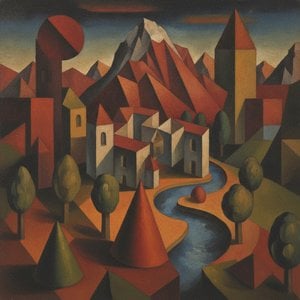
- City: Sugestívne obrazy starodávnych mestských krajín, odrážajúce jeho archeologický záujem.
- Lake of the Nagas: Temperová maľba spájajúca symboliku a prírodu, ktorá exemplifikuje jeho jedinečný umelecký prístup.
Roerichovo dielo sa aj naďalej rezonuje v súčasnosti. V ére kultúrnych konfliktov a environmentálnych obáv je jeho obhajoba ochrany relevantnejšia ako kedykoľvek predtým. Jeho umenie nás vyzýva, aby sme zamysleli nad záhadami existencie, mocou spirituality a dôležitosťou ochrany našej spoločnej ľudskej dedičiny. Zostavil dielo, ktoré nie je len vizuálne pôsobivé, ale aj hlboko zmyslené, ponúka univerzálnu správu mieru, porozumenia a rešpektu voči všetkým kultúram.



 Zobraziť v interiéri
 Objednať ručne maľovanú reprodukciu
 Odoslať
 Zdieľať
 Podrobnosti
 Príručkovo

 Stiahnuť
 Podobné položky
 RTG skúška
 Prehliadanie diapo\]
 Štatistiky

 Prečítať si viac






































 Možnosť skla je dostupná len pri rozmeroch pod 110 cm