


Umelecké dielo zobrazené na tejto stránke je chránené autorským zákonom, čo znamená, že nemôžeme legálne vytvárať ani predávať jeho identickú reprodukciu. Táto ochrana je vymáhaná na základe medzinárodných dohôd, ako napríklad Bernská konvencia a národnými zákonmi, vrátane tých, ktoré sú stanovené v Autorské právo USA – Title 17. Všetky práva vyhradené.
Táto metóda plne dodržiava autorské práva, pretože nezahŕňa kopírovanie ani duplikovanie chráneného diela. Ide skôr o kreatívnu reinterpretáciu – nový obraz, ktorý je ovplybnený originálom, no nie je s ním identický.
Giclée tlač alebo plátno múzeálnej kvality s rýchlou výrobou a rôznymi možnosťami povrchovej úpravy. ( Kúpiť ručne maľovaný obraz Prepnúť na digitálny obraz)





























Vyberte si z našich preddefinovaných rozmerov, ktoré zodpovedajú pôvodným pomeroḿ diela.

Zadajte šírku a výšku, ktoré potrebujete, aby sa reprodukcia hodila k vášmu rámu alebo stene. Print možno len orezávať, nikdy však nemennú veľkosť zvětšiť oproti pôvodnému obrázku, preto pri inom formáte stráca časť obrazu. Pred samotným vytlačiacím procesom vám pošleme digitálny náhľad na schválenie. Obrázok zobrazený na tejto stránke nezobrazuje reálny rez — len digitálny náhľad ukazuje presný výsledok.
Celosvetová doprava () do 2 týždňov namiesto štandardných 4 až 5 týždňov. (9 november)
The Donne Triptych
Veľkosť reprodukcie
To stand before this magnificent triptych is to step directly into the richly colored, deeply contemplative world of the late 15th century. Hans Memling, the celebrated Bruges Master, has gifted us a composition that transcends mere depiction; it offers an intimate narrative tapestry woven from human interaction and spiritual yearning. The piece immediately draws the eye across its three distinct panels, each vignette presenting a moment suspended in time—a tableau vivant of devotion, scholarship, and communal life. One senses the hushed reverence of the setting, a place where earthly concerns mingle seamlessly with profound spiritual contemplation.
Memling’s technical brilliance is breathtakingly apparent upon close inspection. His handling of oil paint allows for an almost hyper-realistic rendering of textures—the heavy folds of the red garments, the subtle sheen on polished wood, and the delicate quality of skin tones speak to a mastery that only decades of dedicated practice could achieve. The composition itself, spanning three interconnected scenes, demonstrates a sophisticated understanding of pictorial space. Notice how the figures are arranged not just for visual balance, but to guide the viewer's eye through a narrative progression. This meticulous attention to detail is characteristic of the Early Netherlandish school, where every stray thread and every cast shadow contributes to the overall illusion of life.
The subject matter hints at deep theological currents. In one panel, the grouping of figures suggests discourse or perhaps a gathering for instruction, while another captures the quiet intimacy of reading—the book itself often serving as a potent symbol of divine wisdom or learned scripture. The kneeling figures in the third scene evoke postures of prayer and humility before something unseen, drawing the viewer into a shared moment of piety. These are not just people; they are archetypes engaged in acts that speak to the enduring human quest for meaning. For the collector or designer, this depth means the artwork offers conversation pieces far beyond mere decoration.
Dating from 1475, The Donne Triptych anchors us firmly in a period of profound cultural transition—a time when the burgeoning merchant class supported art that was both exquisitely beautiful and deeply meaningful. Memling managed to synthesize the intense spirituality of the Gothic tradition with an emerging naturalism. Owning or reproducing this work brings home not just a painting, but a tangible piece of Northern European artistic history. It possesses a vintage gravity, lending any room it graces an air of established, cultured elegance.
Whether adorning a formal study, a chapel-like drawing-room, or serving as the focal point in a gallery setting, this triptych promises to elevate the atmosphere. The rich palette and narrative complexity ensure that it remains captivating whether viewed from across the room or examined up close. It is an investment in enduring beauty—a piece that invites contemplation, rewards study, and whispers tales of faith and artistry across the centuries.
„The Donne Triptych“ je WallArt dielo.
Dielo „The Donne Triptych“ vytvoril/a Hans Memling v štýle Early Netherlandish Painting. Umenec a smer definujú tradíciu tohto diela.
Stránka RTG skenovanie diela „The Donne Triptych“ od Hans Memling predstavuje interaktívny prehliadač, ktorý vám umožňuje prechádzať jedenástimi optickými vrstvami obrazu, vrátane pohľadu v štýle RTG snímky.


Nemecko

Discover the profound allure of oil on canvas. Explore the mastery of impasto textures, the science of pigment longevity, and expert guides to selecting museum-quality reproductions that elevate your collection with timeless elegance and tactile depth.

Delve into the luminous revolution of Early Netherlandish painting. Unveil how Jan van Eyck and Flemish masters pioneered oil techniques to achieve unparalleled depth, sacred symbolism, and breathtaking realism, forever shaping the legacy of Western art history.
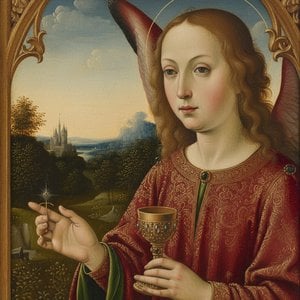
Embark on a journey through the luminous world of Early Netherlandish art. Discover the revolutionary oil techniques, microscopic realism, and sacred symbolism used by masters like Jan van Eyck to redefine Western art history in this expert-led guide.
 Náhľad v interiéri
 Odoslať ako digitálnu kartu
 Zdieľať
 Podrobnosti o dielo
 Príručka

 Stiahnuť obraz
 Podobné položky
 RTG skúška
 Prehliadanie diapozoje
 Otázky a odpovede
 Štatistiky


 Zobraziť viac









 Možnosť skla je dostupná len pri rozmeroch pod 110 cm


