Umelecké dielo zobrazené na tejto stránke je chránené autorským zákonom, čo znamená, že nemôžeme legálne vytvárať ani predávať jeho identickú reprodukciu. Táto ochrana je vymáhaná na základe medzinárodných dohôd, ako napríklad Bernská konvencia a národnými zákonmi, vrátane tých, ktoré sú stanovené v Autorské právo USA – Title 17. Všetky práva vyhradené.
Táto metóda plne dodržiava autorské práva, pretože nezahŕňa kopírovanie ani duplikovanie chráneného diela. Ide skôr o kreatívnu reinterpretáciu – nový obraz, ktorý je ovplybnený originálom, no nie je s ním identický.
Giclée tlač alebo plátno múzeálnej kvality s rýchlou výrobou a rôznymi možnosťami povrchovej úpravy. ( Kúpiť ručne maľovaný obraz Prepnúť na digitálny obraz)





























Vyberte si z našich preddefinovaných rozmerov, ktoré zodpovedajú pôvodným pomeroḿ diela.

Zadajte šírku a výšku, ktoré potrebujete, aby sa reprodukcia hodila k vášmu rámu alebo stene. Print možno len orezávať, nikdy však nemennú veľkosť zvětšiť oproti pôvodnému obrázku, preto pri inom formáte stráca časť obrazu. Pred samotným vytlačiacím procesom vám pošleme digitálny náhľad na schválenie. Obrázok zobrazený na tejto stránke nezobrazuje reálny rez — len digitálny náhľad ukazuje presný výsledok.
Celosvetová doprava () do 2 týždňov namiesto štandardných 4 až 5 týždňov. (9 november)
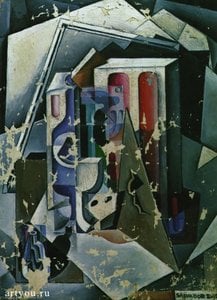
untitled (3054)
Veľkosť reprodukcie
Max Ernst’s “Untitled (3054)” presents a disconcerting yet undeniably captivating tableau – a crimson object imbued with a human-like face, adrift within a carefully constructed landscape of modern anxieties. Painted by the German surrealist master in an unknown date, this work immediately draws the viewer into a realm where familiar objects are rendered alien and unsettling, reflecting Ernst’s lifelong fascination with the subconscious and his rejection of rationalism.
Max Ernst’s artistic trajectory was profoundly shaped by his intellectual pursuits and his engagement with the burgeoning surrealist movement. Born in Brühl, Germany, in 1891, Ernst initially studied philosophy, art history, literature, psychology, and psychiatry at the University of Bonn – a curriculum that fueled his exploration of dreams, myths, and the irrational. This academic grounding is evident in “Untitled (3054),” where recognizable objects are juxtaposed to create a deliberately illogical scene, echoing the techniques pioneered by André Breton and other surrealist thinkers.
Ernst’s methods were as innovative as his subject matter. He employed techniques such as frottage (rubbing textures onto paper) and decalcomania (spreading paint on a surface and then lifting it to create random patterns), allowing chance and the subconscious to guide his creative process. These approaches, combined with his intellectual rigor, resulted in works that are both meticulously crafted and profoundly unsettling.
The inclusion of cell phones within this painting is particularly significant when viewed through the lens of Ernst’s era. Created before the ubiquity of mobile technology, they represent a nascent intrusion of the external world into the private sphere – a theme that would become increasingly relevant in subsequent decades. The book, often associated with wisdom and enlightenment, here appears almost burdened by its own weight, suggesting the potential for knowledge to be overwhelming or misleading.
"Untitled (3054)" is more than just a surrealist image; it's a meditation on the human condition, exploring themes of identity, communication, and the anxieties inherent in modern life. Max Ernst’s ability to tap into these universal concerns through his unique artistic vision ensures that this work continues to resonate with viewers today. A hand-painted reproduction offers an unparalleled opportunity to experience the full impact of this enigmatic masterpiece – a testament to Ernst's enduring legacy as one of the 20th century’s most influential artists.
Pre dielo „untitled (3054)“ je možné si zakúpiť digitálnu verziu: na stránke Stiahnuť digitálnu verziu pre toto dielo si môžete stiahnutie digitálneho obrázka vo vysokom rozlíšení.
„untitled (3054)“ od Max Ernst vyžaruje Mysterious emocionálny tón.
Medzi opakujúce sa témy umelca Max Ernst patrí surrealism, psychological exploration, disillusionment, societal critique, max ernst’s thematic range, symbolic object assemblage, fragmented reality reflection; dielo „untitled (3054)“ sa zameriava na red object, surreal face, cell phone, max ernst, symbolic imagery, object collage, dreamlike scene.


1891 - 1976 , Nemecko

Explore the profound depths of Surrealism. Discover how masters like Dalí and Ernst unlocked the subconscious through dreamlike imagery, and learn to integrate these evocative, museum-quality masterpieces into your private collection with expert art historical insight.

Embark on a journey through the subconscious with our expert guide to Surrealism. Discover the profound symbolism of masters like Dalí and Ernst, exploring how dreamlike imagery reshaped art history and continues to inspire collectors and enthusiasts worldwide.

Master the nuances of Giclée printing with our expert guide. Discover how pigment-based inks and museum-grade substrates create fade-resistant, high-fidelity art reproductions designed for discerning collectors seeking unparalleled quality and longevity.

Embark on a sophisticated journey through the surrealist movement. Discover how masters like Dalí and Ernst blurred the lines between dreams and reality through innovative techniques, exploring the profound impact of the subconscious on fine art history with expert authority.
 Náhľad v interiéri
 Odoslať ako digitálnu kartu
 Zdieľať
 Podrobnosti o dielo
 Príručka

 Stiahnuť obraz
 Podobné položky
 RTG skúška
 Prehliadanie diapozoje
 Otázky a odpovede
 Štatistiky
 Zobraziť viac









 Možnosť skla je dostupná len pri rozmeroch pod 110 cm