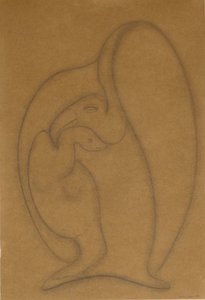
Biografia umelca
A Life Immersed in the Surreal
Max Ernst, narodený Maximilian Maria Ernst dňa 1. apríla 1891 v Brühl, Nemecko, bol duševne plný a neústupný umelec, ktorého život bol sprevádzaný hlbokou zmenením a inovatívnymi prínosmi k umeniu 20. storočia. Jeho cesta bola odlišná od tradičných umeleckých vzdelaní; predstavovala sebaurčenúšku, poháňanú filozofickými úvahamiami, psychologickým záujmom a hlbokým znechutením zo spoločenských konvencií. Jeho otec, učiteľ nepočuliakov a amatérsky maľiar, mu vložil citlivosť k svetu a rebélie proti usadeným autoritám – toto prvé spriadžovanie sa stalo základom jeho umeleckej vize.
Ernstovo štúdium na Univerzite v Bonne – zahŕňajúce filozofiu, umenie dejiny, literatúru, psychológiu a psychiatriu – neboli len vedľajšími záujmami, ale hlboko zakorenenými elementmi, ktoré formovali jeho neskoré diela. Nebol len zvedavý na to, *ako* maľovať; skúmal *prečo*. Táto intelektuálna zvídavosť ho priviedla k stretnutiu s revolučnými prácami Picassa, Van Gogha a Gauguina na výstavke Sonderbund v Kolíne roku 1912 – okamih, ktorý neodľahčne zmenil jeho umeleckú trajektóriu. Semená modernizmu boli zasadené.
Dadaizmus a Narodenie Surrealistických Vize
Prvá svetová vojna sa stala pre Ernsta významným bodom zlomu. Jeho skúsenosti ako vojaka na východnom a západnom fronte ho hlboko zasiahli, čo viedlo k skeptickému pohľadu na usadené poriadky a túžbe po nových formách vyjadrenia. Toto znechutenie našlo útočisko v burzujúcom Dadaizme, ktorý prijal s nadšením po návrate do Kolína v roku 1918. Spolu s Hansom Arpom – dlhoročným priateľom a spolupracovníkom – sa Ernst stal kľúčovou figúrou kolínskej Dada skupiny, odmietajúc tradičné umelecké konvencie a prijímajúc absurditu, náhodu a protiracionálnosť.
Dada však predstavoval len prechodný štág. V začiatkoch 20. rokov sa Ernst presťahoval do Paríža a pripoil sa k
Pionierske Techniky: Frotáž, Grattáž a Koláž
Ernst bol neustály experimentátor s technikami. Nevyužíval len existujúce metódy – vynájal nové. Možno jeho najznámejšou prínosom je frotáž, proces potierania ceruzky alebo grafitu na textúrované povrchy za účelom vytvorenia neočakávaných a evokujúcich obrazov. Táto technika, ktorá vznikla z momentu nudy pri pozorovaní drevenej struktúry, umožnila Ernstu oslobodiť podvedomie a generovať formy, ktoré sa odporúčali navedenie. Blízko k tomu je grattáž, kde farba je škrabaná po plátne, aby sa odhalili podkladové vrstvy.
Využíval aj koláž, zloženie rôznych prvkov – obrázkov z časopisov, vedeckých ilustrácií, fotografií – do surrealistických kompozícií, ktoré vyzývali tradičné chápanie reprezentácie. Tieto techniky neboli len štýlové volby; boli integraľnou súčasťou jeho skúmania podvedomia a túžby po narušení umeleckých hraníc. Jeho maľby často obsahujú opakovacie symbolické obrazy: vtáky (ponožovateľ Loplop), pusté krajiny, znepokojivé juxtaposície a všadeprítomný pocit záhady.
Vplyvy a Inšpirácie
Ernst bol ovplyvnený mnohými umelcami a myšlienkami. Picassoho kubistické experimenty, Van Gogha expresívne farby a Gauguina exotické krajiny všetko formovali jeho vnímanie sveta. Okrem toho ho fascinovala psychoanalytická práca Sigmunda Freuda, ktorá ho priviedla k preskúmaniu podvedomia a snových spánkov.
Dielo a Dielo
Ernst vytvoril rozsiahlu zbierku diel, ktoré odrážajú jeho experimentálny duch a hlboké záujmy o ľudskú psychiku. Jeho diela sú známe svojou surrealistickou atmosférou, nejasnými obrazmi a využívaním neočakávaných kombinácií farieb a textúr. Medzi jeho najznámejšie diela patria "The Entire City", "Euclides", "Of This Men Shall Know Nothing" a "Forest and Dove".
Ernst bol tiež významným grafickým umelcom, ktorý experimentoval s rôznymi technikami tlače, vrátane litografie, gravúry a serigrafie. Jeho grafické diela často obsahujú podobné surrealistické motívy ako jeho maľby, pričom sa zameriava na tematické témy, ako je identita, pamäť a čas.
Historický Význam a Dedikácia
Počas druhej svetovej vojny bol Ernst nútený opustiť Európu a našiel útočisko v Spojených štátoch. Pokračoval vo výrobe umenia a experimentovaní s novými technikami počas svojho vyhnanstva, nakoniec sa vrátil do Francúzska po druhej svetovej vojne, kde zostal aktívny až do svojej smrti 1. apríla 1976 v Paríži. Jeho vplyv na neskoršie generácie umelcov je nepopriateľný.
Max Ernst bol skutočne revolučný umelec, ktorý preskúmal hranice kreativity a rozšíril chápanie umenia. Jeho diela sú dôkazom síl predstavivosti, priania iracionality a trvalého hľadania porozumenia komplexnosti ľudského psychického sveta.



 Zobraziť v interiéri
 Objednať ručne maľovanú reprodukciu
 Odoslať
 Zdieľať
 Podrobnosti
 Príručkovo

 Stiahnuť
 Podobné položky
 RTG skúška
 Prehliadanie diapo\]
 Štatistiky

 Prečítať si viac






































 Možnosť skla je dostupná len pri rozmeroch pod 110 cm