

Umelecké dielo zobrazené na tejto stránke je chránené autorským zákonom, čo znamená, že nemôžeme legálne vytvárať ani predávať jeho identickú reprodukciu. Táto ochrana je vymáhaná na základe medzinárodných dohôd, ako napríklad Bernská konvencia a národnými zákonmi, vrátane tých, ktoré sú stanovené v Autorské právo USA – Title 17. Všetky práva vyhradené.
Táto metóda plne dodržiava autorské práva, pretože nezahŕňa kopírovanie ani duplikovanie chráneného diela. Ide skôr o kreatívnu reinterpretáciu – nový obraz, ktorý je ovplybnený originálom, no nie je s ním identický.
Giclée tlač alebo plátno múzeálnej kvality s rýchlou výrobou a rôznymi možnosťami povrchovej úpravy. ( Kúpiť ručne maľovaný obraz Prepnúť na digitálny obraz)





























Vyberte si z našich preddefinovaných rozmerov, ktoré zodpovedajú pôvodným pomeroḿ diela.

Zadajte šírku a výšku, ktoré potrebujete, aby sa reprodukcia hodila k vášmu rámu alebo stene. Print možno len orezávať, nikdy však nemennú veľkosť zvětšiť oproti pôvodnému obrázku, preto pri inom formáte stráca časť obrazu. Pred samotným vytlačiacím procesom vám pošleme digitálny náhľad na schválenie. Obrázok zobrazený na tejto stránke nezobrazuje reálny rez — len digitálny náhľad ukazuje presný výsledok.
Celosvetová doprava () do 2 týždňov namiesto štandardných 4 až 5 týždňov. (9 november)
Landscape 1
Veľkosť reprodukcie
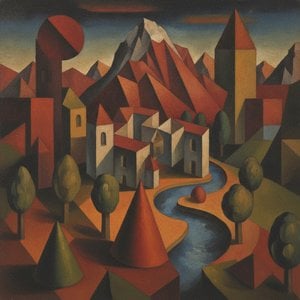
Max Ernst’s “Landscape,” painted in 1957, isn't merely a depiction of a rural scene; it’s an embodiment of the core tenets of Surrealist art – a deliberate disruption of rational thought and a fascination with the subconscious mind. This striking piece showcases Ernst’s signature blend of Cubism and Dada influences, resulting in an image that feels both meticulously crafted and profoundly unsettling.
Beyond its visual appeal lies a rich tapestry of symbolic references. Ernst’s use of geometric shapes—particularly angular rocks and abstracted tree trunks—reflects the Surrealists' preoccupation with dismantling traditional representations. These forms aren’t meant to mirror reality but rather to evoke psychological states, mirroring the fragmented perceptions inherent in dreams.
Painted during the height of Surrealism’s influence—a movement born from disillusionment with postwar Europe— “Landscape” speaks to a broader philosophical concern: the exploration of irrationality and the confrontation with anxieties surrounding societal change. Ernst, deeply impacted by Freud’s psychoanalytic theories, sought to liberate art from the constraints of logic, prioritizing intuition and dreamlike imagery.
"Landscape" transcends its formal elements to convey a profound sense of solitude and wonder. It captures the quiet contemplation of someone encountering something extraordinary—a hidden beauty or an unspoken truth—within the seemingly mundane expanse of nature. Ernst’s enduring contribution to art history lies in his unwavering commitment to artistic experimentation and his courageous exploration of the human psyche, cementing “Landscape” as a cornerstone of Surrealist aesthetics.
„Landscape 1“ od Max Ernst je klasifikovaný ako Recognized a patrí do smeru Surrealist Landscape.
Pre dielo „Landscape 1“ je k dispozícii stránka Štatistiky. Zobrazuje mesačnú návštevnosť tohto diela a ďalších prác daného umelca s rozdelením podľa krajín a jazykov.
Dominantnou farbou diela „Landscape 1“ od Max Ernst je Putty (#d0d1a8).


1891 - 1976 , Nemecko
Explore the profound evolution of Cubist landscapes. Discover how masters like Braque and Picasso redefined perspective through geometric mastery, transforming nature into an intellectual mosaic of form and light for the discerning modern art collector.
 Náhľad v interiéri
 Odoslať ako digitálnu kartu
 Zdieľať
 Podrobnosti o dielo
 Príručka

 Stiahnuť obraz
 Podobné položky
 RTG skúška
 Prehliadanie diapozoje
 Otázky a odpovede
 Štatistiky
 Zobraziť viac









 Možnosť skla je dostupná len pri rozmeroch pod 110 cm


