

Umelecké dielo zobrazené na tejto stránke je chránené autorským zákonom, čo znamená, že nemôžeme legálne vytvárať ani predávať jeho identickú reprodukciu. Táto ochrana je vymáhaná na základe medzinárodných dohôd, ako napríklad Bernská konvencia a národnými zákonmi, vrátane tých, ktoré sú stanovené v Autorské právo USA – Title 17. Všetky práva vyhradené.
Táto metóda plne dodržiava autorské práva, pretože nezahŕňa kopírovanie ani duplikovanie chráneného diela. Ide skôr o kreatívnu reinterpretáciu – nový obraz, ktorý je ovplybnený originálom, no nie je s ním identický.
Giclée tlač alebo plátno múzeálnej kvality s rýchlou výrobou a rôznymi možnosťami povrchovej úpravy. ( Kúpiť ručne maľovaný obraz Prepnúť na digitálny obraz)





























Vyberte si z našich preddefinovaných rozmerov, ktoré zodpovedajú pôvodným pomeroḿ diela.

Zadajte šírku a výšku, ktoré potrebujete, aby sa reprodukcia hodila k vášmu rámu alebo stene. Print možno len orezávať, nikdy však nemennú veľkosť zvětšiť oproti pôvodnému obrázku, preto pri inom formáte stráca časť obrazu. Pred samotným vytlačiacím procesom vám pošleme digitálny náhľad na schválenie. Obrázok zobrazený na tejto stránke nezobrazuje reálny rez — len digitálny náhľad ukazuje presný výsledok.
Celosvetová doprava () do 2 týždňov namiesto štandardných 4 až 5 týždňov. (7 november)
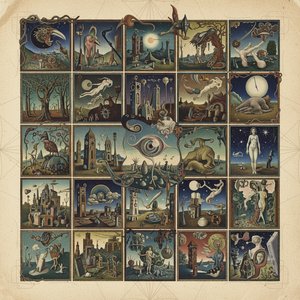
Compendio di storia universale
Veľkosť reprodukcie
Max Ernst’s “Compendio di storia universale” presents an arresting visual paradox – a monumental canvas dominated by a seemingly simple red background, yet teeming with layers of complex meaning and unsettling psychological depth. This large-scale work, dating from the artist's prolific output, immediately confronts the viewer with a fragmented face, constructed not through traditional representational techniques but through a deliberate collage of shapes, colors, and subtly layered imagery. It’s a piece that demands prolonged observation, rewarding the patient eye with an increasingly intricate tapestry of anxieties and reflections on the nature of history itself.
Understanding “Compendio di storia universale” requires acknowledging Max Ernst’s unique intellectual background. Born in 1891 in Brühl, Germany, Ernst was a voracious reader and student of philosophy, art history, psychology, and psychiatry – disciplines he pursued with an almost obsessive intensity at the University of Bonn. This interdisciplinary approach profoundly shaped his artistic vision, leading him to reject representational realism in favor of exploring the subconscious mind and challenging established notions of truth and perception. His work is less about depicting a specific reality than it is about excavating hidden anxieties and confronting the viewer with uncomfortable questions about human existence.
The red background itself is laden with symbolic weight. Red has long been associated with passion, violence, and primal instincts – emotions that Ernst frequently explored in his work. The distorted face evokes a sense of unease and vulnerability, suggesting the fragility of human identity in the face of overwhelming historical forces. The inclusion of multiple faces within the background creates a feeling of claustrophobia and suggests the burden of collective memory. “Compendio di storia universale” is not a comfortable image; it’s a powerful and unsettling meditation on the complexities of human experience, inviting viewers to confront their own anxieties about the past and the future.
V diele „Compendio di storia universale“ sa Gentle kontrast spája s Unified Palette harmóniou.
Max Ernst je známy aj pod menom Maximilián Maria Ernst.
Celé dielo „Compendio di storia universale“ od Max Ernst prechádza Warm Sunset Tones odtieňom.


1891 - 1976 , Nemecko

Ponorte sa do sveta Marka Rothka s WahooArt.com! Objavte top 25 diel abstraktného expresionizmu, farebných plôch a hlbokých emócií. Kúpiť reprodukcie obrazov online a inšpirujte sa pre luxusný interiérový dizajn. Preskúmajte celú kolekciu na WahooArt.com

Ponorte sa do sveta abstraktného expresionizmu s Pollockom, Rothkom a ďalšími majstrami. Objavte príbehy za 10 ikonických diel, techniky a farby, ktoré definovali toto revolučné umenie. Kvalitné reprodukcie na WahooArt.com.

Ponorte sa do sveta geometrickej abstrakcie! Objavte 10 majstrovských diel od Mondriana, Kandinského a ďalších. História umenia, techniky a farebné kompozície na WahooArt.com – reprodukcie obrazov pre váš domov.
Ponorte sa do sveta Maxa Ernsta! Objavte top 25 diel surrealistického majstra – od Frottage po snové krajiny. Kúpiť reprodukcie obrazov online na WahooArt.com a doprajte si luxusný dekor do interiéru.

Ponorte sa do sveta Wassilyho Kandinského s WahooArt.com! Objavte top 25 diel abstraktného umenia, expresionizmu a farebných kompozícií. Kúpiť reprodukcie obrazov pre dokonalý dizajn interiéru. Explore the full collection online.
 Náhľad v interiéri
 Odoslať ako digitálnu kartu
 Zdieľať
 Podrobnosti o dielo
 Príručka

 Stiahnuť obraz
 Podobné položky
 RTG skúška
 Prehliadanie diapozoje
 Otázky a odpovede
 Štatistiky

 Zobraziť viac









 Možnosť skla je dostupná len pri rozmeroch pod 110 cm


