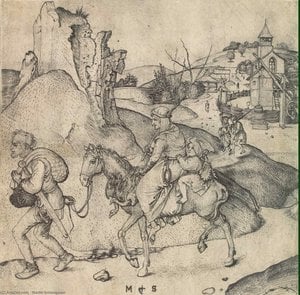
Martin Schongauer: Život a odkaz
Raný život a vzdelanie
Martin Schongauer, narodený okolo roku 1450 v Colmare v Alsasku (dnes Francúzsko), predstavoval kľúčovú postavy v rozvoji grafikárskej tvorby počas éry severnej renesancie. Pochádal z umeleckej rodiny; jeho otec, Caspar Schongauer, bol zlatník, ktorý sa okolo roku 1440 presťahoval do Colmaru z Augsburgu v Nemecku. Toto rodinné prostredie zásadne ovplyvnilo Martinovo skoré umelecké vzdelávanie, keďže zlatníctvo mu poskytlo pevné základy v precíznom detailu a technikách práce s kovom – schopnosti, ktoré boli priamo prenosné do náročnej oblasti rezobruku.
Vzdelanie a umelecký rozvoj
V roku 1465 Schongauer krátkodobo študoval na Univerzite v Lipsku, no akademické ambície čoskoro opustil, aby sa úplne zasvätil umeniu. Svoju cestu ako maliar začal pod vedením Caspara Isenmanna, miestneho majstra ovplyvneného ranáneterandským maliarstvom, a najmä dielom Rogiera van der Weydena. Táto skorá blízkosť s neterandským realizmom a neustála pozornosť venovaná každému detailu sa neskôr stali neoddeliteľnými znakmi Schongauerovho vlastného štýlu.
Umelecký štýl a vplyvy
Schongauerov umelecký štýl je charakteristický jasnou, organizovanou gotickou estetikou, ktorá sa preplieta s čerpanými vplyvmi rodiacej sa severnej renesancie. Výrazne mu chýbal priamy taliansky vplyv; namiesto toho čerpal inšpiráciu z nemeckých a ranáneterandských tradícií. Jeho diela vynikajú precíznym detailom, expresívnymi postavami a sofistikovaným pochopením kompozície.
- Kľúčové charakteristiky: Presné rezobruky, realistické zobrazenia, dramatické príbehy, gotická štruktúra
- Vplyvy: Rogier van der Weyden, Caspar Isenmann, nemecké gotické tradície
Najvýznamnejšie úspechy a diela
Schongauer je najznámejší svojich 116 rezobrukov, z ktorých každý je označený jeho monogramom. Tieto grafické listy sa rozšírili po celej Európe a zásadne ovplyvnili vývoj technik grafikárstva aj umeleckých štýlov. Jeho gravíry často zobrazovali náboženské scény, portréty a alegorické témy.
- Madonna v ružovom háji (1473): Významný obraz, ktorý demonštruje jeho schopnosť zachytiť jemné detaily a emocionálnu hĺbku.
- Rezobruky: Zahŕňajú napríklad Pokusenie sv. Antona, Navštívenie pastierov a mnohé ďalšie, ktoré dokazujú jeho majstrovstvo v technike rezobruku.
Historický význam a odkaz
Schongauerov dopad na svet umenia bol nesmierny. Bol jedným z prvých nemeckých umelcov, ktorý dosiahol medzinárodné uznanie ako grafik. Jeho grafické listy boli vysoko vyhľadávané a masívne kopírované, čím sa jeho umelecký štýl šíril po celej Európe. Dokonca je zdokumentované, že samotný Michelangelo študoval a kopíroval jeden zo Schongauerových rezobrukov – Súd svätého Antona – čo svedčí o vysokej váhe, ktorou Schongauera vnímali neskorší veľk大师.
Schongauerova tvorba prepojila éru gotického umenia s renesanciou a pripravila cestu pre umelcov ako Albrecht Dürer. Jeho inovatívne využitie technik rezobruku a oddanosť umeleckému detailu zanechali trvajúci odkaz v histórii grafiky a severoeurópskeho umenia.
Smrť
Martin Schongauer zomrel v Breisach 2. februára 1491, pričom za sebou zanechal mimoriadne bohaté umelecké dielo, ktoré je dodnes oslavované pre svoju umeleckú hodnotu a historický význam.



 Zobraziť v interiéri
 Objednať ručne maľovanú reprodukciu
 Odoslať
 Zdieľať
 Podrobnosti
 Príručkovo

 Stiahnuť
 Podobné položky
 RTG skúška
 Prehliadanie diapo\]
 Štatistiky


 Prečítať si viac






































 Možnosť skla je dostupná len pri rozmeroch pod 110 cm