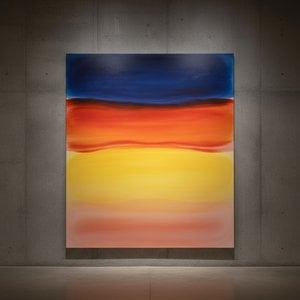
Biografia umelca
Early Life and the Seeds of Artistic Vision
Mark Rothko, narodil sa Markus Yakovlevich Rothkowitz v Dvinskú, Lotyšsku, roku 1903, a od začiatku niesol v sebe pocit vytrvalého preniesenia, ktorý zásadne ovplyvňoval jeho umelecké cestovanie. Jeho rané roky boli poznačené úzkosťami židovského rodinného života v Pale Siedliska, vyostrenými pogrommi a politickou nestabilitou. Táto atmosféra vybudovala hlbokú citlivosť na ľudské utrpenie – tému, ktorá sa odrazila v jeho dielach – a ktorá bude pokračovať až do konca jeho života. Rok 1913 znamenal emigráciu rodiny Rothkowitzovcov do Portlandu, Oregonsku, čo neznamenalo len geografické posunutie, ale kultúrnu revolúciu pre mladého Marka. Jeho otec, lekár a intelektuál s socialistačným sklonom, vytvoril dom plný diskusií a učenia – no strata Jakuba Rothkowitzovca krátko po ich prijatí priniesla dlhý tieň. Tento skorší zážitok zúženia, doplnený výzvami assimilácie, poháňal životné cestovanie za umeleckým vyjadrením – ktoré nakoniec vyzývalo konvenčné chápanie maľby a znovu získavalo emocionálnu silu farieb. Yale Univerzitná skúška ho však viac priťahovala živú energiu New Yorku, kde opustil formálne štúdium a venoval sa svojej vášni za umenie na Art Students League. Tieto výchovne roky položili základy umeleckej vizií, ktorá nakoniec vyhodnotila konvenčné chápanie maľby a znovu získala emocionálnu silu farieb. Jeho prvý obraz „Untitled No. 1“ už naznačoval psychologické hlboké porozumenie – základné otázky existencie, smrti a túžby po zmysle v chaotickom svete.
From Figurative Beginnings to Abstract Expressionism
Rothko začal svoju tvorbu realisticky – zobrazoval mestské sceny a portréty s vysokou pozornosťou k detailu. Napriek tomu však tieto skoršie práce už naznačovali psychologické hlboké porozumenie – základné otázky existencie, smrti a túžby po zmysle v chaotickom svete. Jeho umelecká cesta začala ako pozorovateľ sveta okolo seba, čo ho naučilo pozorovať svet okolo seba s vysokou pozornosťou k detailu. V období druhej svetovej vojny Rothko výrazne prekonal svoj štýl – ovplyvnením Surrealizmu a mytológie sa odvrátil od reprezentácie obrazov a hľadal spôsob vyjadrenia univerzálnych ľudských emócií prostredníctvom symbolických tvarov. Tento čas bol poznačený vznikom mnohotvárnych obrazov – plátna obsadených ambivalentnými biomorfickými formami, ktoré vyzerali ako kombinácia figúry a abstrakcie. Nie sú tieto práce len experimentom s formou; sú hlboko pocitové odpovede na vojnové obavy a nejistoty. Už neskôr Rothko dosiahol svoj znakový štýl – veľké plochy farieb, ktoré zahŕňajú pozorovateľa do intenzívneho zážitku. Tento štýl bol zásadný rozvoj abstraktného expresionizmu a Rothka ustanovil za vedúceho predstaviteľa tejto revolučnej umeleckej oblasti. Jeho tvorba bola ovplyvnená svetovým dielom – najmä impresionistickou estetickou, ktorá ho naučila pozorovať svet okolo seba s vysokou pozornosťou k detailu.
The Color Field and the Pursuit of Transcendence
Rothkoho hlavný štýl sa vyvinul v období druhéj svetovej vojny – ovplyvnením Surrealizmu a mytológie sa odvrátil od reprezentácie obrazov a hľadal spôsob vyjadrenia univerzálnych ľudských emócií prostredníšťom symbolických tvarov. Tento čas bol poznačený vznikom mnohotvárnych obrazov – plátna obsadených ambivalentnými biomorfickými formami, ktoré vyzerali ako kombinácia figúry a abstrakcie. Nie sú tieto práce len experimentom s formou; sú hlboko pocitové odpovede na vojnové obavy a nejistoty. Jeho hlavným cieľom bolo vyjadriť univerzálne ľudské emócie – najmä smútok, úzkosť a strach – prostredníctvom jednoduchých geometrických tvarov. Tento štýl bol zásadný rozvoj abstraktného expresionizmu a Rothka ustanovil za vedúceho predstaviteľa tejto revolučnej umeleckej oblasti. Jeho tvorba bola ovplyvnená svetovým dielom – najmä impresionistickou estetickou, ktorá ho naučila pozorovať svet okolo seba s vysokou pozornosťou k detailu. Jeho hlavným cieľom bolo vyjadriť univerzálne ľudské emócie – najmä smútok, úzkosť a strach – prostredníctvom jednoduchých geometrických tvarov. Tento štýl bol zásadný rozvoj abstraktného expresionizmu a Rothka ustanovil za vedúceho predstaviteľa tejto revolučnej umeleckej oblasti. Jeho hlavným cieľom bolo vyjadriť univerzálne ľudské emócie – najmä smútok, úzkosť a strach – prostredníctvom jednoduchých geometrických tvarov. Tento štýl bol zásadný rozvoj abstraktného expresionizmu a Rothka ustanovil za vedúceho predstaviteľa tejto revolučnej umeleckej oblasti. Jeho hlavným cieľom bolo vyjadriť univerzálne ľudské emócie – najmä smútok, úzkosť a strach – prostredníctvom jednoduchých geometrických tvarov. Tento štýl bol zásadný rozvoj abstraktného expresionizmu a Rothka ustanovil za vedúceho predstaviteľa tejto revolučnej umeleckej oblasti. Jeho hlavným cieľom bolo vyjadriť univerzálne ľudské emócie – najmä smútok, úzkosť a strach – prostredníctvom jednoduchých geometrických tvarov. Tento štýl bol zásadný rozvoj abstraktného expresionizmu a Rothka ustanovil za vedúceho predstaviteľa tejto revolučnej umeleckej oblasti. Jeho hlavným cieľom bolo vyjadriť univerzálne ľudské emócie – najmä smútok, úzkosť a strach – prostredníctvom jednoduchých geometrických tvarov. Tento štýl bol zásadný rozvoj abstraktného expresionizmu a Rothka ustanovil za vedúceho predstaviteľa tejto revolučnej umeleckej oblasti. Jeho hlavným cieľom bolo vyjadriť univerzálne ľudské emócie – najmä smútok, úzkosť a strach – prostredníctvom jednoduchých geometrických tvarov. Tento štýl bol zásadný rozvoj abstraktného expresionizmu a Rothka ustanovil za vedúceho predstaviteľa tejto revolučnej umeleckej oblasti. Jeho hlavným cieľom bolo vyjadriť univerzálne ľudské emócie – najmä smútok, úzkosť a strach – prostredníctvom jednoduchých geometrických tvarov. Tento štýl bol zásadný rozvoj abstraktného expresionizmu a Rothka ustanovil za vedúceho predstaviteľa tejto revolučnej umeleckej oblasti. Jeho hlavným cieľom bolo vyjadriť univerzálne ľudské emócie – najmä smútok, úzkosť a strach – prostredníctvom jednoduchých geometrických tvarov. Tento štýl bol zásadný rozvoj abstraktného expresionizmu a Rothka ustanovil za vedúceho predstaviteľa tejto revolučnej umeleckej oblasti. Jeho hlavným cieľom bolo vyjadriť univerzálne ľudské emócie – najmä smútok, úzkosť a strach – prostredníctvom jednoduchých geometrických tvarov. Tento štýl bol zásadný rozvoj abstraktného expresionizmu a Rothka ustanovil za vedúceho predstaviteľa tejto revolučnej umeleckej oblasti. Jeho hlavným cieľom bolo vyjadriť univerzálne ľudské emócie – najmä smútok, úzkosť a strach – prostredníctvom jednoduchých geometrických tvarov. Tento štýl bol zásadný rozvoj abstraktného expresionizmu a Rothka ustanovil za vedúceho predstaviteľa tejto revolučnej umeleckej oblasti. Jeho hlavným cieľom bolo vyjadriť univerzálne ľudské emócie – najmä smútok



 Náhľad
 Prepnúť na tlač
 Odoslať
 Zdieľať
 Podrobnosti o dielo

 Stiahnuť
 Podobné diela
 RTG skúška
 Prezentácia
 Štatistiky
 Zobraziť viac






































 Možnosť skla je dostupná len pri rozmeroch pod 110 cm