

Umelecké dielo zobrazené na tejto stránke je chránené autorským zákonom, čo znamená, že nemôžeme legálne vytvárať ani predávať jeho identickú reprodukciu. Táto ochrana je vymáhaná na základe medzinárodných dohôd, ako napríklad Bernská konvencia a národnými zákonmi, vrátane tých, ktoré sú stanovené v Autorské právo USA – Title 17. Všetky práva vyhradené.
Táto metóda plne dodržiava autorské práva, pretože nezahŕňa kopírovanie ani duplikovanie chráneného diela. Ide skôr o kreatívnu reinterpretáciu – nový obraz, ktorý je ovplybnený originálom, no nie je s ním identický.
Giclée tlač alebo plátno múzeálnej kvality s rýchlou výrobou a rôznymi možnosťami povrchovej úpravy. ( Kúpiť ručne maľovaný obraz Prepnúť na digitálny obraz)





























Vyberte si z našich preddefinovaných rozmerov, ktoré zodpovedajú pôvodným pomeroḿ diela.

Zadajte šírku a výšku, ktoré potrebujete, aby sa reprodukcia hodila k vášmu rámu alebo stene. Print možno len orezávať, nikdy však nemennú veľkosť zvětšiť oproti pôvodnému obrázku, preto pri inom formáte stráca časť obrazu. Pred samotným vytlačiacím procesom vám pošleme digitálny náhľad na schválenie. Obrázok zobrazený na tejto stránke nezobrazuje reálny rez — len digitálny náhľad ukazuje presný výsledok.
Celosvetová doprava () do 2 týždňov namiesto štandardných 4 až 5 týždňov. (10 november)
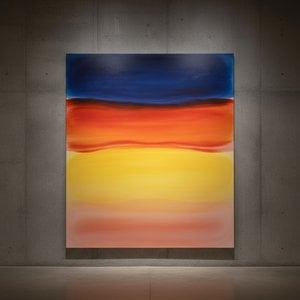
No.1 (Untitled)
Veľkosť reprodukcie
Mark Rothko's 1948 canvas, ‘No.1 (Untitled)’, is more than just a painting; it’s an immersion into the profound emotional landscape of one of 20th-century art’s most influential figures. This color field masterpiece, dominated by a luminous yellow expanse punctuated with deliberate blue accents and scattered red dots, immediately draws the viewer into a space of quiet contemplation. The sheer scale of the work – unknown but undoubtedly commanding – amplifies this effect, enveloping the observer in its chromatic depths.
Created in 1948, ‘No.1 (Untitled)’ emerged from a period of immense upheaval – the aftermath of World War II and the burgeoning anxieties of the Cold War. However, to fully appreciate Rothko’s work, it's essential to consider his personal history. Born Markus Yakovlevich Rothkowitz in Daugavpils, Latvia, in 1903, he carried within him a deep-seated sense of displacement stemming from his family’s experiences during the turbulent early 20th century. The pogroms and political unrest that plagued Eastern Europe instilled in him a profound sensitivity to human suffering – a theme that would become a recurring motif in his art. His immigration to Portland, Oregon, in 1913, marked not just a geographical shift but a cultural collision, further fueling his exploration of existential themes related to loss, trauma, and the search for meaning.
The deliberate use of color is paramount. The dominant yellow represents warmth, hope, and perhaps even a fragile optimism – qualities that Rothko often sought to convey despite his own struggles with depression. The strategically placed blue accents introduce an element of melancholy and introspection, acting as counterpoints to the yellow’s vibrancy. The black spots, seemingly random, are not accidental; they represent fragments of memory, moments of darkness, or perhaps even the scars of trauma – a visual echo of Rothko's own life experiences. The scattered red dots add another layer of complexity, suggesting fleeting emotions, sparks of passion, or the enduring presence of human connection amidst despair.
'No.1 (Untitled)' is not merely a decorative piece; it’s an invitation to engage in a deeply personal dialogue with art. Rothko's work possesses a remarkable ability to evoke powerful emotions – sorrow, hope, awe, and ultimately, a sense of shared humanity. A hand-painted reproduction of this artwork offers collectors the opportunity to bring this profound experience into their homes or offices, transforming spaces into contemplative sanctuaries. Its scale and color palette make it particularly well-suited for large rooms, acting as a focal point that commands attention and encourages quiet reflection. This piece is an investment not just in art, but in an enduring meditation on the human condition.
„No.1 (Untitled)“ je spojené s Reflective pocitom. Emocionálny tón opisuje dojem, ktorý toto dielo vyvoláva.
Odporúčaným použitím vytlačenej verzie diela „No.1 (Untitled)“ je Reflective.
„No.1 (Untitled)“ má celkovú jasnosť brilliant a jeho luminanciu predstavuje Bright Balance.

Objavte top 10 slávnych obrazov v odtieňoch sivomodrej! Preskúmajte príbehy Van Gogha, Moneta a ďalších majstrov. Reprodukcie obrazov pre váš domov s WahooArt – umenie online.

Explore the profound emotional depth of Color Field painting. Discover the history of mid-century abstraction, from Rothko to Newman, and learn how pure color transforms the viewer's experience through our expert art history guide.

Ponorte sa do sveta Marka Rothka s WahooArt.com! Objavte top 25 diel abstraktného expresionizmu, farebných plôch a hlbokých emócií. Kúpiť reprodukcie obrazov online a inšpirujte sa pre luxusný interiérový dizajn. Preskúmajte celú kolekciu na WahooArt.com
Explore the profound emotional depth of Mark Rothko's abstract expressionism. Discover the history, techniques & lasting impact of this pivotal Color Field painter. Expert insights for collectors and art enthusiasts.

Ponorte sa do sveta Wassilyho Kandinského s WahooArt.com! Objavte top 25 diel abstraktného umenia, expresionizmu a farebných kompozícií. Kúpiť reprodukcie obrazov pre dokonalý dizajn interiéru. Explore the full collection online.
 Náhľad v interiéri
 Odoslať ako digitálnu kartu
 Zdieľať
 Podrobnosti o dielo
 Príručka

 Stiahnuť obraz
 Podobné položky
 RTG skúška
 Prehliadanie diapozoje
 Otázky a odpovede
 Štatistiky

 Zobraziť viac









 Možnosť skla je dostupná len pri rozmeroch pod 110 cm


